
In modern laboratories, maintaining a sterile environment is paramount for ongoing research and clinical diagnostics. The challenge of effective biosafety in laboratories, particularly in BSL-2 and BSL-3 microbiology settings, is formidable. Traditional methods of sterilization, such as alcohol lamps and Bunsen burners, can pose significant risks, leading to contamination and hazardous flames. This is where innovative solutions such as the Micro Incinerator / Infrared Inoculating Loop Sterilizer come into play, enhancing sterilization workflows while ensuring safety and compliance.
The Science Behind the Micro Incinerator
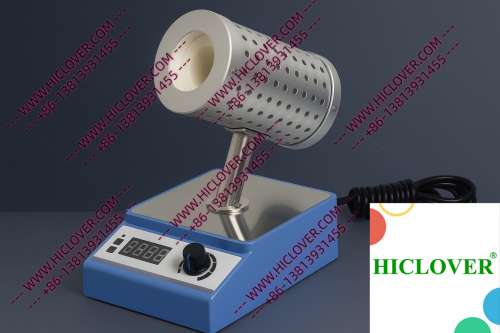
The Micro Incinerator operates on the principle of rapid thermal sterilization through infrared radiation. Unlike flames, it uses a high-temperature enclosed ceramic tube that heats target instruments to over 800 degrees Celsius in seconds, providing a swift and efficient means of achieving high-level disinfection. The sterilizer effectively eliminates biohazardous waste, including pathogens, without the need for chemicals, making it ideal for areas like clean rooms where open flames cannot be permitted.
The enclosed design of the Micro Incinerator minimizes risks of aerosol generation during sterilization, ensuring clean-bench-safe operation, which is crucial in preventing cross-contamination. Its compact size allows easy integration into any laboratory space, from university teaching labs to mobile or field testing laboratories.
Applications in Real Laboratories
Biosafety Cabinet Operations
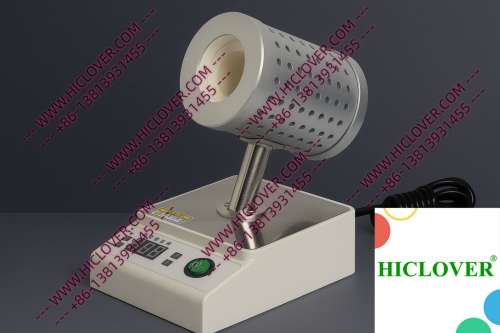
In a typical university laboratory equipped with a biosafety cabinet, researchers often need to sterilize inoculating loops and other instruments rapidly. The Micro Incinerator is seamlessly integrated into this environment, allowing researchers to maintain strict contamination control. With its portability and quick heating times, it enables users to focus on their scientific endeavors rather than worrying about sterilization delays.
Field Testing Scenarios
In mobile or field testing labs, where traditional sterilization tools may not be feasible or safe, the Micro Incinerator stands out as a reliable option. In remote locations dealing with potential contaminants, this device allows microbiologists to sterilize tools on-site, ensuring that no bacteria or viruses are transported back to the main laboratory. This practice is crucial in areas where quick turnaround and safe waste disposal are priorities, such as environmental health studies and emergency response situations.
Compliance and Environment: Meeting Laboratory Standards
Compliance with WHO biosafety guidelines and laboratory sterilization standards is vital for any research facility. The Micro Incinerator offers an efficient alternative that fulfills regulatory expectations, minimizing the risk of contamination from open flames. Regulations dictate the use of non-flame sterilization methods in clean rooms, and the Micro Incinerator’s advanced design addresses these compliance challenges head-on.
Moreover, in the context of waste management, the transformation of contaminated materials to ash reduces the volume of biohazardous waste requiring disposal, contributing to a more sustainable approach to laboratory operations. This not only aligns with eco-friendly practices but also cuts costs associated with waste disposal.
Advantages Over Traditional Flame Sterilizers
The Micro Incinerator delivers significant advantages when compared to traditional flame sterilizers such as Bunsen burners and alcohol lamps. Here are key benefits illustrated in the table below:
| Feature | Micro Incinerator | Flame Sterilizers |
|---|---|---|
| Heating Mechanism | Infrared heat via enclosed tube | Open flame |
| Safety | No risk of burns or fires; aerosol-free | Open flames can cause burns, risks of fire |
| Efficiency | Rapid thermal sterilization in seconds | Slower, requires constant monitoring |
| Compliance | Clean-bench-safe, complies with WHO guidelines | May violate clean room standards |
Frequently Asked Questions
- What is a Micro Incinerator?
The Micro Incinerator is a sterilization device that uses infrared heating to quickly and efficiently sterilize laboratory equipment without an open flame. - How does the Micro Incinerator comply with safety regulations?
It adheres to WHO biosafety standards, making it suitable for use in BSL-2 and BSL-3 laboratories where open flames are unsafe. - What are the specific benefits of using this technology over traditional flame methods?
The Micro Incinerator provides rapid disinfection, reduced risk of contamination, and a significant increase in safety for lab personnel. - Can the Micro Incinerator be used in teaching labs?
Yes, its user-friendly design makes it suitable for educational purposes, allowing students to learn sterilization techniques safely. - Is the Micro Incinerator portable for field use?
Absolutely! Its compact design is ideal for mobile applications and field testing scenarios.
Conclusion
The introduction of Micro Incinerators into the landscape of laboratory sterilization represents a monumental shift toward safer, more efficient practices in waste management. As the demands for contamination control and compliance with health standards continue to grow, investing in advanced technology like the Micro Incinerator / Infrared Inoculating Loop Sterilizer is not just beneficial—it’s essential. For those looking to improve their sterilization workflows while ensuring safety in their labs, please contact us for further information on acquisition options.
Categories:
Tags: