
In the rapidly evolving landscape of laboratory biosafety, medical facilities in Nairobi face persistent challenges in maintaining stringent sterilization protocols. With the increasing demand for reliable and effective laboratory sterilization equipment, healthcare providers must prioritize practices that enhance safety and efficiency. One notable solution is the Micro Incinerator, or Infrared Inoculating Loop Sterilizer, a revolutionary device that addresses various sterilization workflow demands, ensuring optimal cleanliness and operational reliability.
Understanding the Technical Principles of Loop Sterilizers
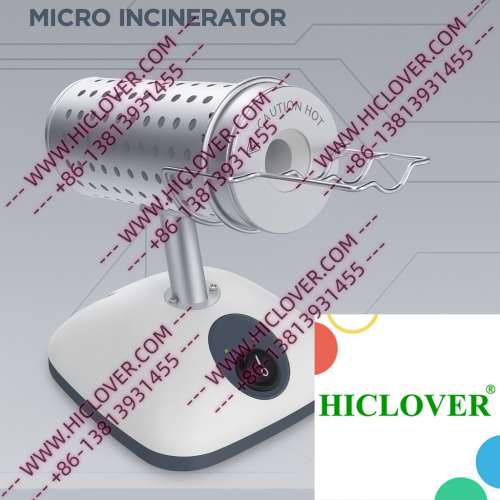
The Micro Incinerator operates on the principle of rapid thermal sterilization through infrared heat. Unlike traditional flame sterilizers, which can produce harmful fumes and consume substantial amounts of energy, this device provides a clean, efficient, and aerosol-free method of disinfection. The core of the Micro Incinerator features a ceramic heating chamber that reaches high temperatures of up to 800°C (1472°F) within seconds, ensuring immediate sterilization of inoculating loops and tools used for microbial handling.
Advantages Over Traditional Flame Sterilizers
Many laboratories have historically relied on alcohol lamps and Bunsen burners for microbiology procedures. However, these methods present various risks and inefficiencies, including:
- Increased risk of contamination due to open flames.
- Difficulty in maintaining sterile environments in clean rooms.
- Danger of burns and fire hazards for laboratory personnel.
- Limited sterilization efficiency, as flame temperature cannot be accurately controlled.
In contrast, the Micro Incinerator is designed to eliminate these risks, providing a clean-bench-safe solution for microbiologists working in BSL-2 and BSL-3 laboratories. Additionally, its compact design allows for easy portability, making it suitable for field testing and outreach programs across Nairobi.
Application Scenarios in Real Laboratories
The versatility of the Micro Incinerator allows it to fit seamlessly into various laboratory environments:
1. Field Testing in Remote Locations
In Nairobi, field testing often requires robust sterilization solutions that can function without a constant power supply. The Infrared Inoculating Loop Sterilizer can be powered by battery orplugging into a vehicle’s power system. This enables health workers to carry out microbial identification safely while minimizing contamination risks.
2. Teaching Labs in Universities
Academic institutions emphasize safe and efficient laboratory practices. By integrating the Micro Incinerator into teaching labs, students learn the importance of biosafety compliance while gaining hands-on experience with modern sterilization technologies. This practical knowledge is essential for future professionals in the medical and scientific fields.
Compliance and Environmental Considerations
Adhering to global biosafety standards is vital for all medical facilities. Organizations such as the World Health Organization (WHO) provide guidance on laboratory sterilization protocols. Compliance with such standards ensures that laboratories in Nairobi mitigate risks associated with contamination and infection control.
Furthermore, utilizing device variations that eliminate open flames not only supports safety regulations but also contributes to a cleaner laboratory environment. In a setting designed for high-performance, non-flame sterilizers are recognized as essential tools in cleanrooms, where any source of combustion can compromise ongoing experiments.
Comparison: Micro Incinerator vs. Traditional Flame Burners
| Feature | Micro Incinerator | Flame Burners |
|---|---|---|
| Safety | No open flame, reduced risk of burns | Open flame poses fire hazards |
| Efficiency | Rapid sterilization with infrared heat | Inefficacies due to temperature regulation |
| Maintenance | Low maintenance, easy to clean | Requires regular cleaning and checks |
| Operational Zones | Suitable for cleanrooms and field settings | Limited use due to open flame |
FAQs about Micro Incinerators
What types of materials can be sterilized with a Micro Incinerator?
The Micro Incinerator can effectively sterilize inoculating loops, needles, and other metal tools commonly used in microbiological practices.
How long does it take to achieve sterilization?
Typically, sterilization occurs within seconds of inserting the instrument into the ceramic heating chamber, with effective results achievable in less than 10 seconds.
Is a Micro Incinerator portable for field testing?
Yes, the compact design allows for easy transport, and it can be powered using a battery or vehicle power source.
What safety features are included?
The Micro Incinerator is designed without an open flame, minimizing risks associated with burns and fire hazards for laboratory personnel.
How does using a Micro Incinerator comply with WHO regulations?
This device meets stringent biosafety guidelines by eliminating potential contamination sources and providing reliable sterilization essential for infectious disease research and testing.
Conclusion
As Nairobi’s medical facilities strive to enhance safety and hygiene, adopting advanced sterilization equipment like the Micro Incinerator becomes more crucial than ever. This innovative solution not only meets laboratory needs but also plays a pivotal role in advancing biosafety standards. For laboratory supply distributors, hospitals, and research centers looking to upgrade their sterilization methods, now is the time to explore the benefits of the Infrared Inoculating Loop Sterilizer. Contact us today to learn more or make a purchase that will enhance your facility’s safety and operational efficiency.
Categories:
Tags: