
In today’s laboratory environments, the demand for effective sterilization solutions has never been higher. Just as hospitals and research facilities work tirelessly to ensure biosafety, they also face the challenge of managing medical waste sustainably. This is where advanced laboratory sterilization equipment, particularly the Micro Incinerator, or Infrared Inoculating Loop Sterilizer, plays a crucial role. This piece of equipment not only provides efficient sterilization but also addresses the pressing environmental concerns associated with traditional sterilization methods.
Understanding the Micro Incinerator Technology
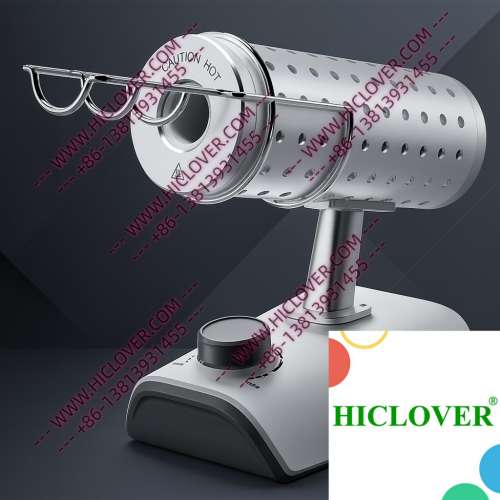
The Micro Incinerator utilizes a unique technical principle based on infrared heat. Unlike the traditional flame sterilizers, which rely on open flames to achieve high temperatures, the Micro Incinerator features an enclosed ceramic tube that generates infrared high-temperature disinfection. This technology allows for rapid thermal sterilization, significantly reducing the time required for effective sterilization while promoting better aerial quality and reducing fire hazards.
The configuration of the Micro Incinerator is specifically designed for ease of use and safety. With a lightweight body and a compact footprint, this device can fit seamlessly into lab environments, including BSL-2 and BSL-3 microbiology laboratories. The device’s ceramic heating chamber ensures that sterilization occurs effectively without the risk of combustion or producing harmful environmental contaminants.
Application Scenarios in Real Laboratories
1. Biosafety Cabinet Operations
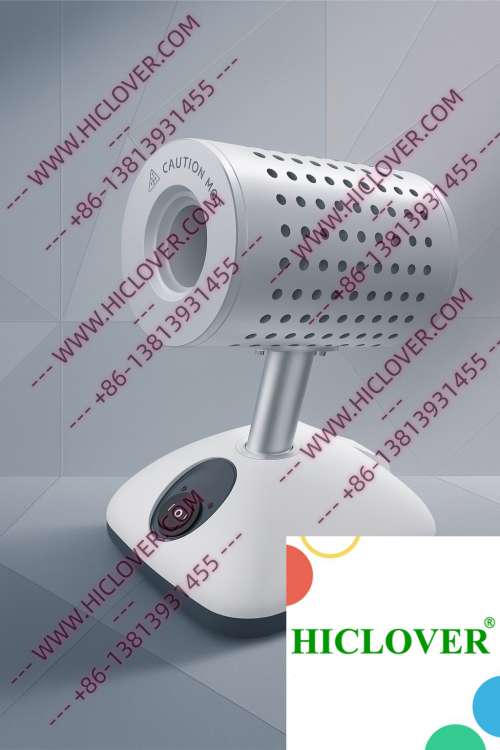
In laboratories where biosafety is paramount, such as clinical diagnostics and microbiological research centers, the Micro Incinerator proves to be an indispensable tool. When working within a biosafety cabinet, researchers often need to sterilize inoculating loops after transferring microorganisms from cultures. This device enables swift sterilization, emitting no aerosols and ensuring that contamination control is upheld without interrupting the workflow.
2. Mobile and Field Testing Labs
Field testing laboratories, especially in remote or mobile scenarios, require reliable sterilization methods that can operate efficiently in varied conditions. In these environments, the Micro Incinerator’s portability stands out as a significant advantage. Its light construction allows for easy transport, and its energy-efficient operation means it can be utilized even in off-grid settings, ensuring that samples can be safely handled on-site without sacrificing sterility.
Compliance and Environmental Standards
The Micro Incinerator meets stringent biosafety standards set by the World Health Organization (WHO) and other regulatory bodies. These standards emphasize the importance of safe sterilization practices in laboratories to protect both personnel and the environment. For example, laboratories adhering to WHO biosafety guidelines must implement methods that minimize contamination risks while ensuring effective waste management—something traditional methods like alcohol lamps and Bunsen burners struggle to achieve.
Moreover, the Micro Incinerator’s operation aligns with lab sterilization standards that emphasize aerosol-free handling, a critical concern in clean room environments where contamination must be strictly controlled. Its no-flame operation is especially relevant, as open flames are not permitted in many modern labs due to the risks they pose.
Advantages Over Traditional Flame Sterilizers
When comparing the Micro Incinerator with traditional flame sterilizers, the advantages become clear:
| Feature | Micro Incinerator | Traditional Flame Sterilizers |
|---|---|---|
| Safety | No open flame; reduced risk of fire hazards | Open flame; higher risk of fire hazards |
| Speed | Rapid thermal sterilization | Slower, requires longer exposure |
| Environmental Impact | Low emissions, limited waste | Produces more contaminants, smoke |
| Contamination Control | Aerosol-free operation | Potential aerosol and contaminant release |
Frequently Asked Questions
- What is a Micro Incinerator used for? The Micro Incinerator is used for sterilizing inoculating loops and other lab tools quickly and effectively without combustion.
- How does the Micro Incinerator comply with biosafety guidelines? It meets WHO and lab sterilization standards, ensuring no open flames are used, thereby minimizing contamination risks.
- Can the Micro Incinerator be used in a biosafety cabinet? Yes, its design fits seamlessly into biosafety cabinets, providing safe sterilization in contained environments.
- What makes the Micro Incinerator environmentally friendly? It has low emissions, reduced waste production, and provides aerosol-free handling, significantly lowering its environmental footprint.
- How portable is the Micro Incinerator? The device is lightweight and easy to transport, making it ideal for use in mobile and field testing laboratories.
Conclusion
In summary, the Micro Incinerator or Infrared Inoculating Loop Sterilizer offers a formidable solution to the challenges of laboratory sterilization, particularly when addressing contemporary needs for sustainability in medical waste management. By embracing this advanced technology, laboratories can ensure the health and safety of their personnel while contributing to a more sustainable future.
For more information on how the Micro Incinerator can enhance your lab’s sterilization capabilities or to discuss procurement options, please feel free to contact us today!
Categories:
Tags: