
The field of microbiology is fraught with various biosafety challenges. Laboratories are constantly required to maintain the highest standards of contamination control and sterilization protocols. With increasing workloads and the necessity for rapid turnaround times, traditional methods of sterilization, such as alcohol lamps and Bunsen burners, present significant drawbacks, including the risk of open flames, inconsistency in heat application, and potential for aerosol generation. Enter the Micro Incinerator / Infrared Inoculating Loop Sterilizer, a game-changing device that revolutionizes sterilization methods in microbiology labs worldwide.
Understanding the Technical Principle Behind Micro Incinerators
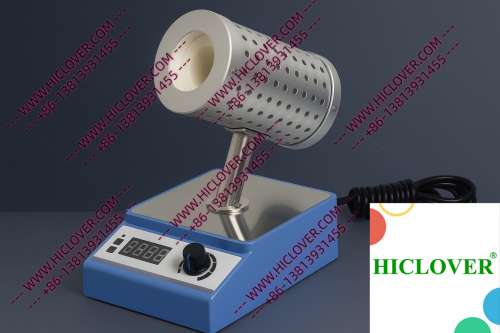
The Micro Incinerator operates using the principle of rapid thermal sterilization through an enclosed ceramic heating chamber. Unlike conventional flame sterilizers, the infrared technology employed heats inoculating loops quickly and uniformly to eliminate microorganisms within seconds. This process provides a consistent, reliable method of achieving high-temperature disinfection while maintaining a clean and safe laboratory environment.
The Micro Incinerator’s design features an enclosed ceramic tube that minimizes aerosol release, thereby reducing the risk of cross-contamination and ensuring compliance within stringent biosafety standards. The innovative construction allows for easy operation and clean-bench-safe functionality, making it a preferred choice across various settings.
Applications in Real Laboratory Settings
1. Biosafety Cabinet Utilization
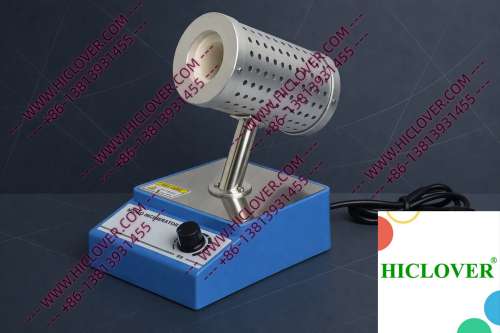
In BSL-2 and BSL-3 microbiology labs, the Micro Incinerator plays an essential role. Within biosafety cabinets, researchers working with pathogenic microorganisms rely on this device for efficient sterilization of inoculating loops. The integrated design allows users to safely handle samples without the fear of igniting flammable materials or generating harmful aerosols, satisfying both workflow demands and biosafety compliance.
2. Teaching Laboratories
In university teaching labs, where students are introduced to microbiological techniques, the Micro Incinerator serves as an outstanding educational tool. With its rapid sterilization capabilities, students can perform numerous experiments in a limited time frame without the risks associated with traditional flames. Moreover, the simplicity of the Micro Incinerator enables students to focus on learning aseptic techniques rather than managing hazardous equipment.
Compliance and Environmental Considerations
Multiple organizations, including the World Health Organization (WHO), have established guidelines on biosafety that laboratories must follow. The Micro Incinerator adheres to these guidelines by offering a flameless sterilization method that prevents hazardous fumes and smoke present in traditional flame-based systems. This ensures a safer working condition within clean rooms and reduces the risk of contamination, making it ideal for labs following strict sterilization standards.
Furthermore, the use of flame-based sterilization systems in clean environments can potentially compromise results due to heat fluctuations, especially in sensitive setups such as CO₂ incubators and anaerobic chambers. The Micro Incinerator effectively mitigates these challenges, proving itself vital in maintaining pristine laboratory conditions.
Advantages Over Traditional Flame Sterilizers
Comparison: Micro Incinerator vs. Flame Burners
| Feature | Micro Incinerator | Flame Sterilizer |
|---|---|---|
| Heat Source | Infrared (Ceramic) | Open Flame |
| Safety | Flameless | Fire Hazard |
| Contamination Risk | Low (Aerosol-Free) | High (Aerosols Present) |
| Heating Time | Rapid (< 10 seconds) | Variable |
| Maintenance | Lower | Higher |
Frequently Asked Questions
- What is the average lifespan of a Micro Incinerator? The lifespan varies but typically ranges from 5 to 10 years with proper use and maintenance.
- Can the Micro Incinerator be used in field testing labs? Yes, the portability and ease of use make it an excellent option for field testing environments.
- How does infrared sterilization compare to traditional methods? Infrared sterilization offers faster, more consistent heating and significantly reduces contamination risks.
- What safety certifications does the Micro Incinerator hold? It complies with international biosafety standards, ensuring it is safe for use in BSL-2 and BSL-3 laboratories.
- Is training required to operate a Micro Incinerator? While it is user-friendly, basic training on safety and operation is recommended for optimal results.
Conclusion: Upgrade Your Lab’s Sterilization Workflow
In conclusion, the Micro Incinerator / Infrared Inoculating Loop Sterilizer addresses the evolving demands of clinical microbiology while enhancing safety and efficiency. Its advantages over traditional flame-based systems make it an indispensable tool for laboratories, hospitals, universities, and research centers worldwide. If you’re in the market for high-quality sterilization equipment, don’t hesitate to reach out for further information or to make a purchase. Elevate your laboratory’s contamination control practices today!
Categories:
Tags: