
In today’s rapidly advancing scientific landscape, laboratory biosafety challenges are of utmost importance. As research expands in fields such as microbiology and biotechnology, the need for efficient and reliable sterilization methods is paramount. Traditional flame-based sterilization techniques, such as alcohol lamps and Bunsen burners, are becoming less favorable in modern labs due to their associated risks and inefficiencies. Enter the Micro Incinerator / Infrared Inoculating Loop Sterilizer, a game-changer in laboratory sterilization equipment, especially in environments where contamination control is critical.
Technical Principles Behind Infrared Sterilization
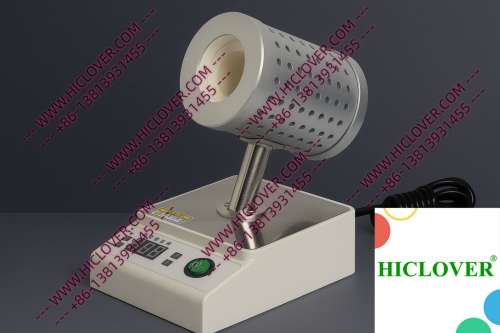
The Micro Incinerator employs advanced technology utilizing infrared heat for rapid thermal sterilization. This device consists of an enclosed ceramic heating chamber that reaches high temperatures swiftly, ensuring effective disinfection without the risk of open flames. The infrared methods provide targeted heating, facilitating a quick sterilization process while minimizing the chances of aerosol generation and the associated risks of contamination.
One of the standout features of these sterilizers is their ability to maintain a clean and controlled environment. As they operate without combustion, there is no need for ventilation systems typically required for flame-based sterilizers, making them an ideal choice for primary settings such as biosafety cabinets, teaching labs, and clean rooms.
Application Scenarios: Versatile Uses in Labs
Biosafety Cabinets
In a BSL-2 microbiology lab, researchers often face the challenge of maintaining sterility while handling potentially infectious materials. The Micro Incinerator provides a fast, efficient, and safe method to sterilize inoculating loops and other small instruments directly within the biosafety cabinet. Its compact design ensures that sterilization can occur without disrupting the critical airflow of the cabinet, creating a safer environment for handling cultures and samples.
Mobile Field Testing
Field testing in remote locations presents unique challenges in maintaining laboratory standards. With the Micro Incinerator, researchers can transport reliable sterilization equipment to the field, ensuring that all tools are sterile before they interact with environmental samples or clinical specimens. This mobile capability promotes enhanced compliance with global biosafety standards even in challenging conditions, making it an essential asset for field researchers and NGOs.
Compliance and Environmental Considerations
The World Health Organization (WHO) has established extensive guidelines for biosafety and sterilization, emphasizing the need to minimize contamination risks in laboratory settings. The Micro Incinerator aligns with these guidelines, providing an effective sterilization solution that adheres to lab safety standards without the risks associated with flame-based methods.
Moreover, in environments such as clean rooms where open flames are prohibited, the use of infrared technologies ensures compliance with safety protocols while eliminating the risks of fire hazards and unwanted fumes. Utilizing the Micro Incinerator significantly enhances sterilization workflows and promotes a safer working atmosphere for lab personnel.
Comparative Overview: Micro Incinerator vs. Traditional Flame Burners
| Feature | Micro Incinerator | Flame Burners |
|---|---|---|
| Method of Sterilization | Infrared Heat | Open Flame |
| Risk of Contamination | Reduced | High |
| Compliance with Clean Room Standards | Yes | No |
| Preparation Time | Instant | Time-consuming |
| Aerosol Generation | None | Present |
FAQs About Micro Incinerators
- What types of labs benefit from using a Micro Incinerator?
Micro Incinerators are ideal for BSL-2/BSL-3 laboratories, clinical diagnostic labs, and university teaching labs where sterility is imperative. - How does the Micro Incinerator improve laboratory workflows?
This device offers rapid thermal sterilization, allowing researchers to focus on their work without lengthy sterilization processes. - Can Micro Incinerators be used in field testing?
Yes, their portable design makes them suitable for fieldwork, maintaining sterilization standards even in remote areas. - Are Micro Incinerators compliant with international sterilization standards?
Absolutely, they adhere to WHO biosafety guidelines and laboratory sterilization standards. - How does infrared sterilization reduce contamination risks?
Infrared heat sterilization minimizes aerosol production and eliminates the need for flame, reducing indirect contamination risks.
Conclusion
As the landscape of laboratory research evolves, the Micro Incinerator / Infrared Inoculating Loop Sterilizer stands out as a reliable and efficient solution for maintaining biosafety. By addressing the practical challenges faced in modern labs—from providing effective sterilization in biosafety cabinets to ensuring compliance in clean rooms—this equipment meets the evolving needs of laboratories worldwide.
By investing in this cutting-edge sterilization equipment, you enhance not just laboratory protocols but also health and safety. For inquiries about procuring Micro Incinerators, please reach out to our dedicated sales team today, and ensure your lab is equipped with the best sterilization solutions available on the market!
Categories:
Tags: