
In the ever-evolving landscape of laboratory biosafety, the challenges surrounding waste disposal and sterilization equipment are both pressing and complex. Today’s labs must balance the meticulous demands of sterilization workflows and a commitment to environmental sustainability. Among the innovative solutions aimed at addressing these challenges are micro incinerators, specifically designed to enhance laboratory sterilization practices. This article delves into the features, applications, and compliance considerations of the Micro Incinerator, particularly the Infrared Inoculating Loop Sterilizer.
Biosafety Challenges in Laboratories
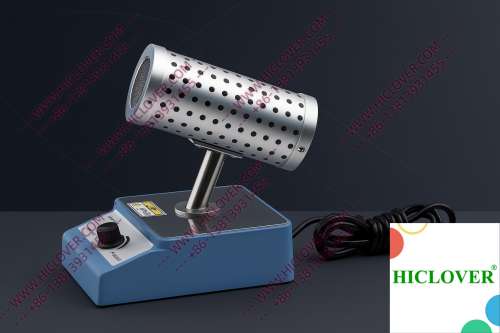
Labs across Canada, particularly those operating under BSL-2 and BSL-3 conditions, face stringent requirements for contamination control. With growing emphasis on eco-friendly disposal methods, traditional sterilization approaches, such as alcohol burners and Bunsen burners, are becoming less favorable due to their inefficiency in minimizing emissions and handling aerosols. The introduction of rapid thermal sterilization methods, like the Infrared Inoculating Loop Sterilizer, provides a striking alternative. This novel technology offers a mechanism for effective sterilization that meets contemporary biosafety standards while reducing environmental impact.
Technical Principles Behind Micro Incinerators
The Micro Incinerator operates on the principle of infrared high-temperature disinfection. Enclosed in a ceramic heating chamber, the device uses infrared heat to reach sterilization temperatures swiftly, ensuring thorough decontamination in a clean-bench-safe manner. This method not only allows for efficient aerosol-free handling but also significantly reduces the time needed for sterilization, thus improving the workflow of laboratory technicians.
- Enclosed Heating Chamber: Prevents contamination, allowing for safe handling of infectious materials.
- Infrared Technology: Quickly reaches necessary temperatures for effective sterilization.
- Compact Design: Specifically made for easy integration into existing lab setups.
- What is a Micro Incinerator?
Micro Incinerators are devices that utilize infrared heat for rapid thermal sterilization of lab tools, ensuring high levels of decontamination with minimal environmental impact. - How does the Micro Incinerator compare to traditional sterilizers?
Compared to traditional flame sterilizers, Micro Incinerators are safer, more efficient, and environmentally friendly, with no open flames and reduced emissions. - What labs benefit most from using Micro Incinerators?
BSL-2 and BSL-3 microbiology labs, clinical diagnostics, and teaching laboratories are ideal environments for the application of Micro Incinerators. - Are Micro Incinerators compliant with safety regulations?
Yes, they comply with WHO biosafety standards and other regulatory frameworks promoting eco-friendly laboratory practices. - How do I integrate a Micro Incinerator into my laboratory setup?
Micro Incinerators are compact and versatile, making them easy to integrate into existing lab setups, such as biosafety cabinets.
Application Scenarios in Real Labs
Biosafety Cabinets
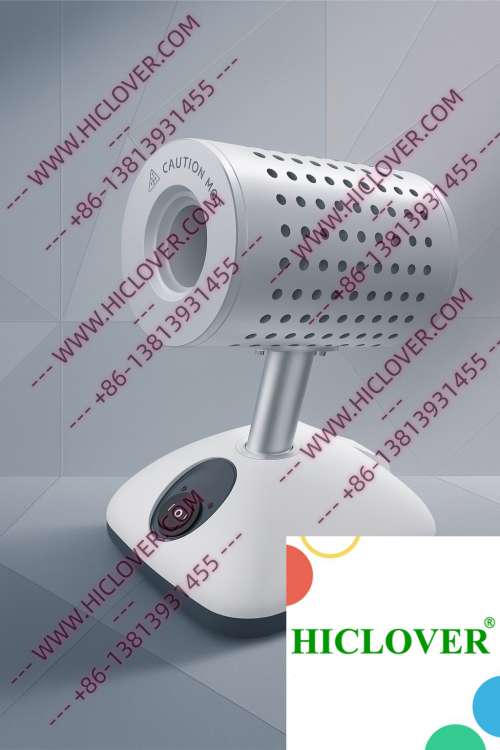
Within BSL-2 and BSL-3 microbiology labs, the Micro Incinerator is an indispensable tool for maintaining sterile conditions. Utilizing a biosafety cabinet, technicians can use infrared inoculating loop sterilizers to decontaminate inoculating loops and other instruments without the risk associated with open flames. This setup ensures that the sterilization process does not compromise the controlled environment of the cabinet, allowing researchers to work safely with pathogens.
Teaching Labs
In university teaching labs, where numerous class sessions involve live cultures, maintaining a safe and sterile environment is critical. Students can benefit greatly from hands-on experience with the Micro Incinerator, learning how to operate sterile equipment responsibly. The device’s ease of use and rapid sterilization capabilities empower students to perform essential lab techniques without long waiting periods, promoting a smoother educational workflow.
Compliance and Environmental Considerations
Compliance with WHO biosafety regulations and local lab sterilization standards is a paramount concern for laboratories, especially as regulatory frameworks tighten. The use of micro incinerators aligns with these standards by reducing reliance on flame-based sterilization, which is often prohibited in cleanroom settings. With stringent biosafety compliance standards come responsibilities, and labs are increasingly held accountable for their impact on the environment. Adopting eco-friendly sterilization technologies like the Micro Incinerator contributes to sustainable lab practices that minimize waste and emissions.
Micro Incinerator vs. Traditional Flame Sterilizers
| Feature | Micro Incinerator | Flame Burner |
|---|---|---|
| Sterilization Efficiency | Rapid thermal sterilization | Variable flame temperatures |
| Safety | No open flames, aerosol-free | Risk of burns and contamination |
| Environmental Impact | Lower emissions | Higher emissions |
| Ease of Use | Simple operation | Requires skill to manage flame |
| Portability | Lightweight and compact | Bulky and fixed location |
Frequently Asked Questions (FAQs)
Conclusion
In conclusion, the adoption of the Micro Incinerator and similar infrared inoculating loop sterilizers marks a significant step forward in laboratory waste disposal and sterilization techniques. Their efficiency, safety, and environmental benefits align with the evolving needs of labs in Canada and beyond. As more labs strive to comply with stringent biosafety standards while minimizing their ecological footprint, the demand for innovative sterilization solutions will only grow. To learn more about how the Micro Incinerator can enhance your lab’s sterilization workflows, feel free to contact us for more information or to inquire about purchasing options.
Categories:
Tags: