
Laboratories around the world face the critical challenge of ensuring that bacteria and other pathogens are not only identified but also effectively managed. In Colombia, the urgency for laboratory biosafety has led to innovations in sterilization equipment. Among these innovations, Micro Incinerators, specifically designed for rapid thermal sterilization, are proving to be a game changer. This article delves into how Micro Incinerators/Infrared Inoculating Loop Sterilizers can address biosafety challenges while promoting sustainable laboratory practices.
Understanding Micro Incinerators: The Technical Principles
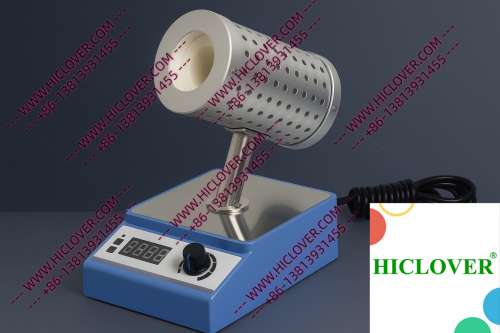
Micro Incinerators utilize infrared heat to achieve high-temperature disinfection without the use of flames. These devices are equipped with enclosed ceramic heating chambers that quickly reach temperatures exceeding 800°C, offering a robust sterilization solution. The principle of operation is based on the generation of infrared radiation, which ensures that materials in the sterilization zone are rapidly heated. The absence of open flames minimizes the risk of contamination in clean environments, making it an ideal choice for various laboratory applications.
Applications in Laboratory Settings
Micro Incinerators find their utility in different laboratory scenarios, particularly in interactions with biosafety cabinets, field testing, and academic teaching labs. Below are two specific instances where these sterilizers can be vital:
- Biosafety Cabinets: In a BSL-2 microbiology lab, researchers often work with potentially infectious agents. During microbial handling, disposable inoculating loops need to be sterilized efficiently to prevent cross-contamination. Micro Incinerators offer a clean, flame-free solution, incinerating any microbial residue without aerosol generation, thus protecting both personnel and the work environment.
- University Teaching Labs: In an academic setting, teaching students proper microbiological techniques is essential. The Micro Incinerator facilitates quick sterilization during lab sessions, allowing students to focus on learning rather than being concerned with handling flames. Its compact design makes it easy to integrate into teaching spaces, promoting safe practices as part of the student curriculum.
- Ensuring rapid thermal sterilization that eliminates pathogens effectively.
- Providing a flame-free alternative, which is critical in clean rooms where any flame could compromise air quality.
- Minimizing waste and contributing to sustainable practices, addressing the environmental concerns associated with conventional flame sterilizers.
- What is a Micro Incinerator, and how does it work?
Micro Incinerators are device that uses infrared heat to rapidly sterilize inoculating loops and other lab tools at high temperatures, ensuring a safe and effective disinfection process without the use of flames. - Why should I choose a Micro Incinerator over a traditional flame sterilizer?
Micro Incinerators provide a safer and more efficient alternative to traditional methods, preventing aerosol generation and reducing the risk of contamination in the lab environment. - Are Micro Incinerators compliant with WHO biosafety standards?
Yes, Micro Incinerators meet the stringent requirements outlined by WHO, offering a reliable method for sterilization that contributes to better biosafety protocols. - Can Micro Incinerators be used in field testing laboratories?
Absolutely. Their portable design makes them ideal for mobile labs, allowing researchers to maintain sterilization practices in various settings without compromising safety. - How do I maintain a Micro Incinerator?
Maintenance involves regular cleaning and inspection of the ceramic heating chambers to ensure optimal performance and safety. Always refer to the manufacturer’s guidelines for specific instructions.
Compliance and Environmental Impact
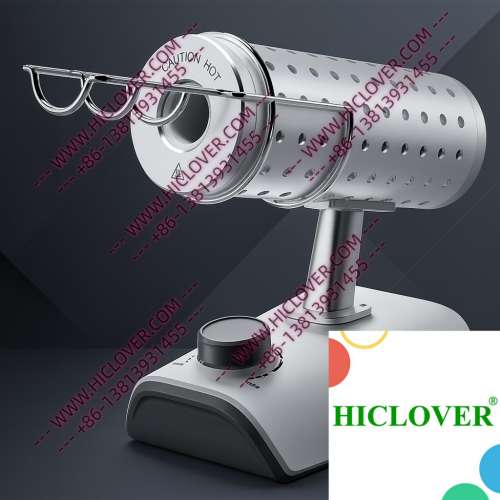
Laboratory compliance with biosafety regulations is crucial, not only for safety but also for operational efficiency. The World Health Organization (WHO) outlines stringent biosafety laboratory standards that stress the importance of effective sterilization methods. The use of Micro Incinerators aligns with these guidelines by:
With Colombia’s commitment to improving laboratory infrastructures, adopting Micro Incinerators can help research centers and universities comply with international standards while fostering a commitment to environmental health.
Micro Incinerators vs. Traditional Flame Sterilizers
In the quest for laboratory sterilization, comparing Micro Incinerators to traditional flame sterilizers, such as Bunsen burners or alcohol lamps, highlights significant advantages:
| Feature | Micro Incinerator | Traditional Flame Sterilizer |
|---|---|---|
| Heat Source | Infrared heat | Open flame |
| Contamination Risk | Aerosol-free handling | Aerosol generation possible |
| Efficiency | Rapid thermal sterilization | Slower to reach effective temperatures |
| Safety | Clean-bench safe | Risk of burns/fire hazards |
FAQs about Micro Incinerators
Conclusion: A Path to a Sustainable Laboratory Future
As Colombia continues to emerge as a leader in research and science, adopting advanced laboratory sterilization equipment like Micro Incinerators will be paramount in ensuring compliance, safety, and efficiency. By investing in Micro Incinerator technology, laboratories can elevate their biosafety protocols and contribute to a sustainable future, promoting health and scientific advancement throughout the region. For laboratories looking to modernize their sterilization processes, consider reaching out for high-quality Micro Incinerator solutions tailored to your needs.
Categories:
Tags: