
Laboratories across Germany face increasing challenges in biosafety and sterilization workflows as the need for effective contamination control grows. Traditional flame sterilizers, such as alcohol lamps and Bunsen burners, have long been the go-to solution for many labs. However, with the introduction of modern technologies like the Micro Incinerator, there’s a shift toward a safer, more efficient method of sterilization. This article highlights the advancements in laboratory sterilization equipment, particularly focusing on the Infrared Inoculating Loop Sterilizer.
Understanding the Technology Behind Micro Incinerators
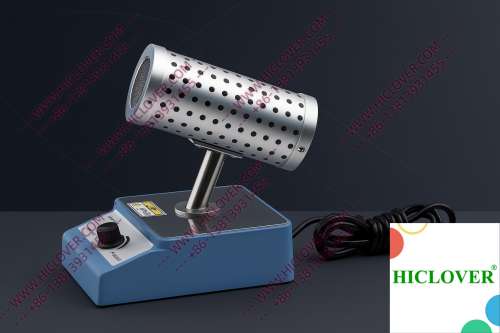
The Micro Incinerator utilizes advanced infrared heat technology for rapid thermal sterilization. It features an enclosed ceramic heating chamber that provides a controlled environment for high-temperature disinfection. This design minimizes the risk of aerosol release and contamination during practical use, which is crucial for maintaining the integrity of sensitive laboratory environments.
Unlike traditional flame sterilizers, which can produce soot and require open flames, the Micro Incinerator offers a smoke-free, flame-free solution that significantly reduces the risk of fire hazards. This is particularly important in cleanrooms and BSL-2 and BSL-3 microbiology labs where strict safety protocols are mandatory.
Applications of Micro Incinerators in Modern Laboratories
The applications of Micro Incinerators extend to various laboratory environments. Here are two distinct examples:
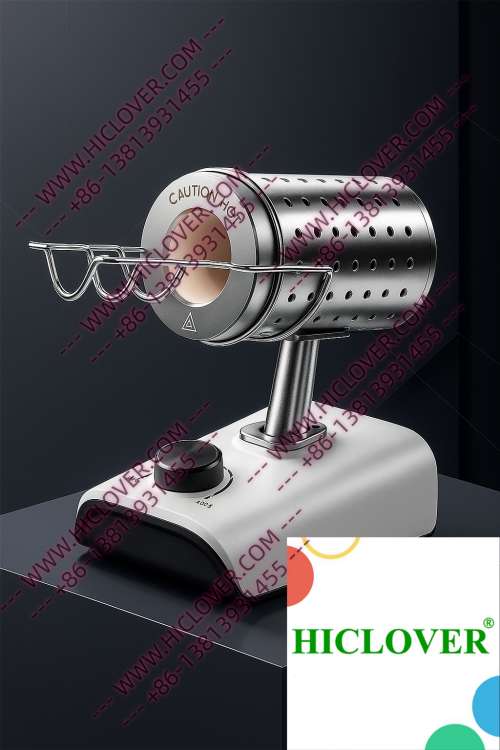
- Biosafety Cabinets: Utilized in BSL-2 and BSL-3 labs, these cabinets require effective sterilization equipment to manage potential biohazard exposure. The Micro Incinerator provides a safe, quick sterile solution for inoculating loops and metal tools, assuring users of contamination-free operations.
- University Teaching Labs: In academic settings, demonstrating proper sterilization techniques is vital. Incorporating the Infrared Inoculating Loop Sterilizer allows students to observe rapid thermal sterilization without the risks associated with flames. Its ease of use enhances educational experiences while promoting safe practices.
Regulatory Compliance and Environmental Considerations
Compliance with biosafety standards established by organizations such as the WHO is paramount in laboratory environments. The Micro Incinerator aligns with the laboratory sterilization standards by offering a non-flame option for disinfection. Utilizing such devices in cleanrooms ensures adherence to stringent safety guidelines, as there is no risk of flammable gases igniting.
Moreover, the use of Micro Incinerators contributes to environmental sustainability by minimizing air pollution and reducing carbon footprints in waste treatment. With increasing regulations around eco-friendly practices in Germany, laboratories are encouraged to adopt technologies that reduce waste and promote green solutions.
Why Choose Micro Incinerators Over Traditional Flame Sterilizers?
Transitioning to Micro Incinerators offers significant advantages over conventional flame sterilizers:
| Feature | Micro Incinerator | Traditional Flame Sterilizers |
|---|---|---|
| Heat Source | Infrared | Open Flame |
| Contamination Control | Minimal aerosol production | Potential soot and aerosol generation |
| Operating Environment | Clean-bench safe | Limited in cleanrooms |
| Safety | No open flame risk | Fire hazard present |
| Speed of Sterilization | Rapid | Variable |
Frequently Asked Questions
1. What types of laboratories benefit from using a Micro Incinerator?
Micro Incinerators are ideal for BSL-2 and BSL-3 microbiology labs, university teaching labs, and clinical diagnostics environments where contamination control is critical.
2. How does the Micro Incinerator achieve its sterilization effect?
It utilizes infrared heat in an enclosed ceramic tube to quickly and effectively sterilize inoculating loops and small metal instruments without producing harmful byproducts.
3. Can the Micro Incinerator be used in a cleanroom environment?
Yes, the Micro Incinerator is designed to be clean-bench safe, ensuring compliance with cleanroom standards while providing an efficient sterilization solution.
4. How does the Micro Incinerator compare to other sterilization methods?
Compared to traditional flame sterilizers, the Micro Incinerator offers better contamination control, increased safety, and rapid thermal sterilization without the risks of open flames.
5. Are there specific safety guidelines for using Micro Incinerators?
Yes, it’s essential to follow manufacturer instructions and adhere to laboratory safety protocols, including using the device in well-ventilated spaces and with appropriate personal protective equipment (PPE).
Conclusion
Germany’s shift towards adopting Micro Incinerators represents a significant step in laboratory sterilization technology. By embracing this innovative solution, laboratories can ensure enhanced safety, compliance with biosafety regulations, and efficient sterilization for their operations. For laboratory supply distributors, hospitals, and universities looking to upgrade their sterilization equipment, the Micro Incinerator offers a proven, eco-friendly solution. Contact us today to learn more about integrating this revolutionary sterilization technology into your lab!
Categories:
Tags: