
In the realm of modern laboratories, biosafety is a paramount concern. As researchers strive to prevent contamination and ensure sterile environments, the need for efficient sterilization methods becomes critical. The traditional methods of using flame sterilizers, such as alcohol lamps and Bunsen burners, pose both risks and efficiency challenges. Enter the Micro Incinerator, specifically designed for rapid thermal sterilization while maintaining a clean and safe laboratory atmosphere. This innovative solution utilizes infrared technology to enhance lab workflows and improve contamination control.
Understanding Micro Incinerators: The Technical Foundation
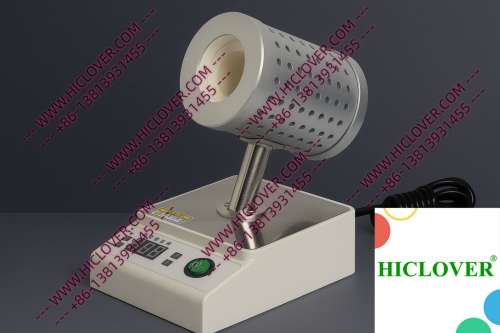
The Micro Incinerator, often referred to as an Infrared Inoculating Loop Sterilizer, employs powerful infrared high-temperature disinfection to sterilize inoculating loops and other tools rapidly. The heart of this device is its enclosed ceramic heating chamber, which efficiently generates and retains heat, directing it precisely where it’s needed without the risk of open flames.
This technology operates at temperatures that can swiftly eliminate bacterial and viral contaminants, making it an ideal choice for biosafety cabinets and other controlled environments. The ability to reach high temperatures quickly not only enhances efficiency but also minimizes the risk of aerosol generation, making it a clean-bench-safe option for labs handling sensitive materials.
Use Cases of Micro Incinerators in Laboratories
Micro Incinerators find extensive application across various laboratory settings. Below are two scenarios that highlight their exceptional utility:
- Biosafety Cabinets: In BSL-2 and BSL-3 labs where aerosol contamination is a major concern, the use of a Micro Incinerator for sterilizing inoculating loops ensures that staff and experiments are protected from potential contaminants. The rapid sterilization process allows researchers to remain focused on their work without the anxiety that comes with traditional flame methods.
- Field Testing Laboratories: For microbiologists working in field testing labs, portability and efficiency are key. Micro Incinerators offer a lightweight solution that can easily be deployed in various locations. With no need for combustible materials, researchers can sterilize tools on-demand, maintaining high standards of biosecurity even in remote areas.
Environmental and Compliance Considerations
The transition to micro incineration technology is not solely driven by efficiency; compliance with various health and safety regulations is equally important. WHO biosafety standards dictate stringent sterilization protocols to minimize contamination risks in laboratory settings. Furthermore, traditional flame sterilization techniques are often incompatible with cleanroom environments due to the combustion byproducts they create. Micro Incinerators, being flame-free, assist labs in meeting these compliance requirements while ensuring optimal safety.
Comparison: Micro Incinerator vs. Traditional Flame Sterilizers
| Feature | Micro Incinerator | Flame Sterilizer |
|---|---|---|
| Heat Generation | Infrared technology | Open flame |
| Contamination Control | Aerosol-free handling | High risk of aerosols |
| Efficiency | Rapid thermal sterilization | Longer wait times |
| Safety | Clean-bench-safe | Flammable materials hazard |
| Portability | Lightweight and compact | Less portable |
Frequently Asked Questions
- What are the primary benefits of using a Micro Incinerator over traditional flame sterilizers?
The Micro Incinerator offers enhanced safety, rapid thermal sterilization, and contamination control without the risks associated with open flames. - Can Micro Incinerators be used in cleanroom environments?
Yes, they are ideal for cleanrooms as they do not generate flame or combustion byproducts that could contaminate the environment. - How fast can a Micro Incinerator sterilize inoculating loops?
The sterilization process typically takes seconds, much quicker than traditional methods that may require longer heating times. - Are Micro Incinerators compliant with biosafety regulations?
Yes, they adhere to WHO biosafety standards, making them an excellent choice for laboratories requiring stringent safety protocols. - Is training required to operate a Micro Incinerator?
Basic training is recommended to ensure users understand the device’s operation and safety features, although they are generally user-friendly.
Conclusion: Elevating Laboratory Safety and Efficiency
The Micro Incinerator represents a transformative approach to laboratory sterilization in the Netherlands and beyond, aligning with the growing emphasis on sustainability and safety in laboratory practices. By eliminating traditional combustion methods, this innovative equipment not only enhances contamination control but also adheres to critical safety standards.
As the demand for sterile environments continues to rise across various sectors, investing in a Micro Incinerator could significantly streamline your laboratory’s sterilization workflows. For further information or to inquire about purchasing, please contact us today.
Categories:
Tags: