
In laboratories worldwide, the challenge of maintaining optimal biosafety levels while ensuring effective sterilization processes can often be daunting. Traditional methods of sterilization, such as flame-based options like alcohol lamps and Bunsen burners, not only pose fire hazards but also compromise clean bench operations and run the risk of contamination. This is where Norway’s commitment to environmental sustainability and innovation shines through with its advanced waste management solutions, particularly the micro incinerator technology.
Understanding Micro Incinerators
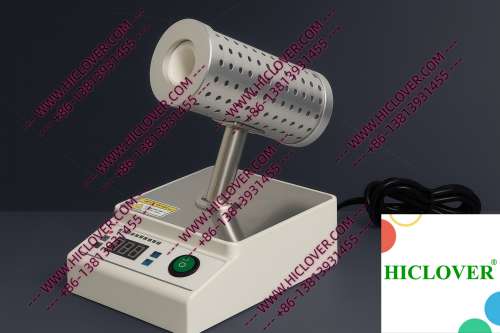
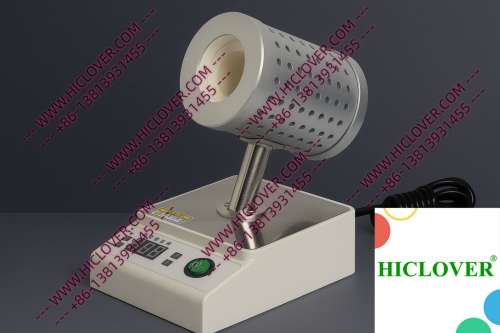
The Micro Incinerator, specifically the Infrared Inoculating Loop Sterilizer, represents a significant evolution in laboratory sterilization equipment. Utilizing a robust ceramic heating chamber, this device employs infrared heat to achieve rapid thermal sterilization, accommodating the most stringent contamination control standards. This method ensures that inoculating loops, needles, and other lab tools are sterilized quickly and effectively without the handling complications associated with traditional flame methods.
- Enclosed Ceramic Tube: The infrared inoculating loop sterilizer features a closed design that protects users from exposure to any potential aerosols created during the sterilization process.
- Rapid Sterilization: Heat is applied directly to the tools, achieving high temperatures rapidly to eliminate pathogens without the need for open flames.
- Clean-Bench-Safe: Designed for use in biosafety cabinets, it ensures compliance with contamination control protocols.
Applications in Real Labs
Biosafety Cabinet Operations
In BSL-2 and BSL-3 microbiology labs, the application of micro incinerators is transformative. These laboratories deal with pathogens that pose moderate to high risks to healthy humans and the environment, necessitating strict biosafety practices. Micro incinerators allow researchers to sterilize inoculating loops directly within the biosafety cabinet, limiting exposure and risk of contamination.
Field Testing Laboratories
Field testing labs often encounter challenges with sterilization in unpredictable environments. The portable nature of micro incinerators allows researchers to maintain stringent sterilization protocols even in remote locations. This capability ensures that samples collected in the field remain uncontaminated and reliable for further analysis.
Compliance with Sterilization Standards
The adoption of micro incinerators aligns perfectly with WHO biosafety protocols and laboratory sterilization standards. The absence of an open flame is crucial in clean room environments, where airborne contaminants must be minimized. Additionally, using an infrared inoculating loop sterilizer meets various laboratory regulations, ensuring that research centers operate within compliance.
Key Integration: Micro incinerators provide an de facto solution in situations where traditional sterilizers fail, ensuring labs not only adhere to safety regulations but also enhance operational efficiency.
Advantages Over Traditional Flame Sterilizers
When comparing micro incinerators to traditional flame sterilizers, several advantages emerge:
| Feature | Micro Incinerator | Flame Sterilizer |
|---|---|---|
| Safety | Low risk of fire hazards | High fire hazard |
| Contamination Control | Aerosol-free handling | Aerosols possible |
| Efficiency | Rapid thermal sterilization | Slower heat-up time |
| Ease of Use | Set-and-forget operation | Requires manual management |
FAQs about Micro Incinerators
What contaminants can micro incinerators effectively destroy?
Micro incinerators are designed to eliminate a broad spectrum of bacteria, viruses, and other microbial pathogens, assuring a high level of sterilization for laboratory tools.
Are micro incinerators portable for field research?
Yes, many micro incinerators are designed with portability in mind, making them suitable for on-site sterilization in varied field conditions.
How do micro incinerators enhance lab workflow efficiency?
Their rapid sterilization capability minimizes downtime, allowing researchers to perform an uninterrupted series of experiments while adhering to biosafety protocols.
Conclusion
Norway’s innovative approach to waste management through micro incinerators, such as the Infrared Inoculating Loop Sterilizer, showcases a commitment not only to environmentalism but also to advancing laboratory safety and efficiency. This cutting-edge solution offers laboratories—ranging from universities to healthcare facilities—the reliability and performance required under strict biosafety standards.
By integrating micro incinerators into your sterilization workflow, you can promote improved operational practice, reduce the presence of hazardous flames, and foster a safer laboratory environment. For more information on how to implement this advanced sterilization solution, please contact us today.
Categories:
Tags: