
In the fast-evolving landscape of laboratory processes, the need for efficient and reliable sterilization solutions has never been more pressing. Laboratories face significant biosafety challenges in effectively managing contamination risks, particularly during microbiological testing and manipulation. In Finland, many communities are embracing innovative solutions like the Micro Incinerator or Infrared Inoculating Loop Sterilizer, fulfilling modern sterilization workflow demands while enhancing safety protocols.
Technical Principles of Micro Incinerators
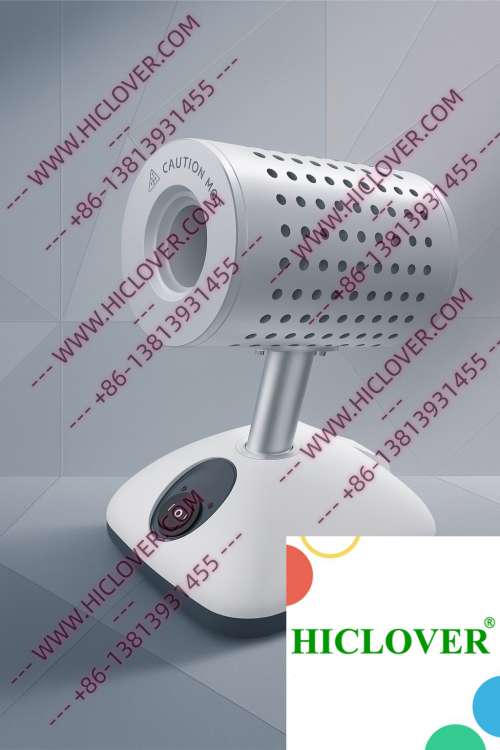
Micro incinerators operate on the principle of rapid thermal sterilization. The enclosed ceramic heating chamber effectively generates infrared heat, reaching temperatures that facilitate high-temperature disinfection. This approach ensures that sterilization occurs rapidly and efficiently, unlike traditional flame sterilizers such as alcohol lamps or Bunsen burners, which can introduce additional hazards like open flames and aerosols.
Using a micro incinerator streamlines sterilization processes through its compact design, making it particularly suitable for biosafety cabinets and various laboratory environments. In this way, it minimizes the risk of contamination while providing a clean-bench-safe solution for researchers working with potentially dangerous pathogens.
Application Scenarios in Real Laboratories
Scenario 1: Clinical Diagnostics
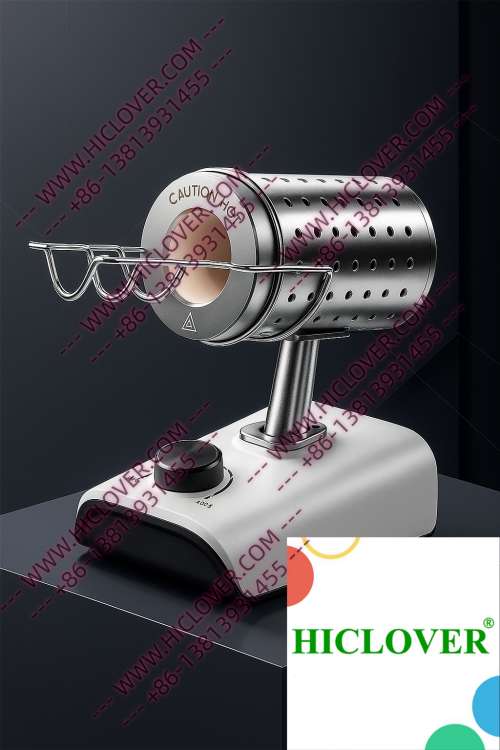
In clinical diagnostic labs, where sterile conditions are paramount, the Micro Incinerator is a vital tool. When performing procedures such as inoculating media for cultures, lab technicians rely on its efficient sterilization capacity to eliminate contaminants. This not only ensures the integrity of testing but significantly reduces the time needed for sterilization, allowing for quicker turnaround of diagnostic results.
Scenario 2: Teaching Labs in Universities
University teaching labs represent another significant application area. Students utilize micro incinerators for sterile handling of inoculating loops while learning microbiological techniques. The infrared sterilization method eliminates the risk of flame burns and provides aerosol-free handling, creating a safer educational environment. Instructors appreciate the reliability of the device, knowing that their students can focus on mastering laboratory procedures without the distractions and hazards associated with traditional methods.
Compliance and Environmental Standards
Laboratory sterilization must adhere to stringent compliance standards to ensure safety and efficacy. The World Health Organization (WHO) has established guidelines for biosafety in laboratory settings, emphasizing the importance of proper sterilization procedures to mitigate risks of contamination. Furthermore, many laboratories, particularly those operating at BSL-2 and BSL-3 levels, are mandated to follow various sterilization standards to ensure operational safety.
The Micro Incinerator aligns with these compliance requirements, offering an efficient alternative to traditional flame sterilizers. For instance, many clean rooms and high-risk environments prohibit open flames due to the potential for fire hazards and air contamination. The infrared technology utilized in micro incinerators ensures that these environments remain sterile without the introduction of flame or smoke.
Key Advantages of Micro Incinerators Over Traditional Flame Sterilizers
- Rapid sterilization: Micro incinerators achieve quicker sterilization times than traditional methods.
- Reduced risk: No open flame reduces fire hazard and enhances workplace safety.
- Aerosol-free: Minimizes the risk of aerosolization, ensuring a safer handling process.
- Environmentally friendly: Eliminates the need for combustible materials and minimizes waste.
- Compact design: Suitable for confined spaces such as biosafety cabinets.
Comparison: Micro Incinerator vs. Traditional Flame Burners
| Feature | Micro Incinerator | Flame Burners |
|---|---|---|
| Sterilization method | Infrared | Open flame |
| Safety | No flame, reduced risk | Open flame, higher risk |
| Speed | Rapid sterilization | Variable speed |
| Aerosol risk | No aerosols | Potential aerosols present |
| Environmental impact | Low | Higher due to fuel use |
Frequently Asked Questions
What are the main benefits of using a Micro Incinerator in laboratory settings?
The main benefits include rapid sterilization, enhanced safety by eliminating open flames, and a reduced risk of aerosol contamination.
Can Micro Incinerators be used in BSL-3 laboratories?
Yes, Micro Incinerators are compliant with BSL-3 operational standards and are safe for use in environments managing hazardous pathogens.
How do Micro Incinerators contribute to environmental sustainability?
They reduce the need for combustible materials and minimize waste associated with traditional sterilization methods, thus having a lower environmental impact.
Are Micro Incinerators cost-effective?
While the initial investment may be higher than traditional methods, the long-term savings on consumables and reduced downtime from contamination make them a cost-effective option.
Is maintenance required for Micro Incinerators?
Minimal maintenance is required, but regular cleaning of the ceramic heating element is essential to ensure optimum performance.
Conclusion
The adoption of Micro Incinerators in Finnish communities marks a transformative step towards enhanced laboratory safety and efficiency. By leveraging advanced infrared sterilization technology, laboratories and educational institutions can ensure compliance with stringent biosafety standards while significantly improving workflow processes. For laboratories looking to improve their sterilization methods, investing in a Micro Incinerator is a forward-thinking choice that merges safety with practicality.
For organizations interested in acquiring or learning more about Micro Incinerators, don’t hesitate to reach out. Together, we can elevate your laboratory operations to meet the demands of modern science.
Categories:
Tags: