
In laboratories across Oman, the need for effective sterilization methods continues to grow, particularly in the face of increasing laboratory biosafety challenges and sterilization workflow demands. Traditional flame sterilizers like alcohol lamps and Bunsen burners, while common, pose significant risks including contamination, unpredictable temperature control, and fire hazards in sensitive environments. In response, innovative solutions such as Micro Incinerators and Infrared Inoculating Loop Sterilizers have emerged, offering a superior alternative for safe and effective laboratory sterilization.
Revolutionizing Laboratory Sterilization Methods
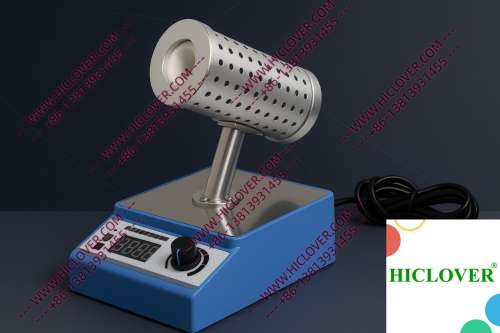
The Micro Incinerator harnesses the power of infrared heat, converting energy into superheated temperatures within an enclosed ceramic heating chamber. This technology enables rapid thermal sterilization, generating precise and consistent disinfection outcomes while minimizing the risk of contamination. A unique feature of the Micro Incinerator is its ability to operate without an open flame, making it ideal for use in clean benches and other controlled laboratory environments.
Applications in Real Laboratories
Laboratories in Oman, including BSL-2 and BSL-3 microbiology facilities, have integrated Micro Incinerators into their standard operating procedures. These sterilization units enhance workflow efficiency while ensuring compliance with rigorous biosafety standards.
Field Testing Laboratories
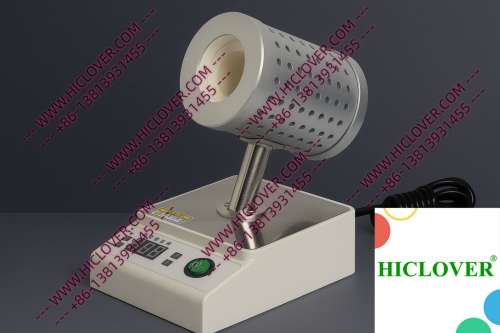
Field testing laboratories often operate in dynamic environments where contamination control is paramount. The portability of the Micro Incinerator allows technicians to sterilize inoculating loops and other equipment quickly and effectively, minimizing the risk of sample contamination during field evaluations. With its lightweight design and simple operation, it is an invaluable asset for mobile research teams.
University Teaching Labs
In educational institutions, the Micro Incinerator serves as a powerful teaching tool for students learning laboratory techniques. In university teaching labs, instructors can demonstrate the principles of infection control and sterilization without the drawbacks of open flames, fostering a safer learning environment. Students gain hands-on experience with equipment that adheres to the same high standards observed in professional laboratories.
Compliance with Biosafety Standards
The Micro Incinerator meets stringent WHO biosafety requirements and lab sterilization standards, making it suitable for use in clinical diagnostics and research institutions. The elimination of an open flame ensures safer operations in clean rooms, and the controlled mechanism reduces the likelihood of aerosols being released into the environment, which is critical in maintaining laboratory integrity.
“With the integration of Micro Incinerators, we can ensure a higher level of safety and efficiency in laboratory sterilization practices,” says Dr. Ahmed Al-Sabahi, a microbiologist at a leading research center in Muscat.
Benefits Over Traditional Flame Sterilizers
- Contamination Control: Infrared technology ensures the complete elimination of pathogens without exposing samples to flame contamination.
- Precision and Control: Micro Incinerators provide consistent heating temperatures, optimizing sterilization times and outcomes.
- Safety: No open flames mitigate fire hazards, making it a clean-bench-safe option.
- Eco-Friendly: Reduced carbon footprint compared to traditional flame sterilizers, aligning with Oman’s sustainable waste management objectives.
Comparative Insights: Micro Incinerators vs. Flame Burners
| Feature | Micro Incinerator | Flame Burner |
|---|---|---|
| Operation | Infrared heating | Open flame |
| Safety | Flame-free | Risk of fire and burns |
| Efficiency | Rapid thermal sterilization | Uneven heat distribution |
| Contamination Control | High | Moderate |
| Carbon Footprint | Lower | Higher |
Frequently Asked Questions (FAQs)
- What is a Micro Incinerator?
A Micro Incinerator is a laboratory sterilization device that uses infrared heat within an enclosed ceramic chamber to ensure rapid and safe sterilization of inoculating loops and other tools.
- How does it differ from traditional flame sterilizers?
Unlike flame sterilizers, Micro Incinerators operate without an open flame, providing better contamination control and improved safety in laboratory settings.
- Is the Micro Incinerator compliant with global biosafety standards?
Yes, it meets WHO biosafety requirements and various international sterilization standards, ensuring reliability in clinical and research laboratories.
- Can Micro Incinerators be used in field testing?
Absolutely, their portability and efficiency make them ideal for mobile labs where rapid sterilization is essential.
- What are the advantages for educational institutions?
They provide a safe learning environment for students, allowing them to practice sterilization techniques without the risks associated with flame use.
Conclusion
In summary, Micro Incinerators represent a significant advancement in laboratory sterilization practices, particularly in Oman where sustainable waste management is a growing priority. Their unique design and sophisticated sterilization mechanism offer a host of advantages over traditional flame sterilizers, making them essential for BSL-2 and BSL-3 microbiology labs, clinical settings, and educational environments. Businesses looking to enhance their sterilization workflows should consider investing in Micro Incinerators to align with modern biosafety standards. For more information or to place an order, don’t hesitate to reach out to us today!
Categories:
Tags: