
In the realm of laboratory operations, the need for effective sterilization solutions is paramount. Laboratories face significant biosafety challenges, particularly in microbiological and clinical contexts where contamination control is critical. The emergence of the Micro Incinerator, particularly the Infrared Inoculating Loop Sterilizer, has provided a solution that integrates efficiency, safety, and compliance in sterilization workflows.
Understanding the Technical Principles of Micro Incinerators
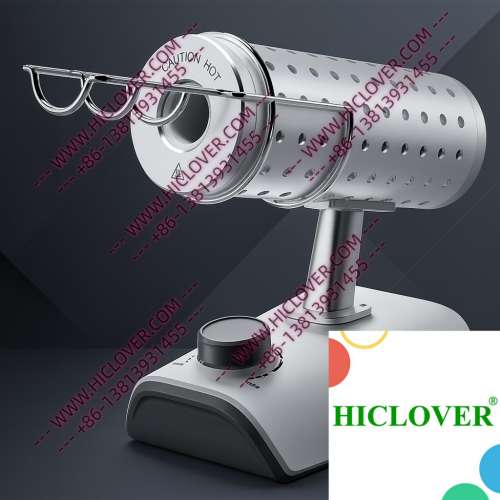
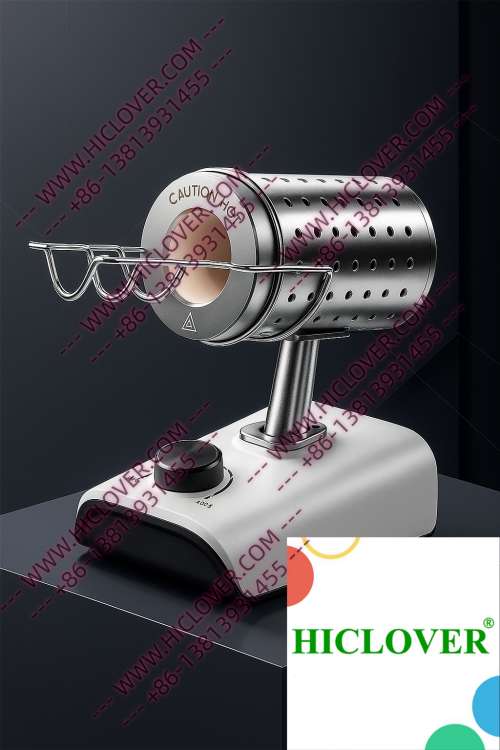
Micro Incinerators operate on the principle of infrared heat. This cutting-edge equipment utilizes an enclosed ceramic heating chamber to achieve high-temperature disinfection without the use of flames. By employing infrared radiation, these sterilizers take full advantage of direct heat transfer, which means that laboratory personnel can achieve rapid thermal sterilization of inoculating loops, needles, and small instruments within seconds. This stands in stark contrast to traditional flame sterilizers, like alcohol lamps and Bunsen burners, which can pose a higher risk of contamination and burn hazards.
Configuration Features of Micro Incinerators
- Rapid Heating: Achieves sterilization temperatures instantly.
- Compact Design: Easily fits on laboratory benches and within biosafety cabinets.
- Dust-Free Operation: Ensures aerosol-free handling, significantly reducing contamination risks.
- Environmentally Friendly: No open flames means a safer lab environment, especially in clean rooms.
- Simplified Workflow: Reduces time spent on sterilization compared to traditional methods.
Application Scenarios in Laboratory Environments
1. Biosafety Cabinet Operations
In BSL-2 and BSL-3 microbiology labs, the use of Micro Incinerators is essential. These devices can be safely placed within biosafety cabinets, allowing for immediate sterilization of tools used for handling infectious materials. The infrared heat minimizes the risk of aerosol generation, safeguarding the laboratory personnel from potential biohazards while also ensuring that the work environment remains sterile.
2. University Teaching Labs
In educational settings, where students learn microbiological techniques, Micro Incinerators serve as an invaluable tool. Their ease of use encourages proper sterilization practices, fostering a culture of safety among future professionals. With rapid thermal sterilization, students can efficiently prepare inoculating tools under supervision without the worry of flame-related accidents.
Compliance and Environmental Considerations
Adhering to WHO biosafety standards and laboratory sterilization regulations is non-negotiable in any research or clinical environment. Micro Incinerators not only meet but often exceed these requirements, particularly with their clean, flame-free operation that is essential in sterile environments. This feature ensures that laboratories can maintain the integrity of their work while aligning with safety protocols, reducing the potential for cross-contamination associated with traditional flame methods.
Moreover, as India faces an escalating waste crisis, the role of such innovative technologies is crucial. By adopting clean technologies like Micro Incinerators, laboratories can contribute towards a cleaner future, minimizing their environmental footprint while enhancing safety and compliance.
Comparison of Micro Incinerators with Flame Sterilizers
| Feature | Micro Incinerator | Flame Sterilizers |
|---|---|---|
| Temperature Control | Precise, adjustable | Variable, less controllable |
| Contamination Risk | Minimal | High due to aerosols |
| Safety | No open flame | Fire hazards present |
| Cleaning Required | Minimal residue | Charred remains and soot |
FAQs About Micro Incinerators
What are the advantages of using a Micro Incinerator in a laboratory?
Micro Incinerators provide rapid thermal sterilization, reduce contamination risks, and eliminate the hazards associated with open flames, thereby ensuring a safer lab environment.
Can Micro Incinerators be used in field testing laboratories?
Yes, their compact and portable design makes Micro Incinerators ideal for mobile labs where sterilization is essential, yet traditional flame methods are impractical.
Are there specific laboratory environments where Micro Incinerators are preferred?
Micro Incinerators are highly favored in BSL-2 and BSL-3 labs, clinical diagnostics, and educational teaching labs, thanks to their safe and effective sterilization capabilities.
Do Micro Incinerators comply with international sterilization standards?
Absolutely. Micro Incinerators meet and often surpass WHO biosafety standards and laboratory sterilization regulations, making them an excellent choice for compliance-focused labs.
How do Micro Incinerators enhance laboratory workflow?
By providing quick and efficient sterilization, Micro Incinerators streamline the sterilization process, allowing laboratory personnel to focus on their core tasks rather than waiting for tools to cool or clean after use.
Conclusion: Embracing Innovation for a Sustainable Laboratory Future
With rising waste crisis challenges in India and the pressing need for efficient sterilization methods, Micro Incinerators present a future-forward solution. Their design and operational principles not only enhance laboratory safety and compliance but also pave the way for a cleaner, more sustainable laboratory environment. For distributors, hospitals, universities, and research centers looking to improve their sterilization workflows, investing in Micro Incinerators is a step towards excellence.
Contact us today to learn more about how Micro Incinerators can transform your laboratory practices and contribute to a cleaner, safer future.
Categories:
Tags: