
As Indonesia faces increasing challenges in waste disposal and environmental management, the integration of micro incinerators is emerging as a transformative solution. These innovative devices not only cater to the country’s pressing biosafety challenges but also enhance sterilization workflows in healthcare and research settings. This article explores how micro incinerators, particularly the Infrared Inoculating Loop Sterilizer, are revolutionizing laboratory sterilization processes.
Biosafety Challenges in Sterilization Workflows
In the realm of laboratory operations, particularly in BSL-2 and BSL-3 microbiology labs, maintaining a sterile environment is paramount. Traditional sterilization methods, such as using Bunsen burners or alcohol lamps, pose several challenges, including:
- Exposure to open flames increases the risk of fire hazards.
- Inconsistent temperatures can lead to incomplete sterilization.
- Inadequate aerosol containment may heighten the risk of contamination.
Consequently, the demand for reliable, safe, and efficient sterilization methods in laboratories has soared. Micro incinerators provide a solution that mitigates these risks while ensuring compliance with international biosafety standards.
Technical Principles of Micro Incinerators
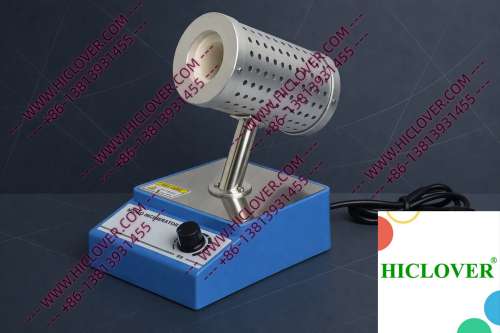
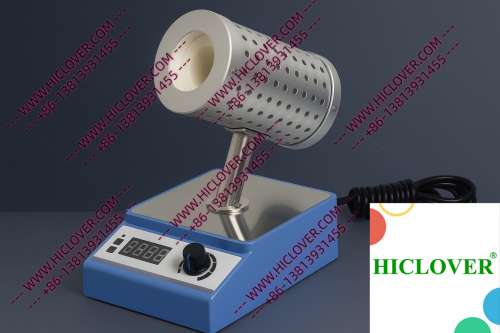
The Infrared Inoculating Loop Sterilizer operates on the principle of rapid thermal sterilization through infrared technology. This device utilizes a precisely controlled, enclosed ceramic tube that offers:
- Consistent Heating: Infrared heat ensures even and reliable temperature distribution.
- Aerosol-Free Handling: The closed design minimizes the risk of airborne pathogens during use.
- Rapid Sterilization: The device can heat inoculating loops to temperatures necessary for effective disinfection in mere seconds.
This combination of features not only streamlines the workflow but significantly enhances contamination control compared to traditional flame sterilizers.
Applications in Real Laboratories
Scenario 1: Teaching Labs
In university teaching labs, where students often handle pathogenic microorganisms, micro incinerators are invaluable. Students can safely sterilize inoculating loops in a clean-bench-safe environment, ensuring compliance with biosafety regulations. The quick heating time allows for smooth transitions during practical sessions without causing disruptions, promoting a conducive learning atmosphere.
Scenario 2: Field Testing Labs
Field testing labs operating in remote locations, such as those deployed for disease outbreak response, benefit immensely from portable micro incinerators. These devices provide an efficient means of sterilization without the need for extensive equipment or resources. Their ability to function without an open flame allows researchers to conduct tests in containment scenarios that are sensitive to contamination, making them ideal for epidemiological investigations.
Compliance and Environmental Considerations
As global health standards evolve, compliance with WHO biosafety guidelines becomes essential for every laboratory. The Micro Incinerator aligns with stringent lab sterilization standards by:
- Eliminating the need for flame-based sterilization, which is often unsuitable for clean rooms.
- Providing a quick and effective means of sterilization that met regulatory requirements.
- Minimizing environmental impact by reducing the need for disposable sterilization supplies.
In a country like Indonesia, where sustainable waste management is crucial, integrating micro incinerators can support governmental and environmental initiatives, transforming laboratory waste into manageable forms that pose less risk to public health.
Micro Incinerator vs. Traditional Flame Sterilizers
| Feature | Micro Incinerator | Flame Sterilizers |
|---|---|---|
| Heating Method | Infrared heating | Open flame |
| Safety | Aerosol-free, lower fire risk | Higher fire risk, potential for burning |
| Speed | Rapid sterilization in seconds | Inconsistent heating times |
| Environment | Less waste generation | Potential hazardous waste |
Frequently Asked Questions
1. How do micro incinerators improve laboratory safety?
Micro incinerators reduce the risk of fire hazards and airborne contaminants compared to traditional flame sterilizers, thereby enhancing overall laboratory safety.
2. Can micro incinerators be used in field settings?
Yes, micro incinerators are portable and designed for use in field testing labs, making them suitable for rapid sterilization in remote areas.
3. What is the certification for micro incinerators regarding international safety standards?
Micro incinerators comply with WHO biosafety guidelines and various laboratory sterilization standards to ensure safe and effective operation.
4. How does the Micro Incinerator compare to alcohol lamps?
The Micro Incinerator provides consistent, rapid sterilization without the fire hazards associated with alcohol lamps, making it a safer alternative.
5. What are the benefits of using infrared technology in sterilization?
Infrared technology allows rapid heating and consistent temperature control, which enhances the effectiveness of sterilization processes while minimizing risk.
Conclusion
The transition from traditional flame sterilizers to micro incinerators represents a significant advancement in laboratory practices, particularly in Indonesia. As the need for sustainable waste disposal methods increases, these innovative devices not only address immediate biosafety challenges but also promote a cleaner and safer working environment. To boost your laboratory’s performance and safety standards, consider adopting the Infrared Inoculating Loop Sterilizer in your sterilization workflows. Reach out today for more information on how to incorporate these advanced devices into your operations.
Categories:
Tags: