
In the fast-evolving landscape of laboratory practices in Japan, ensuring patient safety is paramount. Laboratories, particularly in healthcare settings, face significant biosafety challenges, including the risk of contamination and the need for effective sterilization methods. As hospitals and research facilities strive to streamline their sterilization workflow while maintaining high standards of cleanliness, the emergence of advanced laboratory sterilization equipment, specifically the Micro Incinerator or Infrared Inoculating Loop Sterilizer, offers a promising solution.
The Challenge of Laboratory Biosafety
Laboratories, especially those operating under Biosafety Level 2 (BSL-2) and higher, must adhere to stringent safety protocols to protect both personnel and patients. Traditional flame sterilization methods, such as alcohol lamps and Bunsen burners, pose several drawbacks, including:
- Risk of open flames, leading to potential accidents.
- Generation of aerosols that can carry pathogens.
- Inconsistent heating, which may result in inadequate sterilization.
These challenges necessitate innovative solutions capable of achieving rapid thermal sterilization while ensuring a clean and safe working environment.
Technical Principles of Infrared Loop Sterilizers
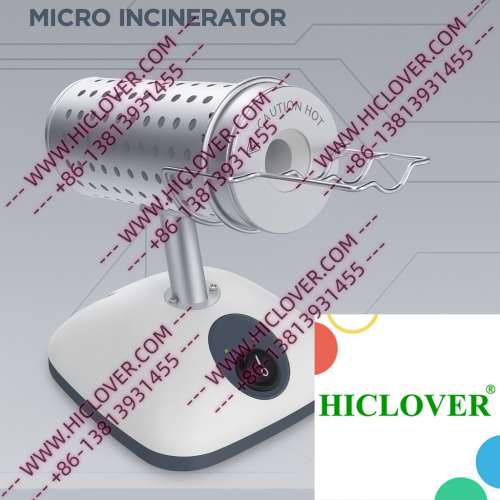
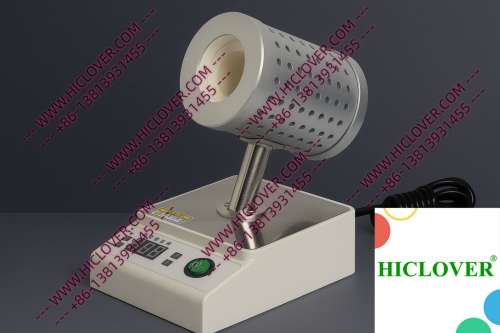
The Micro Incinerator, specifically designed for inoculating loop sterilization, operates on the principle of infrared high-temperature disinfection. Unlike traditional flame sterilizers, the Micro Incinerator utilizes an enclosed ceramic heating chamber that provides uniform and consistent heating. This technology ensures:
- Rapid Heating: The ceramic tube can reach high temperatures within seconds, allowing for quick turnaround times in swab and microbial transfer procedures.
- Clean-Bench-Safe Operation: The absence of open flames minimizes the risk of contamination and protects sterile areas like biosafety cabinets.
- Aerosol-Free Handling: Reduces the potential for aerosolized pathogens, enhancing laboratory safety.
Application Scenarios in Japanese Laboratories
Japanese hospitals and research centers are increasingly incorporating Micro Incinerators into their sterilization workflows. Here are two prevalent application scenarios:
1. Biosafety Cabinet Applications
In BSL-2 microbiology labs, biosafety cabinets provide a controlled environment for handling infectious agents. The use of Micro Incinerators within these cabinets allows laboratory personnel to swiftly sterilize inoculating loops and other instruments without compromising safety. By eliminating open flames, researchers can confidently manipulate samples and cultures, reducing the possibility of contamination.
2. University Teaching Labs
Educational institutions in Japan, such as universities with microbiology programs, also benefit from the use of Micro Incinerators. Students conducting experiments can focus on learning essential laboratory techniques without the uncertainties associated with traditional flame methods. The infrared sterilizer not only enhances safety but also streamlines the pedagogical process, promoting a hands-on approach to scientific research.
Compliance with Lab Sterilization Standards
Complying with international biosafety guidelines is crucial for laboratories in Japan. The World Health Organization (WHO) outlines specific protocols for safe laboratory practices, stating the need for effective sterilization methods to prevent cross-contamination. Using Micro Incinerators aligns with these standards by:
- Adhering to sterilization protocols without the risks associated with open flames.
- Ensuring equipment meets laboratory-specific sterilization standards.
- Enhancing overall safety in clinical diagnostics and teaching labs.
Furthermore, Japanese hospitals are bound by local regulations that necessitate sterile environments, particularly in surgical and critical care settings, where patient safety is at stake.
Comparison of Micro Incinerators vs. Traditional Flame Sterilizers
| Criteria | Micro Incinerator | Flame Sterilizer |
|---|---|---|
| Heating Method | Infrared Heat | Open Flame |
| Contamination Risk | Aerosol-Free | High Risk |
| Safety | Enclosed Design | Open Flame Hazards |
| Efficiency | Rapid Heating | Variable Heating |
| Compliance | Meets WHO Standards | May Not Meet All Standards |
Frequently Asked Questions (FAQs)
- What is a Micro Incinerator, and how does it work?
The Micro Incinerator is an advanced sterilization device that utilizes infrared heat to quickly and efficiently sterilize inoculating loops and other laboratory tools, ensuring a contamination-free environment. - What are the advantages of using a Micro Incinerator over traditional sterilizers?
Micro Incinerators offer numerous benefits, including reduced contamination risks, increased safety with enclosed designs, and rapid heating for efficient workflow. - Can a Micro Incinerator be used in a biosafety cabinet?
Yes, the Micro Incinerator is ideal for use within biosafety cabinets as it eliminates the risk associated with open flames, enhancing safety during manipulations. - Is the Micro Incinerator compliant with WHO and local sterilization standards?
Yes, the Micro Incinerator meets international WHO guidelines and local laboratory compliance standards, making it suitable for hospitals and research facilities.
Conclusion
In the realm of laboratory sterilization, particularly in Japanese hospitals, the advent of the Micro Incinerator/Infrared Inoculating Loop Sterilizer represents a significant milestone. With its ability to streamline sterilization processes, enhance safety, and comply with rigorous biosafety standards, this innovative device is a game-changer for laboratories concerned with patient safety and contamination control.
Is your facility ready to enhance its sterilization capabilities? Reach out today to explore our range of Micro Incinerators and take a step towards a safer, healthier laboratory environment.
Categories:
Tags: