
Laboratories across Melbourne are continually challenged by the need for optimal biosafety and sterilization protocols that effectively eliminate microbial contamination. These demands are heightened in environments handling pathogenic strains or those adhering to stringent compliance standards. As traditional methods like Bunsen burners and alcohol lamps present safety risks and efficiency limitations, the adoption of innovative laboratory sterilization equipment, such as Micro Incinerators and Infrared Inoculating Loop Sterilizers, is proving to be essential.
Understanding the Technical Principles Behind Micro Incinerators
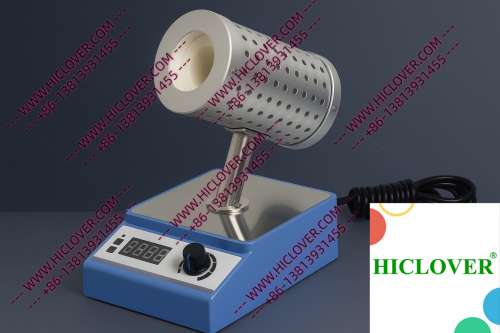
The Micro Incinerator operates on the principle of rapid thermal sterilization, utilizing infrared heat to achieve high temperatures in an enclosed ceramic tube. This design ensures efficient heating while providing a clean, flame-free operation. Unlike traditional flame sterilizers, which can produce contaminants or aerosols, the infrared method allows for contamination control in a safe manner, making it suitable for sensitive applications.
The enclosed heating element is capable of reaching temperatures well above 800°C in seconds, drastically reducing the time required for sterilization tasks. Meanwhile, the ceramic construction ensures that the unit remains durable and resistant to wear from prolonged exposure to extreme heat.
Applications of Micro Incinerators in Executive Labs
1. University Teaching Labs
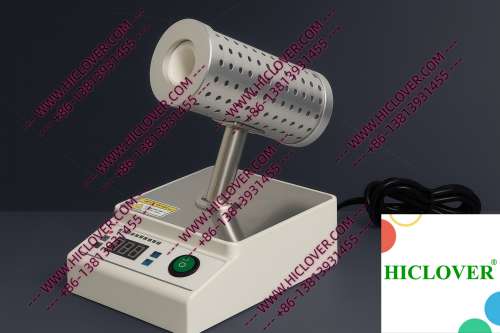
In university teaching laboratories, where practical hands-on learning is vital, the Micro Incinerator enhances the educational experience by providing a safe sterilization method. Students learning microbiological techniques can use the device within a biosafety cabinet without the risks associated with open flames. This ensures a controlled environment for the handling of cultures, leading to better adherence to laboratory protocols.
2. BSL-2 and BSL-3 Microbiology Labs
Research facilities operating at BSL-2 and BSL-3 levels require highly sophisticated sterilization methods to protect researchers from exposure to potentially harmful organisms. The Micro Incinerator’s ability to operate without flames enhances safety, preventing the risk of fire in environments compliant with strict biosafety regulations.
- High-efficiency sterilization of inoculating loops, needles, and other tools.
- Compact design allows for easy placement in limited laboratory spaces.
- Reduction of aerosol contamination risks during microbial handling.
Compliance and Environmental Considerations
Compliance with established biosafety standards is critical for all laboratory operations. According to the World Health Organization (WHO), strict laboratory sterilization standards must be followed to prevent cross-contamination and ensure a safe working environment. Traditional flame-based devices can pose several risks in cleanroom settings, as they release aerosols and could ignite flammable materials.
Micro Incinerators, on the other hand, are designed to meet lab sterilization standards, enabling labs to function effectively while complying with regulations, leading to a safer workplace for researchers. Moreover, the elimination of flame-based methods reduces the carbon footprint associated with laboratory operations, aligning with environmental sustainability goals.
Comparison of Micro Incinerators vs. Traditional Flame Sterilizers
| Feature | Micro Incinerator | Flame Sterilizer |
|---|---|---|
| Temperature Control | Infrared technology with precise temperature settings | Variable, often difficult to control |
| Safety | Flame-free operation minimizes fire risks | Open flames can pose significant fire hazards |
| Aerosol Generation | No aerosols produced during operation | Aerosols can be generated, increasing contamination risk |
| Usability | Easy to use in various laboratory environments | Requires careful handling and setup |
Frequently Asked Questions (FAQs)
What is a Micro Incinerator?
A Micro Incinerator is a laboratory sterilization device that uses infrared heat to rapidly and effectively sterilize tools and equipment without the use of open flames.
Why should I choose a Micro Incinerator over a traditional flame sterilizer?
Micro Incinerators provide enhanced safety, faster sterilization times, and reduce the risk of fire and aerosol contamination, making them a more efficient choice for modern laboratories.
Can Micro Incinerators be used in teaching labs?
Yes, they are particularly suited for teaching labs where safety is paramount, allowing students to learn critical sterilization techniques without the risks associated with flames.
Are there specific biosafety compliance standards for Micro Incinerators?
Micro Incinerators comply with various laboratory sterilization and biosafety standards, including those set by the WHO and other relevant authorities. They are ideal for BSL-2 and BSL-3 environments.
How do I maintain a Micro Incinerator?
Regular maintenance involves cleaning the ceramic tube and ensuring proper electrical connections. Refer to the manufacturer’s guidelines for specific maintenance protocols.
Conclusion
Micro Incinerators represent a significant advancement in laboratory sterilization equipment, offering numerous benefits that align with the growing biosafety demands of Melbourne’s research facilities. Their enhanced safety, efficiency in sterilization, and compliance with international standards make them an invaluable addition to any laboratory. For those interested in optimizing their laboratory practices, we invite you to explore our range of Micro Incinerators. Contact us today to enhance your sterilization workflow.
Categories:
Tags: