
In the fast-evolving sphere of laboratory biosafety, the pressing needs for effective sterilization equipment are clear. Laboratories across the globe, especially in Cape Town University and its surrounding research centers, face unique challenges surrounding contamination control and operational efficiency. The traditional methods of sterilization, such as Bunsen burners and alcohol lamps, are increasingly being replaced by more advanced technologies like the Micro Incinerator or Infrared Inoculating Loop Sterilizer.
Practical Challenges in Laboratory Biosafety
Managing biosafety in laboratory environments often requires stringent sterilization protocols. As research operations expand, the stakes of handling infectious agents increase significantly, particularly in BSL-2 and BSL-3 laboratories where microbial particles represent real threats to both personnel health and experimental integrity. Quick, effective sterilization methods are paramount to avoiding the catastrophic repercussions of contamination.
Technical Principles of Micro Incineration
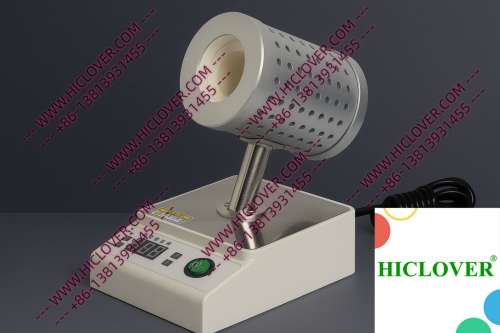
The Micro Incinerator utilizes an innovative infrared heating mechanism which enables rapid thermal sterilization without the fire hazards commonly associated with open flame devices. At its core, this sterilizer features an enclosed ceramic heating chamber, capable of reaching high temperatures within seconds.
- Infrared Heat: Engages in rapid sterilization without the risk of combustion.
- Ceramic Heating Chamber: Ensures even heat distribution, enhancing the sterilization efficiency.
- Aerosol-Free Handling: Mitigates contamination risk by eliminating open flames.
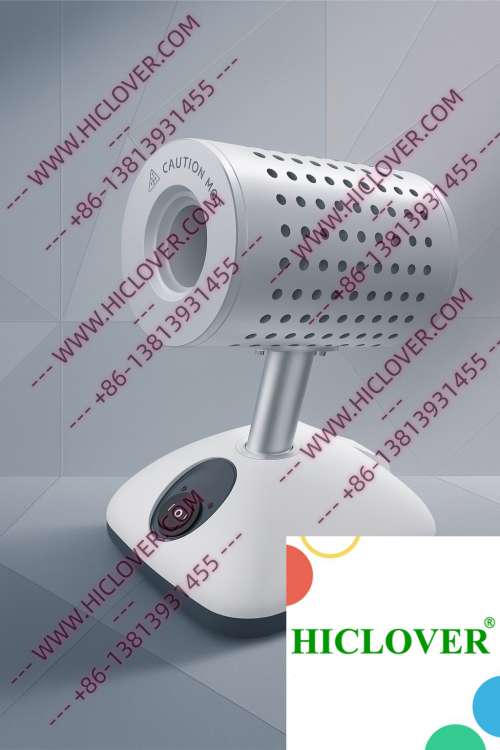
These features collectively contribute to a cleaner, safer working environment while drastically reducing the time typically required for sterilization. Unlike traditional flame sterilizers, the Micro Incinerator is particularly advantageous in sensitive environments such as clean rooms or field testing labs, where control over contamination is paramount.
Application Scenarios in Real Labs
1. Teaching Laboratories
In university teaching laboratories, the Micro Incinerator serves as an essential tool for microbiology students learning to cultivate microorganisms safely. With increased adherence to biosafety practices, the implementation of non-flame sterilization tools demonstrates not just compliance but also instills a culture of safety and responsibility among future scientists. Instead of conventional alcohol lamps, students utilize the Micro Incinerators, which ensure proper sterilization while effectively eliminating the risk of fire hazards during practical lab sessions.
2. Field Testing Labs
In mobile and field testing environments, where accessibility and safety standards are paramount, the Micro Incinerator thrives. Research teams conducting studies in remote locations can efficiently sterilize their inoculating loops or other essential tools on-site without heavy equipment. The compact design allows easy transport and the rapid sterilization process means minimal downtime, making it easier to maintain workflows during crucial field operations.
Compliance and Environmental Standards
The World Health Organization (WHO) establishes clear guidelines for laboratory sterilization, particularly in environments handling infectious materials. The typical biosafety guidelines demand robust procedures for contamination control. Micro Incinerators align seamlessly with these compliance requirements by offering a sterilization method that adheres to stringent regulations while ensuring that no harmful emissions enter clean rooms. This mitigates contamination risks while supporting only safe, clean procedures for laboratory professionals.
Why Micro Incinerators Are Essential: Key Advantages Over Traditional Flame Sterilizers
| Feature | Micro Incinerator | Flame Sterilizers |
|---|---|---|
| Safety | No open flame, reduced risk of fire | Open flames present fire hazards |
| Sterilization Time | Rapid thermal sterilization in seconds | Longer time due to flame preparation and cooling |
| Contamination Control | Aerosol-free handling | Potential for aerosolization of pathogens |
| Ease of Use | Simple operation and maintenance | Requires knowledge and caution to operate safely |
Frequently Asked Questions
What is a Micro Incinerator used for?
A Micro Incinerator is primarily utilized for rapid thermal sterilization of inoculating loops, needles, and other laboratory tools, providing a flame-free alternative that promotes safety and efficiency.
How does a Micro Incinerator differ from a Bunsen burner?
Unlike Bunsen burners, which produce open flames and carry higher risks of contamination and fire hazards, Micro Incinerators use enclosed ceramic heating chambers to offer safe and effective sterilization with rapid heat without flame exposure.
Are Micro Incinerators compliant with WHO guidelines?
Yes, Micro Incinerators align with WHO biosafety standards, being designed to mitigate contamination risks while maintaining high sterilization efficacy suitable for laboratory environments handling infectious agents.
Conclusion
As research continues to thrive in regions like Cape Town, the need for advanced sterilization solutions like the Micro Incinerator becomes increasingly clear. With implications for both laboratory compliance and operational efficiency, this innovative technology represents not just the future of sterilization but a necessary evolution in laboratory safety practices. To learn more or to procure a Micro Incinerator for your lab, please contact us for personalized assistance
Categories:
Tags: