
In the environmentally conscious world of today, the management of laboratory waste presents significant challenges, particularly in developing regions like Tanzania. Traditional disposal methods often lead to environmental hazards and health risks. With the growing emphasis on biosafety, laboratories are increasingly looking for effective solutions to address sterilization workflow demands while minimizing their ecological footprint. Enter the Micro Incinerator: an innovative tool that simultaneously enhances laboratory sterilization processes and serves as a waste-to-energy solution, transforming trash into power.
Biosafety Challenges and Laboratory Workflow Demands
Laboratories engaged in clinical diagnostics, microbiology, and educational training face persistent biosafety challenges, especially regarding sterilization of tools and waste. Contamination control is paramount in BSL-2 and BSL-3 microbiology labs where hazardous microorganisms are handled. Traditional methods, such as Bunsen burners and alcohol lamps, present safety concerns, including open flames and flammable materials, which can compromise sterile environments.
Moreover, in regions with limited infrastructure, such as areas in Tanzania, reliable sterilization solutions are necessary to uphold compliance with international biosafety standards. The advent of the Micro Incinerator revolutionizes this aspect, providing a rapid, efficient, and safe method for sterilization.
Technical Working Principle
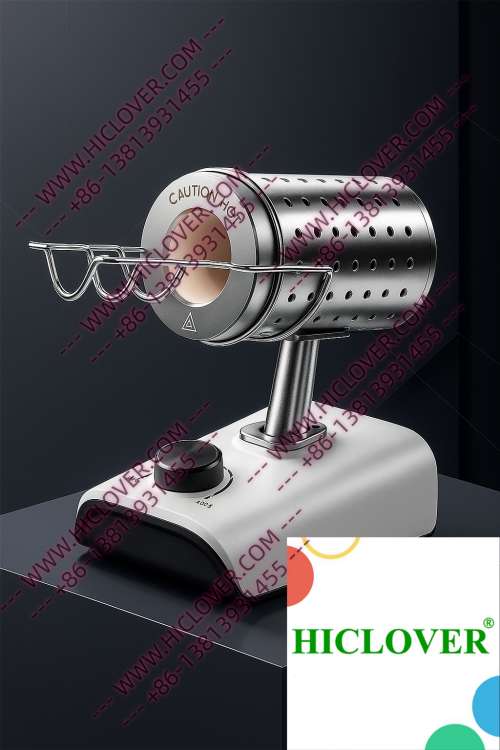
The core advantage of the Micro Incinerator lies in its advanced design and operational principle. Utilizing infrared heat emitted from enclosed ceramic tubes, this equipment ensures high-precision thermal sterilization while eliminating additional contaminating agents. The enclosed ceramic heating chamber prevents aerosol formation and minimizes the risk of cross-contamination.
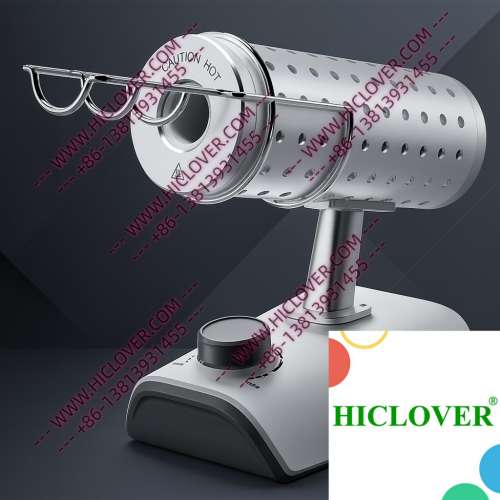
The Micro Incinerator / Infrared Inoculating Loop Sterilizer delivers up to 1000 degrees Celsius within seconds. This rapid thermal sterilization technique not only enhances handling efficiency but also complies with stringent laboratory safety standards. The compact design makes it easily portable for field testing, particularly useful in **mobile labs** and teaching environments.
Applications in Laboratory Settings
- Biosafety Cabinets: Micro Incinerators fit seamlessly into biosafety cabinets, ensuring that any equipment or tools exposed to biological materials are sterilized without compromising the sterile field.
- Field Testing: In remote areas, these incinerators serve as invaluable assets for on-site sterilization, allowing healthcare workers to perform safe medical procedures while adhering to proper waste disposal protocols.
- Teaching Labs: Educational institutions benefit from using Micro Incinerators in microbiology teaching labs, facilitating hands-on training in safe practices for microbiological sterilization.
Regulatory Compliance and Environmental Impact
The integration of Micro Incinerators aligns well with WHO biosafety standards and other laboratory sterilization guidelines. The equipment supports zero-flame operation in clean rooms, entirely eliminating risks associated with traditional flame sterilizers. Its efficient waste disposal capability not only reduces waste volume but also serves as a renewable energy source, making it an environmentally sustainable alternative.
By adopting innovative sterilization technologies like this, research centers and hospitals can enhance overall lab efficiency while improving compliance with environmental regulations. In the context of Tanzania, where waste management is a pressing issue, Micro Incinerators offer a dual advantage of effective sterilization and reduced environmental impact—turning waste into a resource for energy.
Comparison: Micro Incinerator vs. Traditional Flame Burners
| Feature | Micro Incinerator | Flame Burners |
|---|---|---|
| Heat Source | Infrared Technology | Open Flame |
| Efficiency | Rapid Thermal Sterilization | Slower, Dependent on Fuel |
| Risk of Contamination | Aerosol-Free Handling | Increased Risk of Aerosols |
| Safety in Use | No Open Flames | Potential Fire Hazard |
| Energy Source | Waste-to-Energy | None |
FAQs about Micro Incinerators
- What is the primary purpose of a Micro Incinerator?
- The primary purpose of a Micro Incinerator is to safely sterilize laboratory tools and biological waste through high-temperature thermal sterilization.
<dt>How does the Micro Incinerator ensure contamination control?</dt>

<dd>Using an enclosed ceramic heating chamber, it prevents aerosol generation, thereby maintaining a sterile environment during sterilization.</dd>
<dt>Can Micro Incinerators be used in field testing environments?</dt>

<dd>Yes, their portability and efficiency make them ideal for field testing labs, especially in remote locations.</dd>
<dt>What makes Micro Incinerators environmentally friendly?</dt>

<dd>They turn biological waste into energy, reducing waste volume and complying with environmental sustainability standards.</dd>
<dt>Are Micro Incinerators compliant with international biosafety regulations?</dt>

<dd>Yes, they are designed to meet WHO biosafety standards and other relevant sterilization regulations.</dd>
Conclusion
As the world shifts towards sustainable practices in laboratory operations, the adoption of Micro Incinerators represents a major leap forward. Not only do they provide exceptional sterilization capabilities, but they also address waste management issues by converting trash into energy. For distributors, hospitals, universities, and research centers seeking advanced sterilization solutions, investing in high-quality Micro Incinerators is a step towards ensuring laboratory safety, efficacy, and environmental responsibility.
For more information on how the Micro Incinerator can enhance your laboratory operations or to discuss purchasing options, contact us today!
Categories:
Tags: