
Maintaining laboratory biosafety remains a formidable challenge in Nigeria’s healthcare landscape, especially in resource-limited settings. The need for effective sterilization protocols is heightened due to the rising number of clinics handling clinical diagnostics and microbiological testing. As the demand for efficient sterilization workflows escalates, the introduction of portable loop sterilizers—specifically Micro Incinerators and Infrared Inoculating Loop Sterilizers—offers a significant technological advancement for ensuring contamination control in various laboratory environments.
The Technical Principle Behind Micro Incinerators
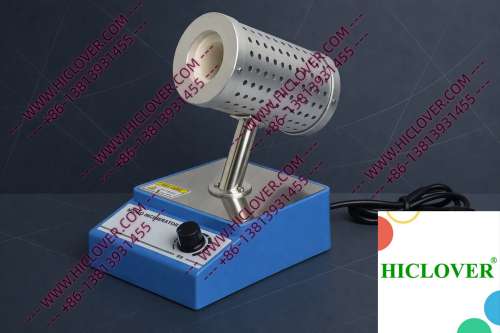
Micro Incinerators utilize infrared heat generated within an enclosed ceramic tube to achieve rapid thermal sterilization. This design allows for the targeting of heat directly to inoculating loops or other sterilization instruments without the need for open flames, which can pose safety risks and introduce contamination risks in sensitive lab environments.
Key Features:
- Rapid thermal sterilization within seconds.
- Clean-bench-safe due to its flame-free operation.
- Minimal aerosol emission for improved biosafety.
Application Scenarios in Real Labs
The versatility of Micro Incinerators is evident in a variety of laboratory settings:
1. Biosafety Cabinets
In BSL-2 and BSL-3 microbiology labs, where the risk of pathogen exposure is higher, Micro Incinerators are essential. Their enclosed heating chambers allow for safe sterilization of inoculating loops while working under a biological safety cabinet (BSC), preventing the potential spread of aerosols.
2. Mobile or Field Testing Labs
Portable sterilizers excel in field testing scenarios, particularly during outbreak investigations or remote testing setups. Without the logistical complexity of transporting fuel for flame burners, healthcare professionals can easily achieve effective sterilization in various environments.
Compliance with International Biosafety Standards
Global health organizations such as the WHO emphasize strict adherence to biosafety guidelines to prevent laboratory-acquired infections. The Micro Incinerator’s flame-free operation ensures compliance with laboratory sterilization standards, reducing the risk of accidents associated with alcohol lamps and Bunsen burners in clean rooms. Furthermore, its design allows for safe handling in teaching labs, mitigating the risk of younger students being exposed to flames.
Comparison: Micro Incinerator vs. Traditional Flame Sterilizers
| Feature | Micro Incinerator | Flame Sterilizers |
|---|---|---|
| Heat Source | Infrared | Open Flame |
| Safety | Clean-bench-safe | Risk of Accidental Fires |
| Efficiency | Rapid (Seconds) | Variable (Depends on Skill) |
| Aerosol Emission | Minimal | High |
Cost-Effectiveness and Environmental Impact
Beyond ensuring laboratory safety, the operational efficiency of Micro Incinerators reduces costs through lower energy consumption and decreased waste generation. In Nigeria, where healthcare resources are often strained, the ability to maintain high sterilization standards using sustainable methods is a significant advantage for both laboratory buyers and the environment.
FAQs
- What is a Micro Incinerator?
A Micro Incinerator is a portable sterilization device that uses infrared technology to heat inoculating loops or other equipment, achieving efficient sterilization without an open flame. - How does it improve safety in laboratories?
By eliminating open flames, Micro Incinerators minimize the risk of fire hazards and contamination, making them ideal for sensitive environments. - Can these sterilizers be used in field laboratories?
Yes, their lightweight and portable design makes them perfect for mobile laboratory settings, including field testing and outbreak investigations. - What are the compliance benefits of using Micro Incinerators?
These devices align with WHO biosafety standards, ensuring safe operation in both clean rooms and instructional settings, thus reducing the risk of accidental exposure to pathogens. - How quickly can inoculating loops be sterilized?
The sterilization process is typically completed in seconds, enhancing laboratory workflow efficiency.
Conclusion
As Nigeria’s clinics evolve to meet modern health challenges, the adoption of advanced sterilization technology like Micro Incinerators plays a pivotal role in ensuring safety on-the-go. By integrating this portable sterilizer into laboratory practices, healthcare providers can improve compliance with international biosafety standards and enhance their overall operational efficiency. Don’t settle for outdated flame sterilizers—explore our high-quality Micro Incinerators today and elevate your laboratory safety protocols to the next level!
Categories:
Tags: