
Laboratory research has evolved significantly, yet the fundamental challenges of contamination control and biosafety remain. In university research labs, escalating safety mandates alongside workflow efficiency make robust sterilization equipment indispensable. The Micro Incinerator, particularly the Infrared Inoculating Loop Sterilizer, addresses these critical demands seamlessly.
Addressing Laboratory Biosafety Challenges
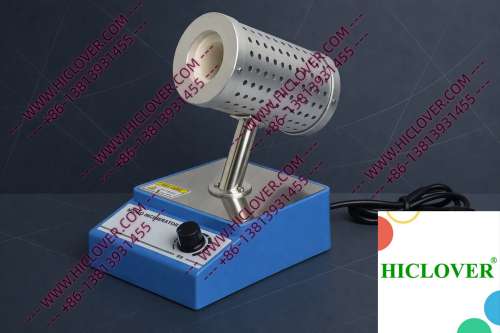
Universities are breeding grounds for groundbreaking research, but they also host a myriad of biosafety challenges. How can researchers ensure that their works are conducted under optimal sterile conditions? With increasing pathogens and a focus on stringent biosafety levels, laboratories require devices that can provide rapid thermal sterilization without impacting laboratory workflows.
Traditional flame sterilizers such as alcohol lamps and Bunsen burners raise safety concerns and complicate compliance in cleanroom environments. The Infrared Inoculating Loop Sterilizer eliminates the need for open flames while ensuring a sterilization process that is rapid and effective.
How Micro Incinerators Work
The technical principle behind the Micro Incinerator is based on infrared heat, harnessed within an enclosed ceramic tube that produces targeted high temperatures. This is critical in environments where aerosol-free handling is essential. Instead of using a direct flame, the ceramic heating chamber allows for the local generation of intense heat needed for disinfection without ignition risks to surrounding materials.
Operated with precision, these devices reach temperatures that are sufficiently high to achieve rapid sterilization in just a few seconds, making them ideal for busy university labs that require efficiency and reliability. Additionally, the clean-bench-safe design ensures that sensitive laboratory environments are maintained.
Application Scenarios in Real Labs
Biosafety Cabinets
In BSL-2 and BSL-3 microbiology labs, researchers frequently encounter pathogens that pose significant health risks. The Micro Incinerator provides a crucial tool for sterilizing inoculating loops, especially within biosafety cabinets where cross-contamination must be eliminated. Researchers can efficiently disinfect instruments without exposing themselves to dangerous aerosols or direct flames, preserving both personal and environmental safety.
Education in University Teaching Labs
In university teaching labs, where students learn through hands-on experience, the need for safe yet effective sterilization techniques is paramount. The Micro Incinerator empowers educators by providing a simple and reliable method to demonstrate sterilization processes without the complexities and hazards involved with flame sterilizers. Students can focus on learning microbiology rather than worrying about the risks associated with open flames.
Biosafety Compliance and Environmental Considerations
Adherence to biosafety regulations like those set forth by the WHO is critical in laboratory settings. Compliance demands that labs maintain clean and safe environments, and Micro Incinerators facilitate this need. With no open flames present, these devices significantly lower the risk of fire hazards, making them suitable for cleanroom operations. Furthermore, with a growing global emphasis on environmentally friendly laboratory practices, micro incinerators align well with sustainability goals, utilizing minimal energy compared to traditional flame sterilizers.
Many regions, such as *California* and *Europe*, have stringent sterilization standards that the Infrared Inoculating Loop Sterilizer meets. This ensures that institutions are not only operating within legal guidelines but also promoting safety and efficiency.
Why Choose Micro Incinerators Over Traditional Flame Sterilizers?
| Feature | Micro Incinerator | Flame Sterilizers |
|---|---|---|
| Safety | Flame-free operation | Open flames present fire risks |
| Efficiency | Rapid thermal sterilization | Longer sterilization times |
| Portability | Compact design | Bulky and often fixed-location |
| Environmental Impact | Minimal energy use | More energy-consuming |
Frequently Asked Questions
- What is a Micro Incinerator used for?
Micro Incinerators are primarily used for sterilizing inoculating loops, needles, and other lab equipment without the use of flames. - How does the Infrared Inoculating Loop Sterilizer work?
This device uses infrared heat generated from a ceramic tube to achieve rapid sterilization. - Are Micro Incinerators safe to use in cleanrooms?
Yes, they are designed specifically to minimize aerosol generation and eliminate fire hazards, making them ideal for cleanroom applications. - What are the advantages of using a Micro Incinerator over a Bunsen burner?
Micro Incinerators offer enhanced safety, rapid sterilization, and reduced energy consumption. - How can I ensure compliance with biosafety standards?
By using Micro Incinerators, labs can maintain compliance with WHO biosafety standards and avoid issues with flammable open flames.
Conclusion
In summary, Micro Incinerators play a pivotal role in fostering safer and more efficient laboratory environments in university research labs. With their innovative design, they not only comply with stringent biosafety standards but also enhance productivity. If you’re interested in upgrading your laboratory sterilization equipment or enhancing your research capabilities, do not hesitate to reach out to us for more information. Optimize your lab’s sterilization practices and ensure a contamination-free workspace with our state-of-the-art Micro Incinerators.
Categories:
Tags: