
In laboratories, particularly those dealing with microbial cultures or tissue cultures, the challenges of contamination are ever-present. Ensuring a sterile environment is critical for accurate results and maintaining biosafety. Traditional flame sterilizers, while commonly used, can introduce their own risks, including heat damage to sensitive materials, air turbulence, and the potential for producing harmful aerosols. Thus, there is a growing demand for more effective laboratory sterilization equipment, such as the Micro Incinerator or Infrared Inoculating Loop Sterilizer.
Understanding Micro Incinerators: Operating Principles
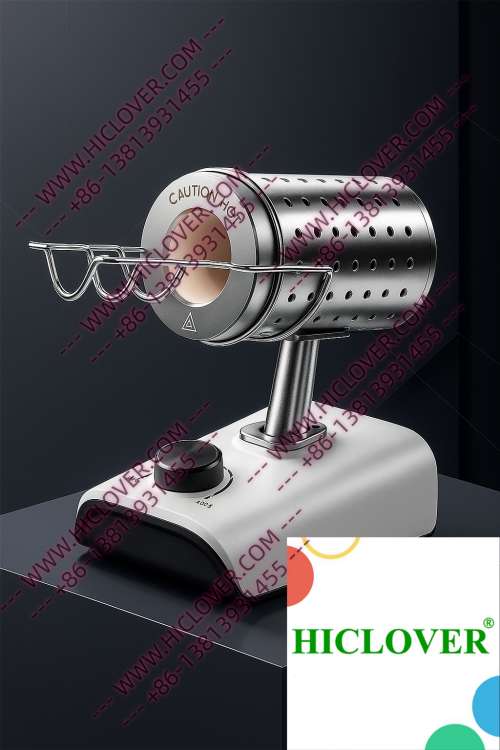
The Micro Incinerator is designed to offer rapid thermal sterilization, a method that utilizes infrared heat to achieve high-temperature disinfection in a controlled manner. This sterilizer is typically fitted with an enclosed ceramic heating chamber that ensures reliable heat application while preventing outside contamination. Unlike open flame systems, which disperse heat unpredictably and can create air movement that introduces contaminants into the sterile field, the Micro Incinerator operates quietly and effectively, maintaining a clean environment and facilitating aerosol-free handling.
Applications in Real Laboratory Settings
1. BSL-2 and BSL-3 Microbiology Labs
In biosafety level 2 (BSL-2) and level 3 (BSL-3) microbiology laboratories, maintaining contaminant-free zones is paramount. The Micro Incinerator’s rapid sterilization capabilities allow technicians to efficiently sterilize inoculating loops and other implements between procedures. This is critical for preventing cross-contamination during experiments involving pathogenic microorganisms, thus safeguarding both the laboratory personnel and external environments.
2. University Teaching Labs
Within educational settings, such as university biology and microbiology courses, students frequently undertake hands-on experiments that require sterile techniques. Here, the Micro Incinerator proves invaluable by simplifying the sterilization workflow. Students can quickly sterilize loops and needles in a matter of seconds, thereby maximizing lab time and minimizing learning disruptions. This instills proper sterilization practices from an early stage in their academic careers.
Compliance and Environmental Considerations
Adhering to biosafety standards is a fundamental requirement for all laboratories. The World Health Organization (WHO) outlines comprehensive biosafety guidelines, underscoring the importance of preventing contamination and ensuring safe handling of pathogens. Among the protocols recommended is limiting the use of open flames in clean rooms — a primary advantage of infrared inoculating loop sterilizers. By transitioning to Micro Incinerators, laboratories can maintain safety compliance while optimizing their sterilization processes, greatly reducing the risk of accidental ignition or aerosol generation in clean environments.
Advantages of Micro Incinerators vs. Traditional Flame Sterilizers
The shift from traditional flame sterilizers, such as alcohol lamps or Bunsen burners, to modern Micro Incinerators reveals several advantages:
- Enhanced Safety: Eliminates the risk of uncontrollable flames and potential burns.
- Efficiency: Rapid heating reduces wait times for sterilization, allowing for a smoother workflow.
- Reduced Contamination Risk: No open flames mean minimal air turbulence, resulting in a cleaner working environment.
- Uniform Heat Distribution: The enclosed design ensures consistent heat application across instrument surfaces.
- Aerosol-Free Handling: Prevents the spread of aerosols, particularly in sensitive applications like tissue culture.
| Feature | Micro Incinerator | Flame Sterilizer |
|---|---|---|
| Safety | Highly secure with no open flames | Risk of burns and fire hazards |
| Efficiency | High-speed sterilization | Slow, requires time to ignite and stabilize |
| Contamination Control | Minimized risk of airborne contaminants | Inherent turbulence risks |
| Use Cases | Wide-ranging; ideal for sensitive labs | Limited to specific applications |
FAQs About Micro Incinerators
What are the main benefits of using a Micro Incinerator in a laboratory?
The primary benefits include enhanced safety, rapid sterilization, reduced contamination risk, and suitability for sensitive environments.
Can I use Micro Incinerators in a clean room setting?
Yes, they are specifically designed for clean rooms and BSL environments to meet strict sterility requirements.
How does infrared heating compare with traditional methods?
Infrared heating provides a more efficient and uniform heat application, which significantly reduces the risk of damaging sensitive materials.
What types of labs should consider using a Micro Incinerator?
Micro Incinerators are ideal for BSL-2 and BSL-3 laboratories, university teaching labs, and mobile or field testing environments.
Is it easy to clean and maintain a Micro Incinerator?
Yes, the design facilitates easy cleaning and routine maintenance, ensuring reliability and longevity of the device.
Conclusion: Embracing Advanced Sterilization Technologies
As laboratories increasingly prioritize biosafety and contamination control, the Micro Incinerator / Infrared Inoculating Loop Sterilizer stands out as an essential tool in modern laboratory settings. Whether it is in BSL-2 labs, educational institutions, or mobile testing units, the benefits of rapid thermal sterilization and unwavering operational safety are undeniable. For laboratory supply distributors, hospitals, and research institutions looking to enhance their sterilization processes, this equipment represents a solid investment. Reach out to us for inquiries or orders. Purify your practice with the Micro Incinerator today!
Categories:
Tags: