
In today’s fast-paced scientific environment, laboratory biosafety challenges are more pressing than ever. The rising need for contamination control and efficient sterilization workflows has led to a significant shift in how laboratories uphold cleanliness and safety standards. With stringent regulations and heightened awareness of biosafety protocols, French scientific facilities are increasingly turning to innovative sterilization solutions. Among them, the Micro Incinerator, or Infrared Inoculating Loop Sterilizer, is gaining traction, setting a new benchmark for laboratory sterilization equipment.
Understanding the Technical Principles of Infrared Sterilization
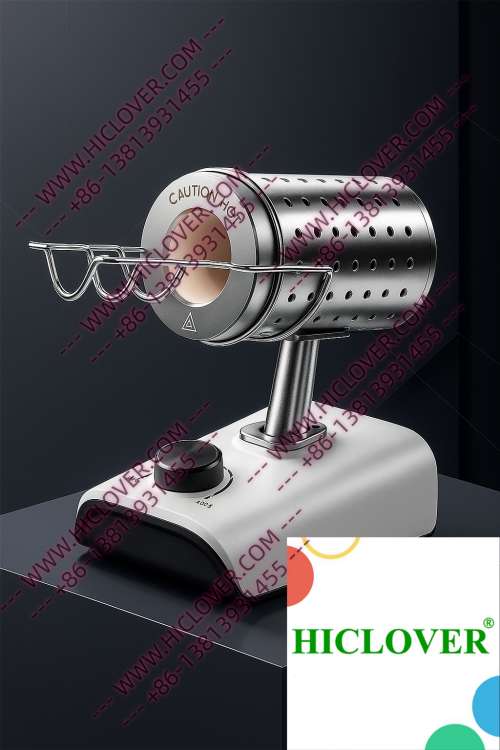
The Micro Incinerator operates on the principle of rapid thermal sterilization, utilizing infrared heat within a specially designed ceramic heating chamber. This method provides a highly efficient means to eliminate microorganisms without the disadvantages often associated with traditional flame sterilizers. With enclosed configurations, these devices operate at high temperatures while minimizing aerosol generation, making them more suitable for sensitive laboratory environments, including BSL-2 and BSL-3 microbiology labs.
Configurations of Micro Incinerators
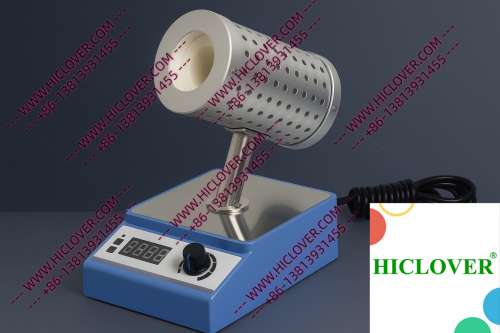
The design usually consists of an insulated body, a ceramic tube that generates infrared heat, and an easy-to-use ignition mechanism. When the metallic inoculating loops are inserted into the chamber, the infrared rays quickly elevate their temperature, ensuring effective microbial destruction. This configuration eliminates the need for an open flame, preserving a clean and contamination-free environment.
Application Scenarios in Real Labs
Biosafety Cabinets: Ensuring Safety and Efficiency
In high-stakes environments such as research laboratories or hospitals, the use of Micro Incinerators is critical. Within biosafety cabinets, where clean air flow and contamination control are paramount, these sterilizers provide an efficient way to decontaminate tools and instruments. Their aerosol-free handling protects lab personnel while ensuring that instruments are sterilized for safe use between experiments, thus maintaining the integrity of studies involving sensitive microbiological samples.
Field Testing: Portable and Reliable
French research teams often engage in field testing, necessitating portable sterilization solutions. The infrared inoculating loop sterilizer excels in this scenario due to its lightweight design and rapid sterilization capabilities. Researchers can confidently perform sampling in various environments—be it soil, water, or air—knowing they have effective sterilization equipment on-hand, minimizing risk and ensuring results are not compromised by contamination.
Compliance and Environmental Considerations
Compliance with established biosafety standards is critical for any laboratory equipment. The World Health Organization (WHO) emphasizes proper sterilization methods to prevent laboratory-acquired infections (LAIs). In addition, many scientific facilities are bound by regulations requiring that no flames be utilized in clean rooms or when working with biohazardous materials. The Micro Incinerator effectively satisfies these compliance measures while ensuring high safety standards are maintained.
Advantages Over Traditional Flame Sterilizers
- Safety: Reduces risks associated with open flames.
- Efficiency: Provides rapid thermal sterilization within seconds.
- Contamination Control: Minimizes aerosol production and maintains sterility of the environment.
- Portability: Lightweight designs make it ideal for field conditions.
- Environmental Compliance: Aligns with WHO and biosafety guidelines.
Comparison Table: Micro Incinerator vs. Flame Burners
| Feature | Micro Incinerator | Flame Burners |
|---|---|---|
| Heating Method | Infrared | Open Flame |
| Safety | Low Risk of Fire | High Risk of Burns |
| Speed of Sterilization | Seconds | Variable |
| Aerosol Generation | None | High |
| Portability | High | Low |
FAQs about Micro Incinerators
- What is a Micro Incinerator?
A Micro Incinerator, or Infrared Inoculating Loop Sterilizer, is a laboratory device that uses infrared heat for rapid sterilization of inoculating tools. - Can Micro Incinerators be used in biosafety cabinets?
Yes, they are designed to operate safely within biosafety cabinets, maintaining contamination control standards. - Are Micro Incinerators compliant with WHO regulations?
Indeed, they fulfill the necessary biosafety compliance guidelines set by WHO and other health organizations. - How quickly can a Micro Incinerator sterilize tools?
It typically requires only a few seconds for effective sterilization. - What are the advantages of using a Micro Incinerator over a traditional flame sterilizer?
Advantages include enhanced safety, reduced risk of contamination, and improved sterilization speed.
Conclusion
The adoption of Micro Incinerators in French scientific facilities highlights the ongoing evolution of laboratory sterilization practices. Their efficient, safe, and environmentally compliant design marks a significant departure from traditional flame sterilizers, embodying the future of sterilization technology. If you wish to elevate your lab practices with advanced sterilization solutions, consider exploring our selection of Micro Incinerators and contact our specialists today for further information.
Categories:
Tags: