
The evolving landscape of laboratory biosafety in Sweden presents both challenges and innovation in sterilization workflows. Laboratory professionals, particularly in clinical diagnostics and research sectors, require robust solutions for contamination control, ensuring rapid and reliable sterilization processes. Among these solutions, the adoption of Micro Incinerators and Infrared Inoculating Loop Sterilizers stands out as a pivotal advancement in sterilization technology, addressing traditional risks associated with flame-based methods.
Transforming Laboratory Sterilization
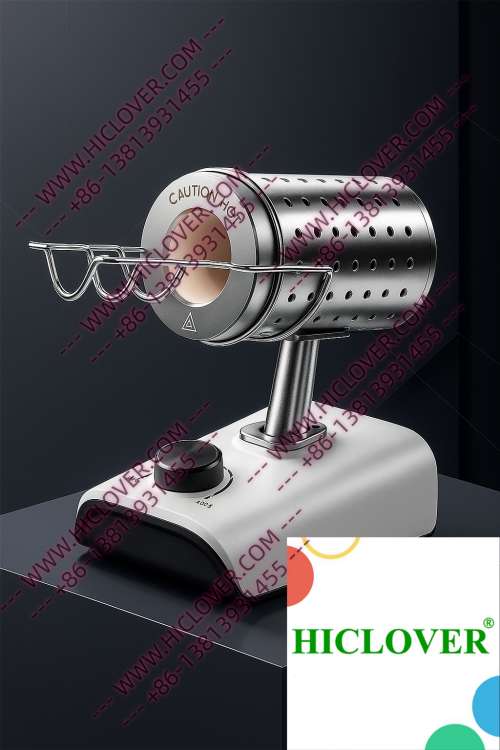
Micro Incinerators utilize infrared heat for high-temperature disinfection within an enclosed ceramic heating chamber. This innovative design allows for rapid thermal sterilization, eliminating the need for open flames that pose risks in cleanrooms and biosafety cabinets. The transformation from traditional alcohol lamps and Bunsen burners to these advanced sterilizers enhances workplace safety and efficiency, allowing researchers to focus on their scientific endeavors without the worry of contamination.
Applications in Real Laboratories
Micro Incinerators find use in diverse laboratory settings, demonstrating their versatility and effectiveness in maintaining biosafety standards. Here are two specific scenarios where these sterilizers are invaluable:
- Biosafety Cabinets: In BSL-2 and BSL-3 microbiology labs, the use of infrared inoculating loop sterilizers minimizes risk during the manipulation of pathogens. Their enclosed design ensures that aerosols are contained, providing a clean-bench-safe environment essential for working with infectious agents.
- Field Testing in Teaching Labs: For university teaching labs, where students conduct live experiments, implementing Micro Incinerators allows for mobility without compromising sterilization effectiveness. These devices deliver the same rigorous sterilization standards seen in laboratory settings, making them ideal for educational environments focused on microbiological safety.
-
What is the primary advantage of using a Micro Incinerator over a flame sterilizer?
The Micro Incinerator provides rapid thermal sterilization without the hazards associated with open flames, making it safer for cleanroom environments and reducing contamination risk.
-
Can a Micro Incinerator be used in field laboratories?
Yes, their compact and portable design allows Micro Incinerators to be effectively utilized in mobile testing labs while maintaining strict sterilization protocols.
-
Are there specific safety standards that Micro Incinerators comply with?
Micro Incinerators align with WHO biosafety guidelines and other international sterilization and contamination-control standards.
-
How does a Micro Incinerator help in educational settings?
Instructors can demonstrate effective sterilization techniques without exposing students to the risks associated with flame-based methods, promoting a safer educational environment.
-
What type of maintenance is required for a Micro Incinerator?
Routine cleaning of the ceramic heating chamber and ensuring that the electrical components are in good working order are typical maintenance practices necessary for longevity and performance.
Compliance with Biocontainment Standards
Adherence to international biosafety standards remains a crucial aspect of laboratory operations. The World Health Organization (WHO) mandates stringent biosafety protocols, particularly concerning laboratory sterilization practices. Micro Incinerators meet these compliance requirements by offering a design that prohibits flame exposure in sensitive cleanroom environments, thus improving safety and operational integrity.
Advantages Over Traditional Flame Sterilizers
Comparing Micro Incinerators to traditional flame sterilizers reveals significant advantages:
| Feature | Micro Incinerator | Flame Sterilizer |
|---|---|---|
| Safety | Flame-free; reduces aerosol production | Open flame; risk of ignition and contamination |
| Efficiency | Rapid thermal sterilization | Slower; requires cooling time |
| Portability | Compact and easy to transport | Requires stable surfaces; less portable |
| Operation Cost | Electric energy efficient | Consistent fuel costs and higher risk of equipment failure |
Frequently Asked Questions
Conclusion
The adoption of Micro Incinerators and Infrared Inoculating Loop Sterilizers in Sweden marks a significant step forward in surgical hygiene and laboratory safety. These advanced sterilization devices not only comply with rigorous biosafety standards but also elevate operational efficiency across diverse laboratory settings, from clinical diagnostics to teaching labs. By limiting the risks associated with traditional flame sterilizers, laboratories can adopt safer and more reliable practices in their sterilization workflows.
For those looking to enhance their laboratory operations with innovative sterilization solutions, consider reaching out today to explore how Micro Incinerators can transform your sterilization processes. Investing in laboratory safety is an investment in the future of science.
Categories:
Tags: