
In Bangladesh, as in many developing nations, the need for effective laboratory sterilization technologies is critical. Laboratories face a plethora of biosafety challenges while striving to meet stringent sterilization workflow demands. Traditional methods, such as flame sterilizers, present myriad risks, including contamination, improper sterilization, and hazardous conditions, particularly in labs dedicated to critical research and diagnostics.
The Revolution of Infrared Sterilization
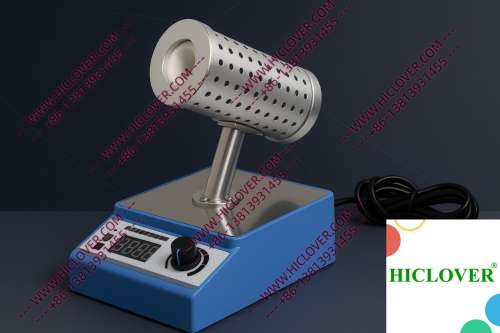
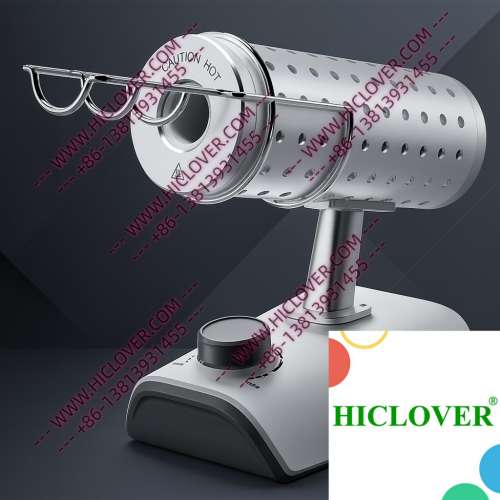
Enter the Micro Incinerator, a game-changer in the realm of sterilization equipment. Utilizing infrared heat within an enclosed ceramic tube, this device achieves rapid thermal sterilization without the risks associated with open flames. The high-temperature disinfection provided by micro incinerators ensures secure and effective sterilization of inoculating loops and tools.
- Infrared heaters reduce energy consumption.
- No need for flammable alcohol, enhancing safety.
- Rapid sterilization cycles increase lab throughput.
- Compact design improves laboratory space utilization.
- Aerosol-free handling protects users from harmful pathogens.
- What is the primary advantage of using a micro incinerator over traditional flame sterilizers?
The most significant advantage is enhanced safety, as micro incinerators do not use open flames, reducing the risk of fire and contamination. - Can micro incinerators be used in field laboratories?
Yes, their lightweight and portable design makes them ideal for mobile applications in various environments. - How does the sterilization process of a micro incinerator work?
The device uses infrared heat within a ceramic tube to perform rapid thermal sterilization, effectively eliminating contaminants. - What compliance standards do micro incinerators meet?
Micro incinerators comply with WHO biosafety guidelines and laboratory sterilization standards, making them suitable for various research settings. - Are micro incinerators suitable for all types of laboratory work?
While they are versatile, their use is particularly advantageous in microbiology labs, clinical diagnostics, and educational settings.
Applications in Diverse Laboratory Settings
The versatile nature of micro incinerators makes them suitable for various laboratory environments, including:
Biosafety Cabinets and Class II Labs
In BSL-2 and BSL-3 microbiology labs, where pathogen exposure risk is high, micro incinerators offer a clean-bench-safe alternative. Their enclosed design minimizes particulate dispersion, enabling researchers to maintain stringent contamination control while efficiently sterilizing equipment. The rapid thermal conditions provided by the infrared heating system ensure that tools are ready for immediate use, enhancing workflow without compromising safety protocols.
Field Testing Laboratories
In regions of Bangladesh where mobile or field testing labs operate under challenging conditions, the lightweight and portable configuration of micro incinerators becomes invaluable. These devices allow for quick and efficient sterilization of instruments in the field without the hazards associated with open flames. Consequently, they uphold the integrity of test results while improving the safety of scientific personnel working in unpredictable environments.
Compliance and Environmental Standards
Compliance with international health regulations is paramount, especially for labs that engage in clinical diagnostics or research involving pathogens. The World Health Organization (WHO) biosafety guidelines emphasize the importance of adopting technologies that minimize risk. Micro incinerators align with these standards, effectively performing sterilization processes that avoid the use of flame in clean rooms. These devices help laboratories achieve biosafety compliance while adhering to environmentally sound practices.
“Innovation in sterilization not only enhances lab efficiency but also contributes to the global standard of health-bound biosafety.”
Comparison: Micro Incinerator vs. Flame Burners
| Feature | Micro Incinerator | Flame Burners |
|---|---|---|
| Safety | No open flames, minimized risk of fire | Open flames, risk of burns and fire hazards |
| Speed | Rapid thermal sterilization | Variable depending on flame intensity |
| Versatility | Can be used in various lab settings | Limited to specific environments |
| Contamination Control | Aerosol-free handling | Potential for aerosol generation |
| Energy Efficiency | Lower energy consumption | Higher energy consumption |
Frequently Asked Questions
Conclusion
The integration of micro incinerators in Bangladesh’s research and medical laboratories is not merely a technological advancement; it is a significant step toward fostering safer, more reliable environments for scientific inquiry. By replacing traditional flame sterilizers with these innovative devices, laboratories can enhance efficiency, ensure compliance with international standards, and promote better environmental practices. If you are interested in upgrading your laboratory’s sterilization workflow, please do not hesitate to reach out for more information about our micro incinerator solutions. Join us in empowering communities for a healthier future!
Categories:
Tags: