
In recent years, Malaysia has faced significant challenges regarding plastic waste management, leading to complex biosafety concerns within laboratory environments. As plastic waste continues to rise, proper sterilization methods become increasingly essential in ensuring sterile workspaces, particularly for microbiology labs, clinical diagnostics, and educational institutions. One effective solution for this urgent need is the Micro Incinerator / Infrared Inoculating Loop Sterilizer, a sophisticated piece of laboratory sterilization equipment that provides a safe, efficient method of achieving rapid thermal sterilization without the risks associated with traditional flame sterilizers.
Understanding the Micro Incinerator: A Technical Overview
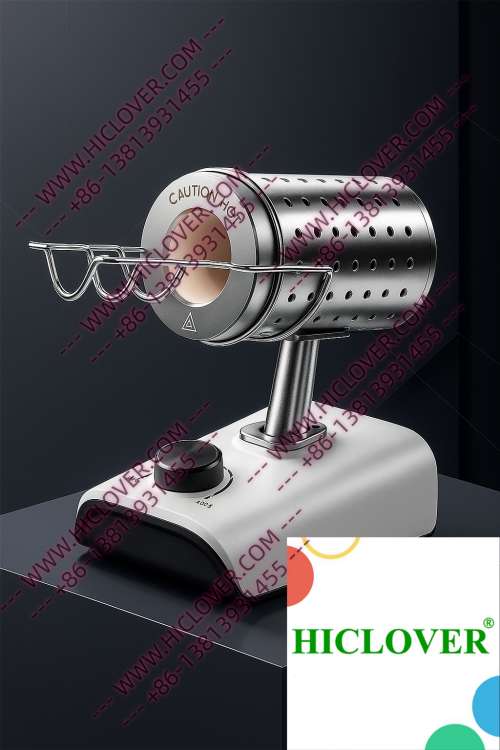
The Micro Incinerator utilizes advanced infrared heating technology, consisting of a ceramic heating chamber that reaches high temperatures quickly, typically exceeding 800°C. This enclosed heating method ensures exceptional thermal efficiency while minimizing energy use. Unlike flame sterilizers, which rely on open flames and can generate aerosols, the Micro Incinerator effectively eliminates microbial contamination while providing clean-bench-safe operations. Its design fosters aerosol-free handling, making it ideal for high-risk environments such as BSL-2 and BSL-3 microbiology labs and for applications where precision and safety are paramount.
Advantages Over Traditional Flame Sterilizers
- Safety: No open flames reduce the risk of hazardous reactions and accidental fires.
- Efficiency: The infrared system requires significantly less time to reach sterilization temperatures.
- Environmental Impact: Less energy consumption leads to a smaller carbon footprint in laboratory waste management.
- Ease of Use: Compact design and straightforward operation for laboratory staff facilitate seamless integration into sterilization workflows.
Application Scenarios in Real Labs
1. University Teaching Labs
In educational institutions across Malaysia, the Micro Incinerator is increasingly used for teaching laboratory courses on microbiology and other disciplines. Its quick and efficient sterilization process allows students to engage in hands-on experimentation without the risk of contamination from traditional methods. In these settings, instructors appreciate the ease of integrating the Micro Incinerator into sterilization protocols, allowing for a safer learning environment while reinforcing the importance of biosafety practices.
2. Field Testing Laboratories
Field testing labs often encounter unique biosafety challenges, especially when conducting environmental assessments or clinical diagnostics in remote areas. The Micro Incinerator’s portability and compact design make it a versatile solution for on-site sterilization needs. In this scenario, researchers can safely sterilize inoculating loops and other tools without the logistical limitations that come with flame-based sterilization methods, ensuring high standards of contamination control even outside conventional laboratory settings.
Compliance with Biosafety Standards
As Malaysia’s laboratories increasingly address biosafety and environmental compliance, adherence to guidelines set forth by organizations such as the World Health Organization (WHO) becomes essential. The Micro Incinerator’s design aligns with WHO biosafety recommendations and lab sterilization standards, allowing facilities to avoid the installation of fuel-based systems that might not meet strict environmental regulations. Furthermore, using a flame-free solution enhances lab safety, especially in clean room environments where ignition sources are a concern.
Biosafety Compliance Reference
Understanding the compliance landscape is crucial for laboratory managers to ensure high safety standards. The following table outlines key differences between the Micro Incinerator and traditional flame burners:
| Feature | Micro Incinerator | Flame Sterilizer |
|---|---|---|
| Open Flame | No | Yes |
| Energy Efficiency | High | Moderate |
| Operational Safety | High | Low |
| Temperature Control | Precise | Variable |
Frequently Asked Questions (FAQs)
What is a Micro Incinerator?
A Micro Incinerator is a specialized laboratory sterilization device that uses infrared heat to achieve rapid thermal sterilization, effectively eliminating microbial contamination while offering a safe and efficient alternative to traditional flame sterilizers.
How does it maintain safety in sensitive environments?
Micro Incinerators operate without open flames and produce less heat, significantly decreasing the risk of fire hazards and making them suitable for cleanroom environments and labs with strict biosafety requirements.
Can it be used in field testing situations?
Yes, the compact design of the Micro Incinerator makes it ideal for field testing labs, allowing researchers to effectively sterilize their tools in remote locations without the limitations associated with traditional sterilization methods.
What types of labs benefit most from using a Micro Incinerator?
Biosafety Level 2 and 3 labs, clinical diagnostics facilities, teaching laboratories, and mobile testing units all benefit from the enhanced safety and efficiency provided by the Micro Incinerator.
How does it compare in cost to traditional flame sterilizers?
While the initial investment in a Micro Incinerator may be higher than flame sterilizers, the long-term benefits, including safety, efficiency, and reduced environmental impact, can lead to substantial cost savings over time.
Conclusion: Elevate Your Laboratory Practices
As laboratories continue to confront significant biosafety challenges, the Micro Incinerator emerges as a practical solution to streamline sterilization processes and enhance safety. By choosing the Micro Incinerator / Infrared Inoculating Loop Sterilizer, laboratory managers and decision-makers can ensure a cleaner, safer environment for their operations while aligning with Malaysia’s environmental initiatives. To learn more about how the Micro Incinerator can fit into your sterilization workflow or to inquire about purchasing, please contact us today for more information.
Categories:
Tags: