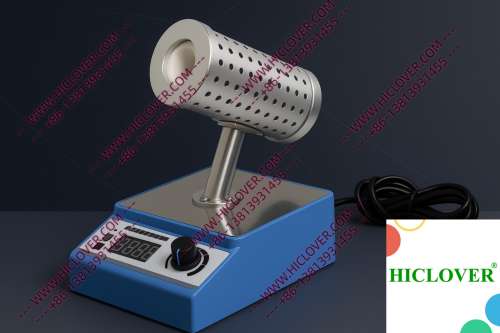
As laboratory professionals face increasing challenges in biosafety and sterilization workflows, the demand for effective and reliable sterilization solutions is ever-growing. In Egypt, where laboratory settings must adhere to stringent environmental and safety regulations, the introduction of micro incinerators has proven to be a game-changer. This article explores the role of the Micro Incinerator / Infrared Inoculating Loop Sterilizer in addressing these biosafety challenges, highlighting its technical principles, applications, compliance standards, and benefits over traditional sterilization methods.
Understanding the Micro Incinerator’s Principle of Operation
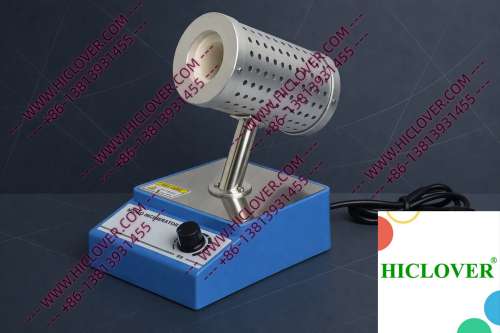
The Micro Incinerator employs advanced infrared heating technology within an enclosed ceramic tube, achieving rapid thermal sterilization. This high-efficiency heating mechanism allows the device to reach temperatures sufficient for high-temperature disinfection, effectively eradicating contaminants without the risk of aerosol generation. The design not only ensures safety by eliminating open flames—thus making it ideal for clean rooms and BSL-2 / BSL-3 microbiology labs—but also promotes ease of use in various laboratory conditions.
Advantages Over Traditional Flame Sterilizers
| Feature | Micro Incinerator | Flame Burners (e.g., Bunsen Burners) |
|---|---|---|
| Flame Safety | No open flame; suitable for clean benches | Open flame; risk of contamination |
| Sterilization Efficiency | Rapid thermal sterilization | Variable based on technique |
| Contamination Control | Aerosol-free handling | Potential aerosol generation |
| Design | Compact, lightweight design | Bulky, immobile |
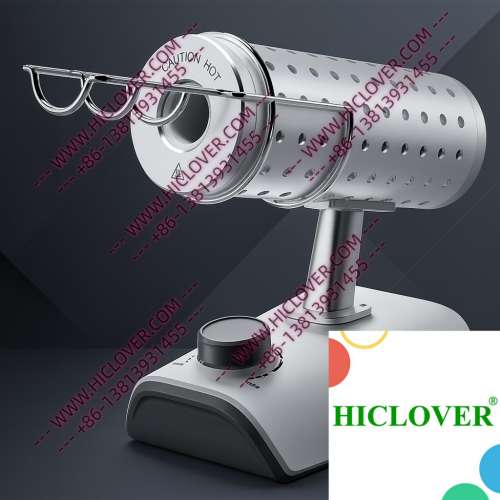
Applications of Micro Incinerators in Real Laboratory Settings
Micro incinerators find applications in various laboratory environments, including:
- Biosafety Cabinets: In controlled environments, micro incinerators provide a safe method to sterilize inoculating loops without creating airborne pathogens.
- Field Testing Labs: Mobile laboratories conducting environmental assessments can utilize micro incinerators for on-the-spot sterilization, ensuring compliance with biosafety standards.
- Teaching Laboratories: Universities and educational institutions benefit from integrating micro incinerators into the curriculum, promoting best practices in laboratory safety and sterilization.
Compliance and Environmental Considerations
Adhering to international biosafety standards is crucial for laboratories, especially in Egypt, where the environmental impact of laboratory waste is under scrutiny. The World Health Organization (WHO) sets guidelines for laboratory sterilization, advocating for the use of technologies that reduce the risk of contamination and promote environmental sustainability.
Traditional flame sterilizers can produce toxic gases and require strict supervision, whereas micro incinerators not only meet lab sterilization standards but also align with environmentally conscious practices, offering a cleaner alternative. The absence of an open flame makes them compliant with cleanroom protocols, vital for sensitive laboratory operations—especially when handling infectious agents.
FAQs about Micro Incinerators
- What is a Micro Incinerator?
A Micro Incinerator is a sterilization device that uses infrared heat to rapidly sterilize inoculation loops and other small tools in a compact and safe manner. - How is a Micro Incinerator different from traditional flame sterilizers?
Unlike traditional flame sterilizers, Micro Incinerators do not use an open flame, minimizing contamination risk and enhancing safety in complex laboratory environments. - Can Micro Incinerators be used in field testing?
Yes, Micro Incinerators are portable and ideal for field testing where rapid sterilization is essential. - Are Micro Incinerators compliant with WHO biosafety standards?
Yes, they are designed to meet and often exceed WHO guidelines for lab sterilization, ensuring safety and environmental protection. - What are the training requirements for using a Micro Incinerator?
Users should receive basic training in operational safety and proper sterilization techniques to fully leverage the device’s capabilities.
Conclusion
In summary, the adoption of the Micro Incinerator / Infrared Inoculating Loop Sterilizer is increasingly vital in addressing biosafety and sterilization workflow demands within Egypt’s laboratory landscape. As institutions and organizations focus on sustainability, safety, and regulatory compliance, the transition to innovative sterilization solutions like micro incinerators can significantly enhance operational efficiency and environmental protection.
For laboratories seeking to invest in advanced sterilization technology, we invite you to explore our range of micro incineration solutions tailored to meet your specific needs. Contact us today to learn more and improve your laboratory’s safety and efficiency.