
In laboratory settings, particularly those focused on microbiology, environmental safety, and waste disposal, the need for effective sterilization methods cannot be overstated. Laboratories face numerous biosafety challenges, including contamination control and the efficient disposal of biomedical waste. As Ethiopia advances in its environmental strategy, micro incinerators, such as the Micro Incinerator/Infrared Inoculating Loop Sterilizer, are gaining prominence as robust solutions to meet these challenges.
Understanding the Technical Principles of Micro Incinerators
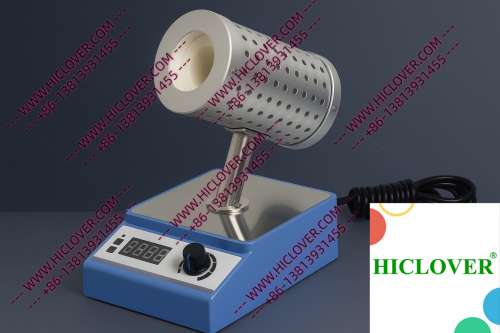
At the core of micro incinerators is the principle of rapid thermal sterilization, achieved through infrared heat generated within an enclosed ceramic tube. This design minimizes air contamination and ensures that the temperature reaches a level sufficient to eliminate microbial organisms within seconds. The enclosed ceramic heating chamber offers a clean, safe, and efficient method of sterilization, eliminating the need for traditional flame-based methods that can be hazardous in a lab environment.
- Infrared Heat: Provides rapid and efficient sterilization.
- Enclosed Design: Protects against aerosol generation and contamination.
- Easy Operation: User-friendly controls tailored for laboratory workflows.
Applications in Real Laboratories
The Micro Incinerator is particularly beneficial in various applications across laboratory environments:
1. BSL-2 and BSL-3 Microbiology Labs
In high-biosafety laboratories, where handling infectious agents is routine, the Micro Incinerator offers a solution that complies with stringent sterilization standards. Its enclosed design prevents the escape of aerosols, making it a clean-bench-safe option. Operators can sterilize inoculating loops and other implements quickly, without the risk of igniting flammable materials or creating hazardous conditions.
2. University Teaching Labs
In educational settings, teaching hygiene and biosafety standards is paramount. The Infrared Inoculating Loop Sterilizer serves as a valuable teaching tool; students gain first-hand experience with modern sterilization techniques without the risks associated with open flames. This appliance fosters a culture of safety and compliance within future generations of scientists.
Environmental Compliance and Laboratory Standards
The incorporation of micro incinerators into laboratory practices aligns with the guidelines set forth by the World Health Organization (WHO) regarding biosafety and laboratory sterilization standards. WHO emphasizes the necessity of maintaining a sterile environment and controlling aerosol particles to prevent contamination during diagnostic processes. Furthermore, using non-flame sterilizers is essential, particularly in cleanrooms and other controlled environments, where the risk of ignition must be eliminated.
Comparison Table: Micro Incinerator vs. Flame Burners
| Feature | Micro Incinerator | Flame Burners |
|---|---|---|
| Method | Infrared Heat | Open Flame |
| Aerosol Generation | No | Yes |
| Compliance with Cleanroom Standards | Yes | No |
| Ease of Use | User-Friendly | Requires Skill |
| Risk of Fire | Minimal | High |
Addressing Common FAQs
1. What is a Micro Incinerator used for?
A Micro Incinerator is primarily used for sterilizing laboratory equipment such as inoculating loops, needles, and other small tools that come into contact with cultures, ensuring that contamination is eliminated efficiently.
2. How does a Micro Incinerator compare to traditional sterilization methods?
Unlike traditional methods like alcohol lamps or Bunsen burners that are prone to causing contamination or fire hazards, a Micro Incinerator offers a safer, cleaner, and more efficient alternative, extending its usability in sensitive environments.
3. Can a Micro Incinerator be utilized in field testing labs?
Absolutely. The portability and quick operation of a Micro Incinerator make it an ideal choice for field testing labs, especially in regions like Ethiopia where infrastructure may be limited.
4. Are there specific safety guidelines for using a Micro Incinerator?
Users should always adhere to the manufacturers’ instructions and local biosafety regulations, ensuring that the device is operated within designated safety zones, particularly in BSL environments.
5. Where can I purchase a Micro Incinerator?
You can find high-quality Micro Incinerators through laboratory supply distributors and manufacturers specializing in scientific equipment. Reach out for quotes tailored to your laboratory needs.
Conclusion
As Ethiopia continues to enhance its environmental strategy, integrating modern sterilization technologies like the Micro Incinerator is essential for advancing laboratory practices and ensuring biosafety. By adopting these innovative solutions, laboratories can improve their workflows and maintain compliance with global standards. Are you ready to revolutionize your lab’s sterilization processes? Contact us today for more information and explore our range of products tailored to your unique needs.
Categories:
Tags: