
In the ever-evolving landscape of laboratory biosafety, the need for effective sterilization equipment has never been more critical. Laboratories face continual challenges in contamination control, especially in environments requiring stringent safety measures. Among the essential tools in modern sterilization workflows, the Micro Incinerator or Infrared Inoculating Loop Sterilizer stands out as a compact, efficient solution that not only enhances safety but is also increasingly valued for its sustainability.
Technical Principles Behind Micro Incinerators
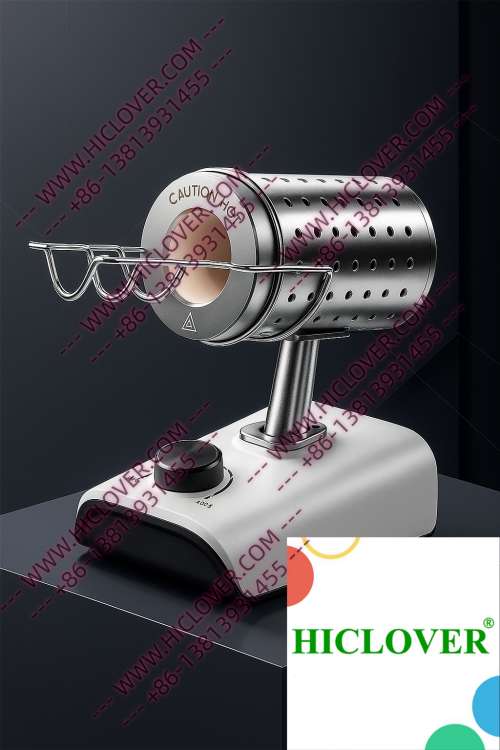
The Micro Incinerator utilizes advanced infrared heating technology for rapid thermal sterilization, making it a prime choice for effective microbial load reduction. This compact device typically features an enclosed ceramic heating chamber, allowing it to reach high temperatures quickly and safely. Unlike traditional flame sterilizers, such as alcohol lamps and Bunsen burners, the infrared sterilizer provides a clean, consistent source of heat that minimizes the risks associated with flame exposure.
Configuration and Safety Features
The unique design of Micro Incinerators enhances their utility in various laboratory settings. Here’s a brief overview of their configuration:
- Compact Design: The space-efficient configuration allows for easy integration into biosafety cabinets and limited lab spaces.
- Temperature Control: Adjustable settings enable users to tailor the heat output based on specific sterilization needs.
- Ease of Use: Minimal setup and operation requirements make them accessible even to novice lab personnel.
Application Scenarios in Real Labs
The versatility of Micro Incinerators makes them ideal for various laboratory environments, including:
1. BSL-2 and BSL-3 Microbiology Labs
In BSL-2 and BSL-3 facilities, the risk of contamination is heightened, necessitating robust sterilization techniques. Micro Incinerators are employed for quickly sterilizing inoculating loops before and after use, ensuring that any residual biological material is effectively destroyed. This rapid sterilization protocol is critical for preventing cross-contamination and maintaining the integrity of microbiological research.
2. University Teaching Labs
Many universities have integrated Micro Incinerators in teaching labs to provide students with hands-on experience in aseptic techniques. Their ease of use allows educators to teach the principles of sterilization without the risks associated with open flames. Students can quickly learn to use these devices in a controlled manner, promoting a safer learning environment.
Compliance and Environmental Considerations
Adhering to established biosafety standards is crucial for laboratory operations. The World Health Organization (WHO) and other governing bodies emphasize the importance of safe, effective sterilization practices. Compliance with biosafety regulations, such as those set forth by the Centers for Disease Control and Prevention (CDC) and National Institutes of Health (NIH), mandates the use of sterilizers that minimize aerosol production and the risk of fire in clean room conditions. As such, Micro Incinerators play a key role in promoting laboratory safety.
Comparison of Micro Incinerator and Flame Sterilizers
| Feature | Micro Incinerator | Flame Sterilizer |
|---|---|---|
| Heat Source | Infrared | Flame |
| Safety | Low risk of fire; no open flame | Fire hazards present |
| Temperature Control | Adjustable settings | Less precise |
| Portability | Highly portable | Dependent on gas source |
| Environmental Impact | Lower emissions | Higher emissions from combustion |
Frequently Asked Questions (FAQs)
What types of sterilization can the Micro Incinerator achieve?
The Micro Incinerator is capable of achieving rapid thermal sterilization, effectively eliminating biological contaminants from inoculating loops and other laboratory tools.
How does the Micro Incinerator improve laboratory safety?
By eliminating the open flame associated with traditional sterilizers, the Micro Incinerator reduces fire hazards and the risk of aerosol generation, making it suitable for use in biosafety cabinets.
Is the Micro Incinerator suitable for field testing?
Yes, the portable design of the Micro Incinerator makes it well-suited for mobile lab operations and field testing scenarios, providing a reliable sterilization solution in remote locations.
Can the Micro Incinerator be used in a CO₂ incubator?
Absolutely, its high-temperature capability means it can be employed safely without causing damage to incubator environments, allowing researchers to maintain sterile conditions while performing microbial analyses.
How does the Micro Incinerator compare to traditional methods?
Micro Incinerators offer more precision, safety, and environmental sustainability compared to flame sterilizers. They provide a consistent and efficient means of sterilization without the complications associated with flames.
Conclusion
As research and educational institutions continue to prioritize safety and sustainability, the Micro Incinerator emerges as a leading tool for effective laboratory sterilization. Its innovative technology addresses the pressing challenges of contamination control while promoting a safer working environment. For those in search of reliable sterilization solutions, investing in a Micro Incinerator can greatly enhance your laboratory workflow and compliance standing. Contact us today for more information or to place your order!
Categories:
Tags: