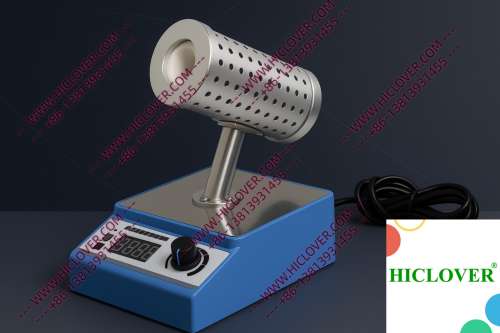
In the realm of laboratory biosafety, the challenges are as varied as the environments in which research occurs. From stringent contamination control in clinical diagnostics to the unique demands of field testing, medical facilities are perpetually searching for innovative solutions. Among these, the emergence of portable loop sterilizers, notably the Micro Incinerator / Infrared Inoculating Loop Sterilizer, has prompted a paradigm shift in sterilization workflows, ensuring safety and efficiency while addressing the fundamental need for high-performance laboratory sterilization equipment.
Advantages Over Traditional Flame Sterilizers
Traditional methods of sterilization, particularly the use of alcohol lamps and Bunsen burners, have been the mainstay in laboratories for decades. However, these flame-based solutions are fraught with downsides, such as:
- Fire hazards and safety risks
- Limited control over sterilization temperature
- Inconsistent sterilization approaches, leading to potential contamination
- Production of aerosols that can compromise clean environments
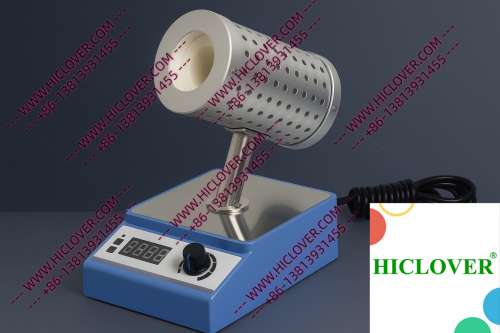
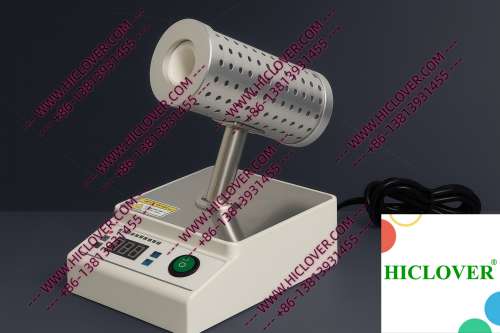
In contrast, the Micro Incinerator utilizes infrared heat technology through a ceramic heating chamber, resulting in rapid thermal sterilization. This enhances reliability and precision, making it safe for use in sensitive environments, such as BSL-2 and BSL-3 microbiology labs, where strict adherence to biosafety standards is paramount.
Technical Principle of the Micro Incinerator
The core of the Micro Incinerator lies in its enclosed ceramic tube design. The ceramic heating element operates at high temperatures designed to achieve sterilization within seconds. This method eliminates the need for flames, reducing the risk of contamination from aerosols while maintaining a clean-bench-safe atmosphere. The rapid heating capability ensures that inoculating loops, needles, and other instruments are sterilized quickly, facilitating smoother workflows in busy laboratory settings.
Application Scenarios in Real Labs
Field Testing Laboratories
In mobile or field testing laboratories, the challenges of maintaining sterility while conducting tests on-site are numerous. The Micro Incinerator’s portability allows research professionals to carry the device to any location, ensuring effective sterilization of tools in diverse environments. For instance, while conducting soil tests in remote areas, researchers can use the Micro Incinerator to quickly sterilize their equipment, preventing cross-contamination between samples. This capability is crucial for maintaining the integrity of ecological research and environmental monitoring.
University Teaching Labs
In a university context, teaching labs are critical for cultivating the next generation of scientists. Here, the Micro Incinerator serves as an excellent educational tool. Professors can demonstrate safe sterilization techniques without the fear of handling live flames. Moreover, instructors can explain the principles of rapid thermal sterilization while guiding students in practical experiments in a clean and controlled atmosphere. This focus on safety and efficiency not only enhances student learning but also prepares future professionals for adherence to laboratory compliance standards.
Compliance and Environmental Considerations
Adherence to the guidelines set forth by the World Health Organization (WHO) and local regulatory entities is crucial for laboratory operations. The Micro Incinerator complies with recognized laboratory sterilization standards, making it a preferred choice for facilities that prioritize biosafety. Its design is particularly advantageous in clean rooms, where flame-based methods can introduce contaminants.
Furthermore, using a device like the Micro Incinerator reduces the environmental impact of traditional sterilization methods. By eliminating the need for flammable materials and minimizing aerosol production, labs protect both the working environment and worker health.
Comparison Table: Micro Incinerator vs. Flame Burners
| Feature | Micro Incinerator | Flame Sterilizers |
|---|---|---|
| Safety | No flames; reduced risk of fire | Uses flames; presents fire hazards |
| Sterilization Speed | Seconds | Variable; often longer |
| Environment | Aerosol-free | Can produce aerosols |
| Portability | Highly portable | Not designed for portability |
| Temperature Control | Precise temperature control | Less consistent control |
FAQs about Micro Incinerators
What is a Micro Incinerator?
A Micro Incinerator is a portable device that uses infrared heat technology for rapid thermal sterilization of laboratory equipment, particularly inoculating loops and needles.
How does the Micro Incinerator improve laboratory workflows?
It enhances efficiency by providing quick and safe sterilization, minimizing downtime between experiments while ensuring a contamination-free workspace.
Can the Micro Incinerator be used in field settings?
Yes, the Micro Incinerator’s portability makes it ideal for use in field testing laboratories, allowing researchers to sterilize equipment on-site easily.
Is the Micro Incinerator compliant with biosafety standards?
Absolutely. The Micro Incinerator meets WHO biosafety standards and is suitable for use in clinical diagnostics and microbiology labs.
How does the Micro Incinerator protect the environment?
By eliminating the need for flammable liquids and reducing aerosol production, the Micro Incinerator contributes to safer and environmentally friendly laboratory operations.
Conclusion: Making the Switch
The Micro Incinerator / Infrared Inoculating Loop Sterilizer represents the future of laboratory sterilization. Its efficient design, adherence to safety standards, and impactful performance in various applications make it a compelling choice for modern medical facilities across the United States. Whether you are outfitting a new teaching lab or seeking improved sterilization practices in a field setup, investing in a Micro Incinerator can elevate your biosafety protocol significantly. For more information on incorporating this advanced sterilization equipment into your facility, please contact us today.
Categories:
Tags: