
As laboratories grapple with biosafety challenges and the imperative for effective sterilization, the pressure for advanced laboratory equipment has surged. Especially in countries like Peru, where environmental standards are gradually evolving, innovations such as the Micro Incinerator or Infrared Inoculating Loop Sterilizer stand out as indispensable tools in the quest for cleaner, safer laboratory environments.
Understanding Laboratory Sterilization Needs
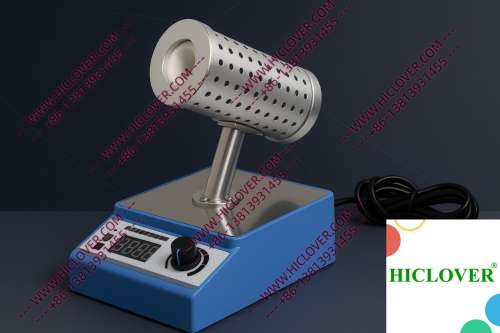
Contamination control is pivotal in any scientific endeavor, particularly in BSL-2 and BSL-3 laboratories where microbes are handled with utmost caution. Traditional flame sterilizers, like alcohol lamps and Bunsen burners, while long-standing tools, come with inherent drawbacks including open flames, the production of aerosols, and the potential for chemical hazards. The Micro Incinerator is designed to alleviate these issues while providing rapid thermal sterilization.
Technical Principles of Micro Incinerators
The Micro Incinerator employs infrared heat generated within an enclosed ceramic tube that ensures uniform high-temperature disinfection. This design enables effective sterilization without exposing the operator to open flames, making it particularly safe for use in clean bench environments. The high temperatures achieved ensure that even the most resistant microbial spores are eradicated, adhering to strict laboratory sterilization standards.
Applications in Diverse Laboratory Settings
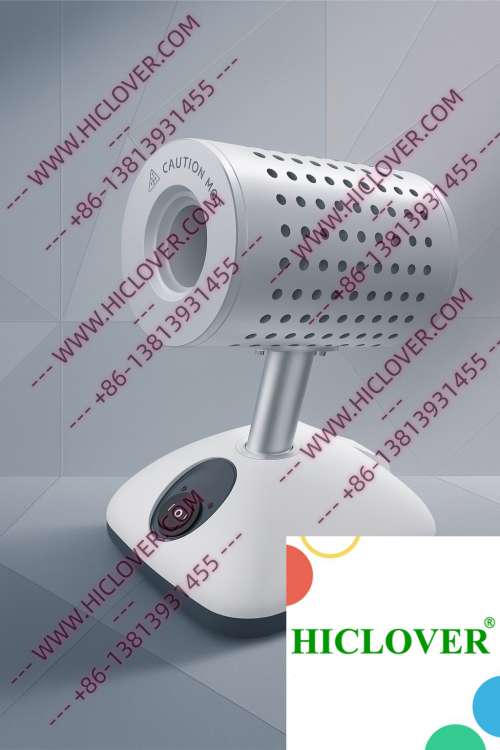
The versatility of the Micro Incinerator is demonstrated across various laboratory settings:
- Biosafety Cabinets: In controlled environments, the Micro Incinerator effectively sterilizes inoculating loops and other instruments, minimizing contamination risks.
- Clinical Diagnostics: Used in hospitals and research centers, it ensures rapid and aerosol-free handling of pathogens during critical testing procedures.
- University Teaching Labs: Students are introduced to essential sterilization techniques without the hazards associated with flame sterilizers.
- Field Testing Labs: The device’s portability allows researchers to maintain sterilization protocols outside traditional lab environments, ensuring accuracy in data collection.
Compliance with Biosafety Standards
Compliance with biosafety regulations is crucial, particularly in clinical and research laboratories. The World Health Organization (WHO) has established stringent guidelines for laboratory safety, emphasizing the need for sterilization methods that do not generate aerosols or open flames. Micro Incinerators are in line with these standards, providing an alternative that enhances safety while preventing contamination.
“Flame sterilizers can be detrimental in clean rooms due to the risk of particulate contamination. In contrast, the Micro Incinerator operates without these risks, making it ideal for sensitive environments.”
Comparative Analysis: Micro Incinerators vs. Traditional Flame Sterilizers
| Features | Micro Incinerator | Flame Sterilizers |
|---|---|---|
| Safety | Enclosed design, aerosol-free | Open flame, risk of burns |
| Efficiency | Rapid thermal sterilization | Varies with operator skill |
| Control | Precise temperature regulation | Difficult to control |
| Environmental Impact | Minimal; no chemicals used | Potential for soot and contaminants |
Frequently Asked Questions
- What is the primary function of a Micro Incinerator? The primary function is to sterilize laboratory tools rapidly using infrared heat, ensuring contamination control.
- Can Micro Incinerators be used in the field? Yes, their portability allows for effective sterilization in mobile or field testing labs.
- How do Micro Incinerators comply with biosafety standards? They operate without open flames, minimizing aerosol risks and aligning with WHO guidelines for laboratory safety.
- Are Micro Incinerators environment-friendly? Yes, they do not produce chemical residues or greenhouse gases associated with traditional flame sterilizers.
The Future of Laboratory Sterilization in Peru
As Peru embraces a green revolution spurred by environmental consciousness, integrating advanced sterilization equipment like the Micro Incinerator represents a significant step forward. Research centers, universities, and hospitals can enhance their biosafety protocols while contributing to a cleaner environment.
Whether operating in a BSL-2 microbiology lab or teaching students about sterile techniques, the Micro Incinerator offers safe, efficient, and compliant sterilization solutions. With a focus on innovation and safety, our commitment at [Your Company Name] is to deliver high-quality Micro Incinerators that support the evolving needs of laboratories across Peru and beyond.
Contact Us for Your Laboratory Needs
If you’re looking to upgrade your laboratory sterilization processes or want to know more about our Micro Incinerator range, please don’t hesitate to reach out. Our team is here to guide you in making the right choice for your laboratory equipment needs.
Categories:
Tags: