
In laboratories ranging from BSL-2 to BSL-3 settings, managing biosafety effectively is paramount. Traditional methods of sterilization, such as alcohol lamps and Bunsen burners, while effective, often present risks related to open flames, aerosol generation, and inefficient sterilization workflows. As the demand for laboratory sterilization equipment increases, particularly in Turkey’s rapidly developing scientific community, the advent of Micro Incinerators, specifically Infrared Inoculating Loop Sterilizers, offers a revolutionary solution.
Transforming Laboratory Practises
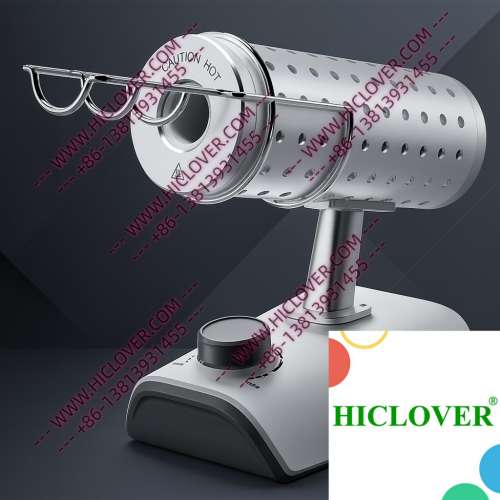
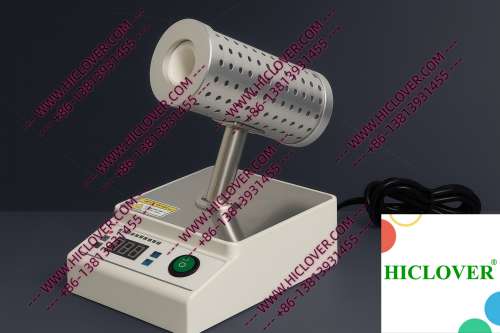
The Micro Incinerator operates on the principle of rapid thermal sterilization through infrared heat. This modern device features an enclosed ceramic tube that allows for high-temperature disinfection of inoculating loops and other laboratory tools. This platform not only ensures effective sterilization but also enhances operational efficiency and safety in laboratory environments.
Technical Principles of Micro Incinerators
The technology behind Micro Incinerators is a significant leap forward from legacy methods. The infrared heating mechanism allows for controlled, high-temperature sterilization without the risks associated with open flames. The enclosed design minimizes aerosol generation, making it safe for use in clean bench environments and biosafety cabinets.
- Infrared Heat: The focused heat emitted by infrared sources ensures that contaminants on the inoculating loop are rapidly neutralized.
- Ceramic Heating Chamber: The enclosed ceramic tube allows for consistent thermal distribution and eliminates flame exposure hazards.
- Ergonomics: Lightweight and portable, these devices can be easily integrated into various lab settings.
- WHO Biosafety Guidelines: Emphasize the need for effective sterilization methods that minimize risks.
- No Flame Requirement: Micro Incinerators operate without open flames, making them ideal for clean rooms and sensitive laboratory environments.
- Lab Sterilization Standards: Compliance with ISO and national standards regarding sterilization equipment ensures safety and reliability.
Applications in Real-World Labs
Micro Incinerators find use in a variety of laboratory scenarios:
1. Biosafety Cabinets
In BSL-2 and BSL-3 laboratories, the Micro Incinerator is an essential tool for ensuring contamination control when working with hazardous organisms. Its design supports safe sterilization without jeopardizing the integrity of the clean environment. The quick sterilization capability allows microbiologists to focus on their work without worrying about the risks associated with traditional flame sterilization methods.
2. Teaching Laboratories
In academic settings where the next generation of scientists is trained, Micro Incinerators provide an invaluable teaching aid. Students can learn the principles of microbiological techniques without the dangers related to using flames. This not only fosters a safer learning environment but also instills best practices for biosafety and handling of microbial cultures.
Compliance and Environmental Considerations
Regulatory bodies such as the World Health Organization (WHO) emphasize the importance of adhering to biosafety standards. In laboratory environments, especially those dealing with infectious agents, compliance with sterilization protocols is critical to prevent contamination and ensure the safety of laboratory personnel and the environment.
Comparison of Micro Incinerators and Traditional Flame Sterilizers
| Feature | Micro Incinerator | Flame Sterilizers |
|---|---|---|
| Operational Safety | No open flames, reduced risk of fire | Open flames, higher fire risk |
| Aerosol Generation | Minimized, safe for clean environments | Higher aerosol risk |
| Efficiency | Rapid sterilization in seconds | Variable, depends on flame application |
| Energy Consumption | Lower overall energy usage | Higher energy consumption |
Frequently Asked Questions (FAQs)
What types of materials can a Micro Incinerator sterilize?
Micro Incinerators are primarily designed for sterilizing inoculating loops, metal tools, and other lab instruments that can withstand high temperatures.
Are Micro Incinerators easy to operate?
Yes! They come with user-friendly interfaces and quick-heating capabilities, making them a practical option for users at all skill levels.
What is the lifespan of a Micro Incinerator?
With proper maintenance, a Micro Incinerator can last for many years, providing reliable sterilization in laboratory environments.
Can these devices be used in field testing laboratories?
Absolutely! Their lightweight and portable design makes Micro Incinerators perfect for use in field testing labs where quick and safe sterilization is necessary.
Do Micro Incinerators meet international sterilization standards?
Yes, they are designed to comply with international biosafety guidelines and laboratory sterilization standards.
Conclusion
As Turkey’s scientific landscape continues to expand, the adoption of innovative solutions such as Micro Incinerators is essential for promoting laboratory safety and effectiveness. Whether in clinical diagnostics, teaching laboratories, or mobile field testing labs, this advanced sterilization equipment stands to significantly enhance practices while conforming to stringent safety standards. If you want to elevate your laboratory’s sterilization capabilities with cutting-edge equipment, get in touch with us today to explore the possibilities!
Categories:
Tags: