
Laboratories face increasingly complex biosafety challenges, particularly in the realm of sterilization. The effectiveness of laboratory sterilization equipment is paramount for preventing contamination and ensuring accurate results. As the global demand for reliable sterilization methods grows, innovative solutions such as the Micro Incinerator, or Infrared Inoculating Loop Sterilizer, are paving the way for enhanced workflow efficiency and biosafety compliance in laboratories across Beijing and beyond.
Understanding Micro Incinerators and Their Advantages
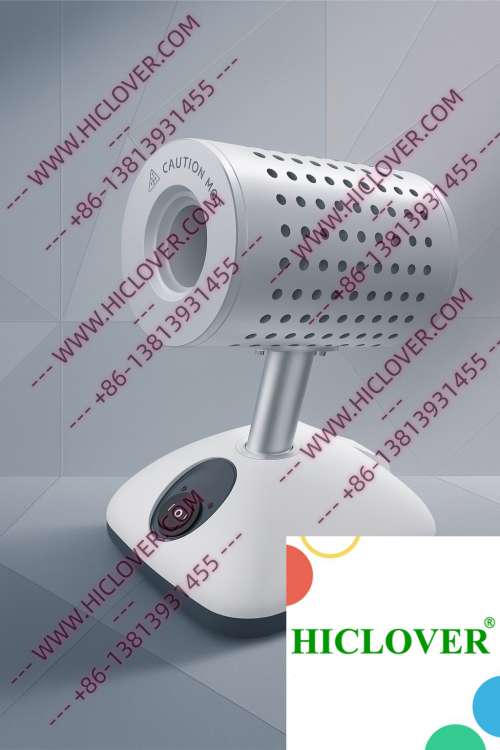
The Micro Incinerator operates on the principle of rapid thermal sterilization, using infrared heat to reach temperatures required for effective disinfection without the need for traditional open flames. This device comprises a sealed ceramic heating chamber that ensures optimal heat distribution while also providing increased safety for laboratory personnel.
Unlike alcohol lamps and Bunsen burners, the Micro Incinerator significantly reduces the risk of airborne contamination, enabling clean-bench-safe operations within various laboratory environments. Its design allows for aerosol-free handling of sterile inoculating loops, petri dishes, and other laboratory instruments, making it an ideal choice for biosafety level 2 (BSL-2) and level 3 (BSL-3) microbiology labs.
Practical Applications in Diverse Laboratory Settings
1. Biosafety Cabinets
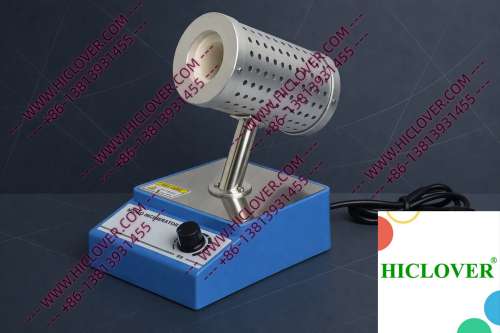
In BSL-2 laboratories, maintaining a sterile environment is crucial for working with pathogens. Integrating a Micro Incinerator within biosafety cabinets enhances sterilization workflows. Following the collection of samples, lab technicians can quickly sterilize their instruments without exposing sensitive cultures to external contaminants. This, in turn, minimizes the risk of accidental spills or cross-contamination.
2. Teaching Labs
In educational setups, particularly university teaching labs, the need for safe and effective sterilization methods is abundant. The Micro Incinerator offers an efficient solution for students learning about microbiological techniques. Instructors can demonstrate sterilization procedures safely, allowing students to practice without the inherent dangers posed by flame-based sterilizers. Moreover, the infrared inoculating loop sterilizer’s compact size makes it convenient for use within instructional settings.
Compliance and Environmental Considerations
Adhering to international biosafety standards, such as those put forth by the World Health Organization (WHO), is essential for modern laboratories. Micro Incinerators comply with lab sterilization standards by ensuring effective microbial inactivation while eliminating flame-based apparatuses that can inadvertently create hazardous situations, especially in cleanroom environments.
Additionally, the Micro Incinerator significantly contributes to reducing the environmental impact of sterilization. High-temperature disinfection of reusable instruments minimizes the waste generated from single-use plastic products, aligning with sustainable laboratory practices.
Why Choose Micro Incinerators Over Traditional Flame Sterilizers?
Choosing a Micro Incinerator over traditional flame sterilizers, such as alcohol lamps and Bunsen burners, offers several advantages:
- Safety: No open flames reduce the risk of burns and fire hazards.
- Efficiency: Rapid thermal sterilization saves time without sacrificing effectiveness.
- Controlled Environment: The enclosed ceramic tube prevents aerosol generation.
- Versatility: Suitable for various laboratory needs, from field testing to clinical diagnostics.
| Feature | Micro Incinerator | Flame Sterilizers |
|---|---|---|
| Operating Temperature | Up to 800°C | Up to 500-600°C |
| Safety | No open flames | Presence of open flames |
| Contamination Control | Aerosol-free handling | Potential aerosol generation |
| Size | Compact and portable | Varies, often bulkier |
FAQs
What is the working principle of a Micro Incinerator?
The Micro Incinerator utilizes infrared heat generated within an enclosed ceramic tube to rapidly sterilize laboratory instruments, providing a clean, flame-free alternative for effective disinfection.
How does the Micro Incinerator improve laboratory safety?
By eliminating open flames, the Micro Incinerator reduces the risks associated with burns and fire hazards, allowing for safer handling of sterilized instruments.
Is the Micro Incinerator suitable for field testing applications?
Yes, the compact design and portability of the Micro Incinerator make it ideal for field testing labs, where reliable sterilization methods are crucial for accurate results under various environmental conditions.
What are the compliance standards for laboratory sterilization equipment?
The Micro Incinerator meets WHO biosafety and lab sterilization standards, making it an exceptional choice for laboratories focused on maintaining high levels of biosafety.
How does the Micro Incinerator compare to traditional sterilization methods in terms of environmental impact?
The Micro Incinerator reduces environmental waste through effective sterilization of reusable instruments, minimizing reliance on single-use plastic items commonly associated with traditional sterilization methods.
Conclusion
The Micro Incinerator represents a significant advancement in laboratory sterilization, particularly in high-stakes environments like clinical diagnostics and research settings in Beijing. By adopting this cutting-edge equipment, labs can not only enhance their biosafety protocols but also contribute to sustainable practices within the scientific community. If you’re ready to elevate your laboratory’s sterilization workflow, consider investing in a Micro Incinerator today. Reach out to us for more information and to explore your purchasing options!
Categories:
Tags: