
In the ever-evolving landscape of laboratory biosafety, the need for effective sterilization solutions has become paramount. Laboratories face various challenges, from stringent regulations governing biosafety practices to the necessity of maintaining a high level of contamination control. Traditional sterilization methods, such as flame sterilizers, can present safety hazards, especially in sensitive environments like clean rooms. Enter the Micro Incinerator/Infrared Inoculating Loop Sterilizer, which stands out for its efficiency and safety in modern laboratory applications.
Technical Principles Behind Micro Incinerators
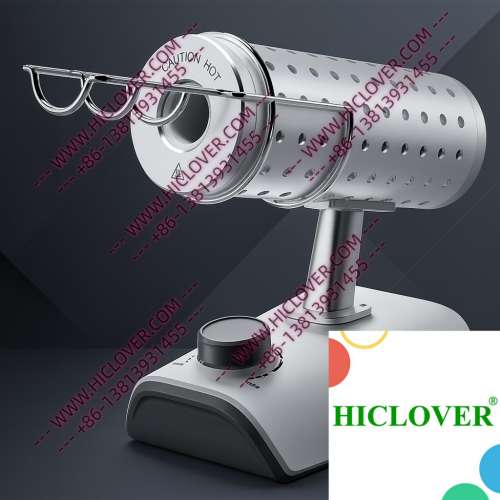
The Micro Incinerator operates using innovative infrared heating technology that effectively sterilizes tools and inoculating loops at high temperatures without the need for a flame. The device features an enclosed ceramic tube that provides a stable heating environment. This setup allows for rapid thermal sterilization, achieving optimal temperatures quickly while ensuring uniform heat distribution. The infrared high-temperature disinfection capability eliminates the risk of incomplete sterilization, a common concern with traditional flame methods.
Applications in Real Laboratory Settings
Micro Incinerators are versatile tools that find their usage in various laboratory settings, enhancing workflow efficiency and safety.
1. University Teaching Labs
In academic institutions, such as universities in Johannesburg, instructors rely on sterilization equipment that allows students to practice laboratory skills while ensuring a safe learning environment. The infrared inoculating loop sterilizer offers a reliable solution for microbiology courses where students work with bacteria cultures. Its clean-bench-safe design minimizes the risk of accidents caused by open flames, which could pose safety hazards in crowded lab settings.
2. Clinical Diagnostics
In clinical settings, particularly BSL-2 and BSL-3 laboratories, the importance of sterilization cannot be overstated. Micro Incinerators excel in providing effective sterilization of inoculating loops used in the transfer of clinical samples. Their ability to sterilize without producing aerosols makes them ideal for field testing applications, where contamination of samples could compromise results. As clinics in Johannesburg continue to modernize, the adoption of these sterilizers reflects a commitment to improving biosafety protocols.
Compliance and Environmental Standards
The WHO provides a framework for laboratory biosafety, which includes guidelines on sterilization standards. Micro Incinerators align with these directives by minimizing the risk of flammable materials and aerosol generation, thus making them suitable for use in cleanrooms and controlled environments. Unlike traditional alcohol lamps and Bunsen burners, which can introduce hazards, infrared sterilizers offer a compliant alternative that enhances laboratory safety.
“Contamination control is vital in laboratories. Innovative sterilization solutions like the Micro Incinerator ensure not only compliance with safety standards but also the integrity of laboratory work.”
Advantages over Traditional Flame Sterilizers
When comparing Micro Incinerators to traditional flame sterilizers, several distinct advantages emerge:
| Feature | Micro Incinerator | Flame Sterilizers |
|---|---|---|
| Safety | No open flame, reduced risk of fire | Open flame, risk of burns and fire hazards |
| Heat Consistency | Rapid uniform heating | Variable heat; risk of uneven sterilization |
| Environmental Impact | Aerosol-free handling | Aerosol generation possible |
| Ease of Use | Simple controls, minimal training needed | Requires careful adjustment and technique |
Conclusion
With the robust demands of laboratory biosafety and the imperative for effective sterilization solutions, the Micro Incinerator/Infrared Inoculating Loop Sterilizer represents a significant advancement in the field. Whether in the context of a university teaching lab, clinical diagnostics, or field-testing scenarios, it exceeds the capabilities of traditional flame sterilizers, combining safety, efficiency, and compliance with regulatory standards. For laboratories in Johannesburg and beyond looking to enhance their sterilization workflows, exploring innovative sterilization equipment like the Micro Incinerator should be a priority.
FAQs
- What are the main benefits of using a Micro Incinerator in a lab? Micro Incinerators provide enhanced safety, rapid sterilization without flames, and compliance with biosafety standards.
- Can the Micro Incinerator be used in clean room environments? Yes, it is designed to be safe in clean rooms due to its aerosol-free operation.
- How does the sterilization efficiency of a Micro Incinerator compare to traditional methods? The Micro Incinerator offers more consistent and immediate heat application, minimizing the risk of incomplete sterilization.
- Is the Micro Incinerator easy to operate for students? Yes, its simple controls make it user-friendly for educational settings.
- Where can I purchase a Micro Incinerator in Johannesburg? Contact local laboratory supply distributors or online suppliers to explore purchasing options.
For more information or to explore purchasing options for the Micro Incinerator, please reach out to us, and discover how cutting-edge sterilization can enhance your laboratory processes.
Categories:
Tags: