
The effective management of laboratory waste is a persistent challenge faced by institutions across Ethiopia, where compliance with biosafety standards is crucial for health and research. In high-stakes environments, such as BSL-2 and BSL-3 microbiology labs, the demand for reliable sterilization equipment grows. The Micro Incinerator, particularly the Infrared Inoculating Loop Sterilizer, offers a revolutionary solution to these pressing sterilization workflow demands.
The Challenges in Laboratory Biosafety
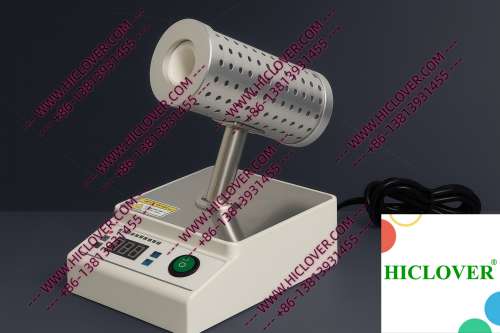
Laboratory environments in Ethiopia are often challenged by insufficient sterilization methods, leading to contamination risks that compromise research validity and biosafety compliance. Traditional methods, such as alcohol lamps and Bunsen burners, generate open flames, posing inherent risks in clean areas. In addition, the smoke and fumes produced can contaminate samples and the working environment, revealing a clear need for a more effective, compact, and safer sterilization alternative.
Technical Principles of Micro Incinerators
The Infrared Inoculating Loop Sterilizer utilizes advanced infrared heating technology within an enclosed ceramic tube. This design allows for rapid thermal sterilization, reaching high temperatures quickly while ensuring aerosol-free handling—vital in maintaining laboratory cleanliness and integrity. The enclosed chamber not only minimizes open flames but also ensures a consistent temperature, ideal for effective sterilization of inoculating loops and other small instruments.
Configuration Features
- Compact Design: The Micro Incinerator’s streamlined configuration fits comfortably in any laboratory setting, including cramped biosafety cabinets.
- Energy Efficiency: High thermal efficiency means less energy consumption compared to other methods.
- Safety First: With no open flame, the risk of fire hazards is significantly reduced, making it suitable for clean bench environments.
Application Scenarios in Real Labs
1. Biosafety Cabinet Usage
In a microbiology lab where a variety of pathogens are handled, the Micro Incinerator serves as an indispensable tool for sterilizing inoculating loops before usage. Conducted within a biosafety cabinet, this method protects the operator from exposure to aerosols while ensuring samples remain uncontaminated. The consistent sterilization cycle provided by the infrared technology guarantees that all tools used in sensitive experiments are free from microbial life.
2. Field Testing Challenges
In remote areas of Ethiopia, where mobile laboratories conduct field tests, a portable sterilization solution is essential. The Micro Incinerator’s lightweight structure and battery-operated versions allow for its transportation and operation in challenging environments. During field studies, the rapid on-site sterilization reduces the risk of contamination, ensuring the accuracy of results while complying with WHO biosafety recommendations.
Biosafety Compliance and Environmental Considerations
Compliance with international biosafety guidelines, including those set forth by the World Health Organization (WHO), is critical for research facilities. The Micro Incinerator supports adherence to lab sterilization standards and provides a clean, flame-free operation that is crucial in cleanroom conditions. Unlike alcohol lamps, which can pose contamination risks through soot and flame, the Infrared Inoculating Loop Sterilizer meets the stringent requirements of modern research environments.
Furthermore, as Ethiopia places increasing emphasis on sustainable practices, micro incinerators pose an environmentally friendly alternative to traditional waste disposal methods. Incinerators used for laboratory waste can effectively reduce the volume and potential hazard posed by medical and laboratory refuse while ensuring that all materials are sterilized before disposal.
Comparative Advantages of Micro Incinerators
| Features | Micro Incinerator | Flame Burners (e.g., Bunsen burners) |
|---|---|---|
| Sterilization Method | Infrared Heating | Open Flame |
| Contamination Risk | Minimal | High |
| Energy Efficiency | High | Variable |
| Safety in Clean Areas | Safe | Not Recommended |
Frequently Asked Questions
1. What is the maximum temperature of a Micro Incinerator?
The Micro Incinerator can reach temperatures exceeding 800°C, ensuring effective sterilization within seconds.
2. How long does it take to sterilize an inoculating loop?
The sterilization cycle typically completes within 5-10 seconds, allowing for quick turnaround between samples.
3. Is the Micro Incinerator portable?
Yes, many models are designed to be compact and portable, making them suitable for both stationary and field applications.
4. Can the Micro Incinerator be used in cleanrooms?
Absolutely, the design and operation of the Micro Incinerator are ideal for cleanroom environments where safety and contamination control are paramount.
5. How does it comply with WHO biosafety standards?
The Micro Incinerator operates without an open flame and minimizes aerosol production, thus aligning with WHO recommendations for laboratory sterilization practices.
Conclusion
In summary, the Micro Incinerator represents a significant advancement in laboratory sterilization, particularly suited for the unique challenges faced by Ethiopian institutions. As biosafety regulations become more stringent, investing in modern sterilization equipment not only enhances research quality and safety but also upholds environmental responsibility.
If you’re interested in upgrading your laboratory’s sterilization practices, contact us today for more information on our range of Micro Incinerators. Elevate your laboratory’s biosafety standards and ensure optimal workflow efficiency.
Categories:
Tags: