
As global health priorities evolve, so do the challenges faced by laboratory professionals in maintaining strict biosafety standards. With increasing demands for efficient sterilization workflows, laboratories are continuously seeking innovative solutions that offer rapid thermal sterilization without compromising safety. Traditional methods, such as alcohol lamps and Bunsen burners, while effective, pose various risks including open flames, contamination, and volatile emissions. The Micro Incinerator or Infrared Inoculating Loop Sterilizer emerges as an advanced apparatus designed to redefine sterilization procedures in laboratory settings.
Technical Principles of Infrared Sterilization
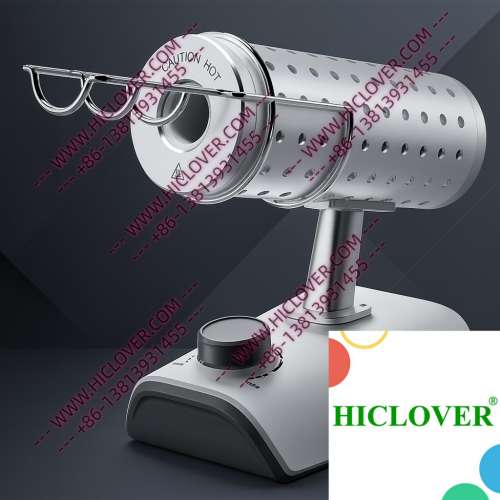
The Micro Incinerator operates using infrared high-temperature disinfection, leveraging an enclosed ceramic heating chamber that provides rapid and uniform heating. This technology enables sterilization at high temperatures, effectively eliminating a broad spectrum of pathogens, including bacteria and viruses. Unlike traditional flame sterilizers that rely on open flames, the Infrared Inoculating Loop Sterilizer delivers targeted heat application, ensuring that laboratory staff can carry out their tasks safely, even in high-risk environments.
Design and Configuration of the Micro Incinerator
The design of the Micro Incinerator is clean-bench-safe, allowing it to function efficiently within biosafety cabinets without the risk of generating aerosols. The streamlined configuration of the device enables easy integration into various laboratory workflows, whether in teaching labs, clinical diagnostics, or field testing applications.
Practical Applications of the Micro Incinerator
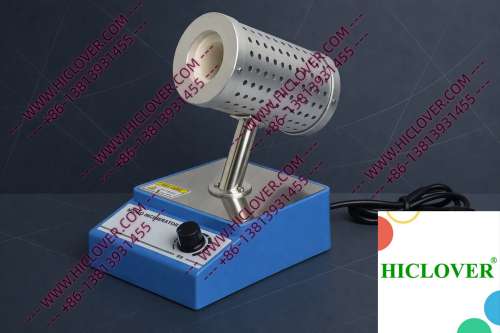
- Biosafety Cabinets: In standard BSL-2 and BSL-3 microbiology labs, maintaining a sterile environment is paramount. Here, the Micro Incinerator is utilized for quick sterilization of inoculating loops and other small instruments, minimizing the risk of contamination during microbial transfer.
- Field Testing Laboratories: For mobile labs performing environmental testing, the portability and efficiency of the Micro Incinerator allow technicians to conduct routine sterilization in the field, ensuring sample integrity, particularly in remote or challenging environments.
- University Teaching Labs: In educational settings, where students are engaging with potentially hazardous microbes, the Micro Incinerator provides a safe method of sterilization, enhancing learning while fostering a culture of biosafety.
Compliance with Laboratory Sterilization Standards
With the rise of stringent biosafety standards set forth by organizations such as the World Health Organization (WHO), the importance of adhering to laboratory sterilization protocols cannot be overstated. For instance, laboratories operating within high-containment facilities must utilize sterilization equipment that eliminates any risk of flame ignition to ensure compliance with clean-room standards.
The Micro Incinerator stands out as a compliant solution, presenting significant advantages over traditional flame burners. Below is a comparison table highlighting its benefits:
| Feature | Micro Incinerator | Flame Burners |
|---|---|---|
| Heat Source | Infrared Technology | Open Flame |
| Contamination Control | Minimized Aerosol Risk | Aerosol Generation |
| Safety | Flame-Free Operation | Burn Hazard |
| Heating Time | Rapid (<10 sec) | Slow (variable) |
| Portability | Compact Design | Heavy Equipment |
FAQs on Micro Incinerators
1. How does the Micro Incinerator ensure safe operation?
The Micro Incinerator operates without an open flame, utilizing infrared technology to prevent accidents and ensure a sterile working environment.
2. Can the Micro Incinerator be used in a clean room?
Yes, it is designed for clean-room applications, ensuring compliance with rigorous biosafety standards while providing effective sterilization.
3. What are the operational advantages of using an Infrared Inoculating Loop Sterilizer?
The advantages include quick heating times, a clean and safe operational method without flames, and reduced risk of cross-contamination.
4. Is the Micro Incinerator easy to use for laboratory staff?
Yes! The straightforward design allows for easy integration into routine laboratory procedures, making it user-friendly for both experienced personnel and trainees.
5. How does the Micro Incinerator contribute to laboratory biosafety?
By minimizing aerosol generation, maintaining an efficient sterilization process, and facilitating safe practices, it significantly bolsters laboratory biosafety protocols.
Conclusion: Embrace the Future of Sterilization
As biosafety demands continue to escalate, adopting innovative sterilization technology, such as the Micro Incinerator, is essential for laboratories aiming to uphold the highest standards. Its advanced features not only improve workflow efficiency but also enhance safety and compliance with international standards. For laboratories looking to invest in reliable and efficient sterilization solutions, contacting us for inquiries about the Micro Incinerator is a prudent step towards a safer and more efficient future.
Categories:
Tags: