
In the realm of laboratory management, ensuring high standards of biosafety and contamination control is crucial. Laboratories face numerous challenges, from maintaining sterile environments to complying with strict regulatory requirements. As research and clinical diagnostics become increasingly sophisticated, the demand for efficient sterilization solutions has never been higher. For labs operating under BSL-2 or BSL-3 conditions, the choice of laboratory sterilization equipment significantly impacts workflow efficiency and safety.
The Micro Incinerator: Redefining Laboratory Sterilization
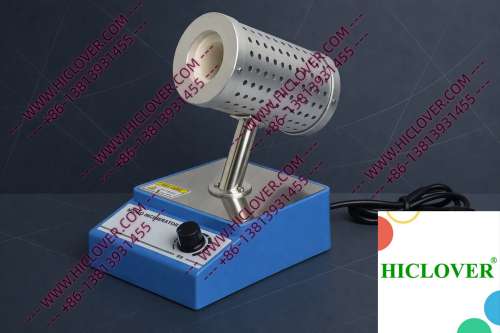
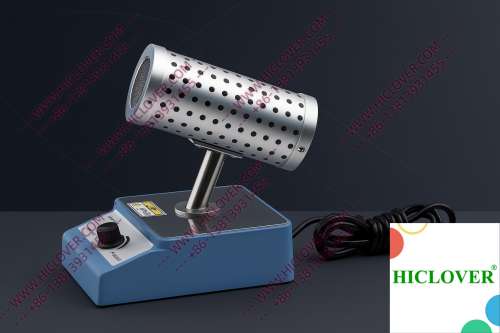
The Micro Incinerator, also known as the Infrared Inoculating Loop Sterilizer, is a groundbreaking tool designed for rapid thermal sterilization. Unlike traditional flame sterilizers like Bunsen burners and alcohol lamps, which can produce harmful fumes and are limited in their efficiency, the Micro Incinerator utilizes advanced technology that leverages infrared heat within an enclosed ceramic tube. This method of sterilization is both clean-bench-safe and aerosol-free, minimizing the risk of airborne contaminants.
Technical Principles of the Micro Incinerator
One of the standout features of the Micro Incinerator is its ceramic heating chamber, which reaches high temperatures rapidly, allowing for the disinfection of inoculating loops, needles, and other laboratory tools in mere seconds. The infrared heating allows for even distribution of temperature while using less energy, making it not only effective but also environmentally friendly. The enclosed design of the sterilizer prevents any possibility of open flames, providing a safer alternative in clean room environments where traditional flame devices pose various hazards.
Applications of the Micro Incinerator in Real Labs
- Biosafety Cabinets: In BSL-2 and BSL-3 microbiological laboratories, the Micro Incinerator is invaluable for ensuring complete sterilization of tools before and after use. By integrating this device into workflow within biosafety cabinets, researchers can not only achieve compliance with WHO biosafety standards but also streamline their sterilization process. When sterilizing inoculating loops in a biosafety cabinet, the risk associated with flame exposure is entirely eliminated.
- Teaching Labs: In educational institutions, particularly those with university teaching labs, the Micro Incinerator serves as an essential tool for students learning the nuances of microbiology. Not only does it facilitate a safer learning environment devoid of flame hazards, but it also reinforces best practices in laboratory sterilization and contamination control.
Compliance and Environmental Considerations
The importance of adhering to laboratory sterilization standards cannot be overstated. Regulatory authorities, including the WHO, emphasize stringent biosafety protocols in laboratory environments. The Micro Incinerator supports compliance with these standards as it minimizes risks associated with open flames in clean rooms, making it an ideal choice for labs that prioritize safety. In areas with strict environmental regulations, using a device that incorporates both energy efficiency and effective sterilization capabilities can contribute to a lab’s commitment to sustainability.
Advantages of Micro Incinerators vs. Traditional Flame Sterilizers
| Feature | Micro Incinerator | Flame Sterilizers |
|---|---|---|
| Safety | Enclosed design, no open flames | Open flames, increased fire hazard |
| Efficiency | Rapid thermal sterilization | Variable efficiency, dependent on user technique |
| Contamination Control | Aerosol-free handling | Potential for aerosol generation |
| Maintenance | Low maintenance, durable ceramic | May require frequent replacement of fuel sources |
| Energy Use | Energy efficient | Variable, depending on the type of fuel used |
FAQs about Micro Incinerators
What is the temperature range of a Micro Incinerator?
The typical temperature range of a Micro Incinerator can reach up to 900°C, allowing for rapid sterilization of laboratory tools in seconds.
Can Micro Incinerators be used in clean rooms?
Yes, Micro Incinerators are designed for clean room use due to their enclosed design, which prevents the risk associated with open flames.
Do Micro Incinerators require special maintenance?
Micro Incinerators are generally low-maintenance, with a durable ceramic heating element that typically requires less frequent replacement than traditional flame burners.
How does the Micro Incinerator improve laboratory workflow?
By providing rapid sterilization without the hazards associated with flames, the Micro Incinerator enhances laboratory workflow, allowing for safer and more efficient operations.
Are there specific applications where Micro Incinerators are preferred?
Micro Incinerators are particularly beneficial in microbiology labs, clinical diagnostics, and educational settings, where stringent sterilization protocols are essential.
Conclusion
The shift from traditional flame-based sterilization methods to advanced solutions like the Micro Incinerator is revolutionizing laboratory safety and efficiency. With its compact design, rapid sterilization capabilities, and compliance with biosafety standards, the Micro Incinerator emerges as the optimal choice for laboratories worldwide. If you’re looking to enhance your laboratory sterilization equipment or align with modern biosafety regulations, consider investing in a Micro Incinerator today. Contact us to learn more about our extensive range of laboratory equipment and find the perfect solution for your needs!
Categories:
Tags: