
In the realm of biotechnology, maintaining sterile environments is paramount. Laboratories face continuous biosafety challenges, particularly regarding contamination control. Whether in high-complexity BSL-2 and BSL-3 labs or teaching laboratories, sterilization protocols must meet stringent requirements to ensure the integrity of biological assays and research outcomes. This article delves into the significance of loop sterilization, particularly emphasizing the essential role of the Micro Incinerator / Infrared Inoculating Loop Sterilizer in achieving effective sterilization processes.
Understanding the Technical Principles Behind Infrared Loop Sterilizers
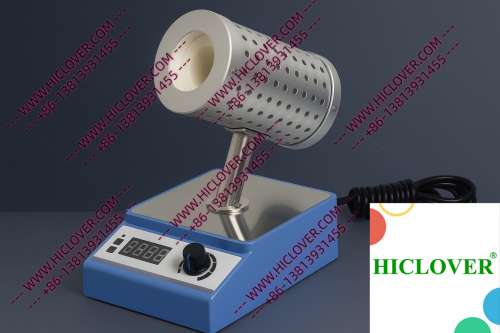
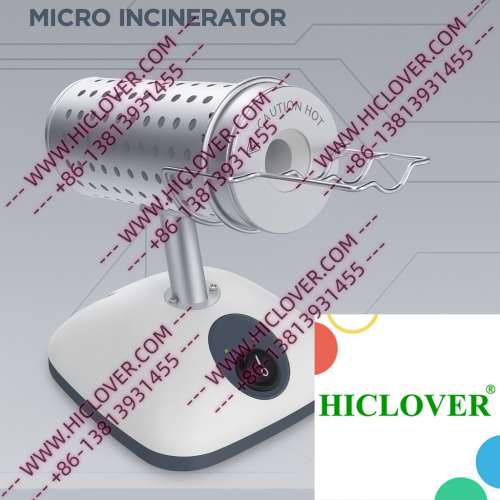
The Micro Incinerator employs a unique approach to sterilization by using rapid thermal sterilization through infrared heat. Unlike traditional flame sterilizers such as alcohol lamps or Bunsen burners, the Micro Incinerator features an enclosed ceramic heating chamber. Its design allows for the immediate generation of high temperatures necessary for effective disinfection, all while minimizing the risk of open flames that could threaten safety in sensitive lab environments.
- Efficiency: Rapid heating and cooling cycles reduce waiting times during procedures.
- Safety: No open flames or hazardous fumes, making it ideal for clean rooms and biosafety cabinets.
- Versatility: Suitable for various applications in field testing, clinical diagnostics, and educational laboratories.
Application Scenarios in Real Labs
Biosafety Cabinet Usage
In many microbiology laboratories, sterile conditions are essential. Biosafety cabinets provide a controlled environment, yet the introduction of contamination through improperly sterilized tools is a significant concern. By employing a Micro Incinerator within these settings, laboratory personnel can efficiently sterilize inoculating loops and other tools without the risk of flame compromise, thereby maintaining the integrity of sterile working environments.
Field Testing Operations
Field testing often presents unique challenges, particularly where power sources may be limited, and contamination risks are high. The infrared inoculating loop sterilizer is portable and proves invaluable in mobile laboratory setups, allowing technicians to perform rapid sterilization of tools in diverse environments. This capability ensures that even in the field, the quality of biological samples is preserved, and accurate data can be obtained.
Compliance and Environmental Considerations
Complying with biosafety regulations is critical for laboratory operations, especially concerning WHO biosafety standards. Laboratories must adhere to sterilization protocols that minimize risks while ensuring optimal laboratory performance. Traditional flame interactions are often restricted or banned in clean rooms due to the potential risk of contamination and explosion. The incorporation of infrared sterilization aligns with safety requirements, providing a flame-free alternative that ensures environmental safety.
| Feature | Micro Incinerator | Flame Burners |
|---|---|---|
| Heating Speed | Instantaneous | Variable |
| Safety | No open flames | Open flames present hazards |
| Ease of Use | User-friendly | Requires expertise to operate safely |
| Audible Alerts | Yes | No |
| Cost Efficiency | Low operational costs | Higher fuel costs |
Optimizing Your Laboratory Workflow
Efficiency in laboratory workflows is not just about speed but also about ensuring that protocols are safe, compliant, and effective. The use of a Micro Incinerator allows for streamlined sterilization processes that can significantly reduce downtime while elevating safety standards. With its innovative design and rapid thermal capabilities, laboratories can enhance their productivity without sacrificing the meticulous attention required for biological research.
Frequently Asked Questions
- What are the main advantages of using an infrared inoculating loop sterilizer over traditional flame sterilizers?
The Micro Incinerator offers quicker heating, improved safety due to the absence of open flames, and reduced contamination risks, making it more efficient for modern lab environments.
- Can the Micro Incinerator be used in outdoor or field settings?
Yes, its portability and ease of use make it a striking option for mobile and field laboratories.
- How does the Micro Incinerator comply with biosafety regulations?
It adheres to WHO biosafety standards by eliminating open flames, thus ensuring a safe and controlled working environment.
- What types of laboratories benefit from using a Micro Incinerator?
Biosafety labs, clinical diagnostics, and educational teaching labs can all benefit from its rapid and effective sterilization capabilities.
- Is training required to use the Micro Incinerator effectively?
While it is user-friendly, proper training ensures safe and effective use, maximizing the benefits of the device.
Conclusion: Elevate Your Laboratory Standards with Micro Incinerators
In conclusion, as laboratories worldwide navigate the increasing demands for biosafety and contamination control, the transition to advanced sterilization technologies such as the Micro Incinerator / Infrared Inoculating Loop Sterilizer becomes essential. Transitioning to this modern sterilization equipment not only enhances safety but also ensures compliance with global lab standards. For your laboratory’s needs, consider investing in a Micro Incinerator today—the benefits to your workflows and outcomes are substantial.
Contact us to explore how our products can enhance your laboratory’s sterilization processes and meet your specific needs.
Categories:
Tags: