
In today’s laboratory environments, ensuring biosafety and maintaining contamination control are paramount challenges. The sterilization workflow must be robust yet efficient to meet daily operation demands, particularly in sensitive environments like clinical diagnostics and university teaching labs. Among the various available sterilization technologies, the Low Smoke Sterilizer Heater, specifically the Micro Incinerator or Infrared Inoculating Loop Sterilizer, stands out as a game-changer.
Understanding the Technical Principles
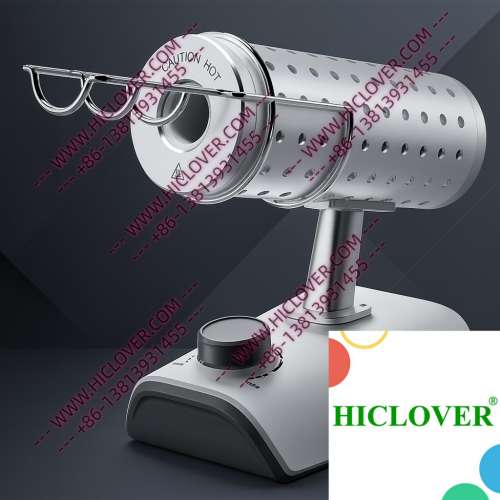
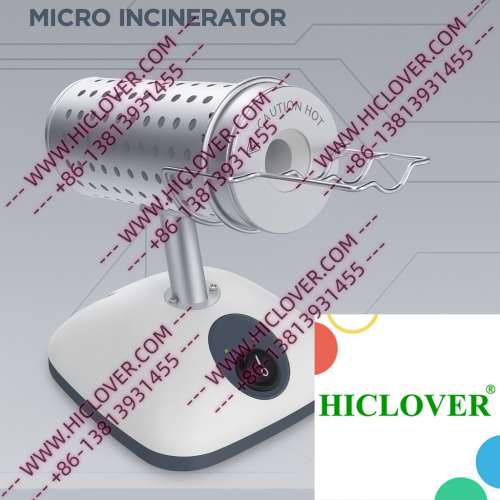
The Micro Incinerator operates using infrared heat, which is generated within an enclosed ceramic heating chamber. This configuration not only allows for rapid thermal sterilization but also markedly reduces the risk of contamination associated with traditional flame sterilizers like alcohol lamps and Bunsen burners. The infrared high-temperature disinfection feature ensures that tools can be sterilized in seconds, allowing for prompt use without compromising safety.
Key Features of Low Smoke Sterilizer Heaters
- Rapid sterilization capabilities.
- No open flame, reducing fire hazard.
- Enclosed ceramic tube for enhanced safety.
- Low smoke emissions, contributing to a cleaner working environment.
- Electric operation, eliminating the need for gas or alcohol fuel.
Application Scenarios in Real Labs
Biosafety Cabinet Operations: In BSL-2 and BSL-3 microbiology labs, the Micro Incinerator is instrumental in maintaining sterile conditions. The low smoke emissions are crucial in biosafety cabinets, where any contaminant can compromise not only the experiments but also the personnel’s safety. The infrared sterilizer can quickly reset the sterilization process, ensuring that microbiological cultures are handled safely and efficiently.
University Teaching Labs: Universities often face the challenge of teaching biological safety protocols while ensuring students are correctly trained in sterilization techniques. Implementing Micro Incinerators in teaching labs serves dual purposes. It provides a modern sterilization method, while also allowing students to gain hands-on experience with advanced laboratory sterilization equipment. The elimination of open flames means a safer learning environment, reducing the risk of accidents.
Biosafety Compliance and Environmental Responsibilities
Adhering to biosafety guidelines from the World Health Organization (WHO) is essential in laboratory sterilization. WHO emphasizes strict protocols for sterilization processes, especially in clinical diagnostics settings. Traditional flame sterilizers may not meet these standards due to their open flames and associated risks of contamination and fire hazards. In clean room environments, the absence of flames ensures compliance with stringent standards laid out for contaminant control.
Moreover, laboratories increasingly need to consider their impact on the environment. Low smoke sterilization technologies contribute to cleaner operations by minimizing aerosol generation and smoke emissions, thereby aligning with global sustainability targets.
Comparison of Micro Incinerator vs. Flame Burners
| Feature | Micro Incinerator | Flame Burners |
|---|---|---|
| Heat Source | Infrared (Electric) | Open Flame |
| Safety | No open flames, lower explosion risk | High risk of fire and burns |
| Emissions | Low smoke | High smoke and aerosol generation |
| Speed | Rapid sterilization | Variable, slower |
| Cost of Operation | Lower energy costs | Higher fuel costs |
FAQs
What is the primary benefit of using a Micro Incinerator in the lab?
The primary benefit is enhanced safety and efficiency in sterilization processes, particularly suited for sensitive environments like BSL-3 labs.
Can the Micro Incinerator be used in a regular classroom?
Yes, the Micro Incinerator is an excellent tool for educational purposes in university teaching labs, offering a safe means of teaching sterilization techniques.
How does the infrared sterilization process work?
The Micro Incinerator utilizes infrared heat to quickly and effectively sterilize tools, making it faster and safer compared to traditional flame methods.
Is there any ongoing maintenance required for the sterilizer?
Minimal maintenance is required, mainly ensuring that the ceramic tube is clean and free from residues to maintain optimal performance.
What compliance standards does the Micro Incinerator meet?
It meets several laboratory sterilization standards mandated by organizations like WHO, ensuring safety and efficacy in sterilization protocols.
Conclusion
In conclusion, as laboratories continue to prioritize patient safety and contamination control, incorporating Low Smoke Sterilizer Heaters such as the Micro Incinerator becomes increasingly vital. Its advanced sterilization capabilities, coupled with enhanced safety features, make it an essential piece of equipment for any modern laboratory environment. Investing in this technology not only complies with safety standards but also contributes to a safer and more efficient working atmosphere. For personalized recommendations or to inquire about purchasing options, feel free to contact us!
Categories:
Tags: