
In the fast-evolving landscape of laboratory biosafety, researchers and technicians face numerous challenges in ensuring effective sterilization while maintaining workflow efficiency. With the threat of contamination always looming, the need for reliable sterilization methods has never been more critical. Traditional flame sterilizers, such as alcohol lamps and Bunsen burners, are gradually being replaced by advanced technologies like the micro incinerator or infrared inoculating loop sterilizer. In this article, we will explore the advantages of these modern sterilizers and offer insights into what US suppliers have to offer.
Technical Principles of Micro Incinerators
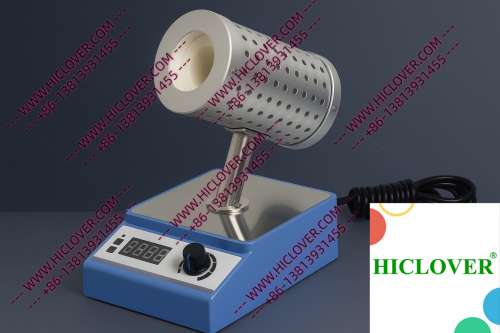
The micro incinerator employs a unique approach to sterilization through rapid thermal sterilization. Utilizing infrared heat generated within an enclosed ceramic tube, these devices can achieve high temperatures quickly, making them efficient for the task at hand. Unlike traditional flame sterilizers, micro incinerators provide a clean, controlled environment, minimizing the risk of aerosol contamination. The high-intensity infrared heating ensures that inoculating loops, needles, and other instruments are disinfected in mere seconds.
Applications of Micro Incinerators in Real Labs
Micro incinerators have made significant inroads across various applications in laboratory settings. Here are two practical scenarios where their use proves invaluable:
- Biosafety Cabinets: In BSL-2 and BSL-3 microbiology labs, maintaining a sterile environment is crucial. Micro incinerators are ideal for sterilizing instruments without introducing flames, thereby ensuring a safe work area that adheres to strict contamination control protocols.
- University Teaching Labs: Educational institutions benefit greatly from incorporating micro incinerators in teaching labs. By demonstrating safe sterilization techniques, instructors can provide hands-on experience with reliable equipment, preparing students for real-world applications in clinical diagnostics and research settings.
- What is a micro incinerator used for? A micro incinerator is primarily used for the rapid thermal sterilization of inoculating loops and other lab instruments, providing a safe and efficient means to eliminate contamination.
- How does the infrared technology work? Micro incinerators use infrared heat to quickly reach high sterilizing temperatures, effectively disinfecting tools without combustion or exposure to open flames.
- Are micro incinerators compliant with lab regulations? Yes, micro incinerators adhere to various laboratory compliance standards including those set by the WHO, making them suitable for cleanroom applications and biosafety environments.
- Can micro incinerators be used in field testing environments? Absolutely! Their compact design and ease of use make them ideal for mobile labs conducting field testing, particularly in remote locations.
- What are the maintenance requirements for a micro incinerator? Micro incinerators require minimal maintenance, primarily focusing on cleaning the ceramic heating chamber to ensure optimal performance.
Compliance and Environmental Considerations
Compliance with biosafety standards is essential in laboratory settings. The World Health Organization (WHO) emphasizes stringent biosafety practices, particularly in labs handling infectious agents. Micro incinerators align well with these standards, as they do not produce flame, making them suitable for cleanroom environments and minimizing the risk of fire hazards. Moreover, laboratories moving towards sustainable practices find micro incinerators to be an eco-friendlier option compared to traditional flame sterilizers.
Advantages of Micro Incinerators Over Traditional Flame Sterilizers
| Features | Micro Incinerator | Traditional Flame Sterilizers |
|---|---|---|
| Heat Source | Infrared heating | Bunsen burner/alcohol flame |
| Contamination Control | Aerosol-free handling | Risk of aerosol creation |
| Ease of Use | Quick temperature adjustment | Requires flame management |
| Safety | No open flame | Open flame hazards |
| Portability | Lightweight, compact | Less portable, requires gas supply |
Frequently Asked Questions
Conclusion: Making the Right Choice for Your Laboratory
When it comes to sterilizing laboratory instruments efficiently and safely, the choice of equipment can significantly impact both workflow and compliance with biosafety regulations. Micro incinerators offer a modern solution that satisfies the growing demands for rapid, flame-free sterilization while promoting a safer working environment. If you’re in the market for a high-quality micro incinerator, we encourage you to explore the offerings from reputable US suppliers. Reach out to us today for personalized recommendations and to enhance your laboratory sterilization processes.
Categories:
Tags: