
In the ever-evolving landscape of laboratory biosafety, the need for reliable sterilization methods is more imperative than ever. Russian clinics and laboratories are increasingly challenged to maintain high standards of contamination control while adhering to stringent biosafety regulations. With the rise of microbial threats and the need for rapid thermal sterilization, modern laboratories are embracing innovative solutions like the Micro Incinerator / Infrared Inoculating Loop Sterilizer. This article will delve into the technical principles of this cutting-edge sterilization equipment, explore its application in real-world laboratory scenarios, address compliance with global safety standards, and ultimately highlight the advantages it holds over traditional flame sterilizers.
Technical Principles of Infrared Sterilization
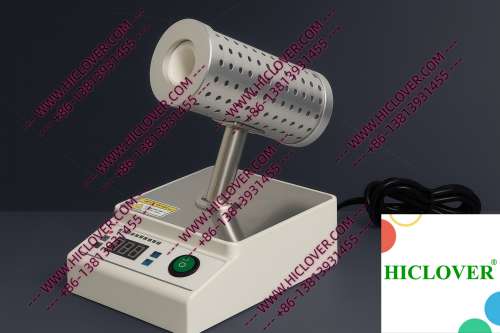
The Micro Incinerator operates on the principle of infrared heat, utilizing an enclosed ceramic tube that achieves high temperatures quickly and efficiently. Unlike traditional flame sterilizers such as alcohol lamps and Bunsen burners, which can pose safety risks and create hazardous aerosols, the Micro Incinerator offers a clean-bench-safe method of sterilization.
This system generates infrared radiation that heats the inoculating loop uniformly, minimizing the risk of uneven sterilization. The ceramic heating chamber ensures rapid thermal sterilization, effectively eliminating bacterial and viral contaminants without the release of harmful particles into the workspace.
Applications in Real Labs
1. Biosafety Cabinet Usage
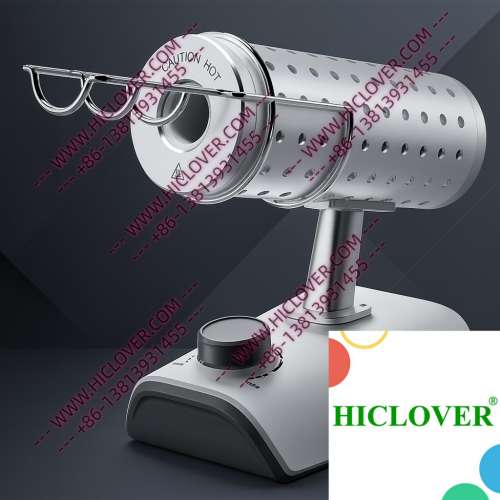
In BSL-2 and BSL-3 microbiology labs, where the handling of pathogenic microorganisms is routine, the Micro Incinerator proves indispensable. Its portability allows for placement within biosafety cabinets, facilitating aerosol-free handling of instruments in a contained environment. With swift heat-up times, technicians can efficiently sterilize inoculating loops between samples, ensuring adherence to lab protocols without compromising safety.
2. Teaching Labs in Universities
The educational sector also benefits significantly from this technology. In university teaching labs, where students learn microbiological techniques, the Micro Incinerator enhances safety during practical sessions. Students can use the sterilizer with minimal supervision, as there’s no open flame, reducing the risk of accidents and burns. This innovative tool provides a low-maintenance alternative while reinforcing best practices in cleanliness and sterility.
Compliance with Lab Sterilization Standards
Adhering to international protocols is paramount for any laboratory. The World Health Organization (WHO) emphasizes the need for effective biosafety practices to mitigate risks in clinical and research settings. Traditional flame sterilizers, while effective, can create hazards in cleanrooms due to open flames.
- WHO Biosafety Guidelines: These guidelines prioritize the safety of laboratory staff while minimizing ecological impact.
- Lab Sterilization Standards: ISO and other local standards dictate sterilization methods, promoting the use of safer alternatives like electronic sterilizers.
- Flame-Free Environments: The Micro Incinerator’s design makes it suitable for cleanroom applications, where flame use is strictly controlled.
Comparison with Traditional Flame Sterilizers
| Feature | Micro Incinerator | Flame Burners |
|---|---|---|
| Heat Source | Infrared | Open Flame |
| Safety | No open flames, aerosol-free | Fire hazard, aerosol production |
| Control | Precise temperature settings | Difficult to control |
| Application | Cleanroom compatible | Not recommended for clean environments |
Frequently Asked Questions
1. What are the benefits of using a Micro Incinerator over traditional sterilizers?
The Micro Incinerator provides rapid thermal sterilization without the hazards of open flames, allowing for safer practices in laboratories, especially in biosafety cabinets.
2. Can the Micro Incinerator be used in field testing labs?
Yes, its portability and rapid heat generation make it an ideal choice for field testing labs that require reliable sterilization in various environments.
3. How does the Micro Incinerator comply with biosafety standards?
Its design aligns with WHO guidelines and ISO standards, ensuring effective sterilization while enhancing safety in sterile environments.
4. Is the Micro Incinerator easy to maintain?
Yes, it requires minimal maintenance compared to traditional flame sterilizers, making it a cost-effective solution for labs.
5. Where can I purchase a Micro Incinerator?
You can reach out to specialized laboratory supply distributors or medical equipment suppliers in Russia for high-quality products.
Conclusion
As the focus on laboratory biosafety intensifies, the Micro Incinerator / Infrared Inoculating Loop Sterilizer stands out as an innovative solution that addresses the sterilization needs of modern laboratories. Its ability to provide efficient, safe, and effective sterilization makes it indispensable for a variety of applications, ranging from clinical diagnostics to educational settings.
If you’re looking to upgrade your laboratory’s sterilization workflow or need more information on adopting this technology, don’t hesitate to contact us. Equip your facility with the safest and most effective sterilization tools available today.
Categories:
Tags: