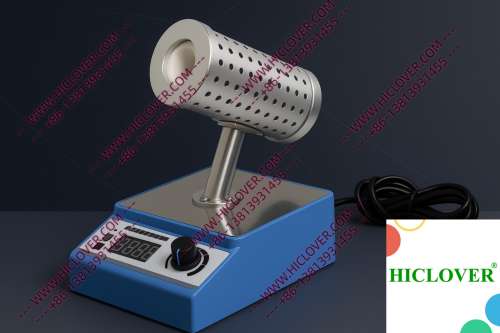
As Kuwait faces increasing environmental challenges, particularly in waste management, laboratories play a critical role in finding innovative solutions to reduce landfill dependency. The rise in awareness regarding biosafety, along with stringent regulations, necessitates advanced sterilization processes. In this regard, laboratory sterilization equipment, such as the Micro Incinerator or Infrared Inoculating Loop Sterilizer, presents a promising avenue for revolutionizing waste disposal methods in the scientific community.
Laboratory Biosafety Challenges
Laboratories are often grappling with significant biosafety challenges stemming from contamination risks. Conventional methods of sterilization, such as using alcohol lamps or Bunsen burners, may not meet the necessary safety standards or address aerosol challenges in sensitive environments. Moreover, managing biohazardous waste is paramount in research and clinical diagnostics to ensure public health and safety. As a result, there is a growing demand for rapid thermal sterilization technologies that provide effective solutions for these biosafety concerns.
Technical Principles of Infrared Sterilization
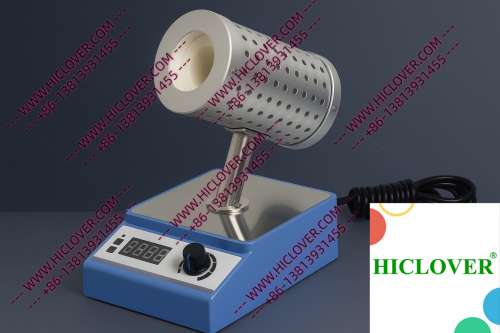
The Micro Incinerator harnesses the power of infrared heat in a controlled manner, achieving high-temperature disinfection while eliminating the risks associated with open flames. It features a ceramic heating chamber enclosed in a constructed tube, allowing for efficient, targeted heating of instruments and materials. The design ensures that sterilization occurs quickly, with cycle times significantly reduced compared to traditional methods. The absence of flames or aerosols not only enhances user safety but also makes it suitable for use within clean-bench environments.
Application Scenarios in Modern Laboratories
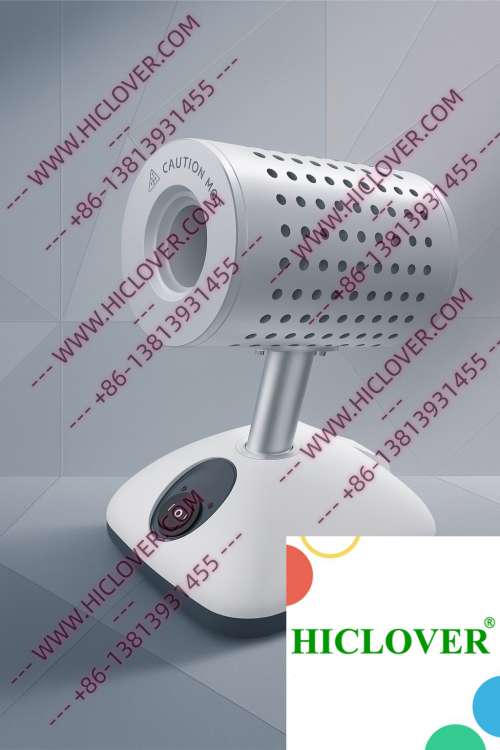
- Biosafety Cabinet Operations: In BSL-2 and BSL-3 microbiology labs, the Micro Incinerator provides a critical function in sterilizing inoculation loops or other instruments within biosafety cabinets. This configuration minimizes contamination risks while maintaining the integrity of sensitive samples.
- Field Testing Protocols: For field testing scenarios, the compact design of the Micro Incinerator allows researchers to perform sterilization processes on-site, such as when collecting samples from environmental sources. This capability is vital in areas where waste disposal regulations are stringent, reducing the potential for microbial contamination.
Compliance and Environmental Impact
Adhering to biosafety standards is essential for laboratories engaged in biological research or clinical diagnostics. Organizations such as the World Health Organization (WHO) highlight the importance of compliance with laboratory sterilization standards to prevent contamination and ensure safe practices. The Micro Incinerator aligns with these guidelines well, eliminating the need for flames in clean rooms and maintaining a sanitary workplace.
This equipment not only aids in achieving compliance but also plays a pivotal role in reducing landfill dependency by promoting eco-friendly waste management. With its ability to sterilize and subsequently dispose of waste materials rapidly, the Micro Incinerator aids Kuwait in tackling its landfill challenges, moving towards a more sustainable future.
Advantages Over Traditional Flame Sterilizers
Compared to traditional flame sterilizers, the Micro Incinerator offers numerous advantages:
- Safety: The enclosed design minimizes flare risk and eliminates burn hazards associated with open flames.
- Efficiency: Faster cycle times lead to increased productivity in laboratories.
- Contamination Control: Infrared heat reduces aerosol generation, making it safer for use in cleanroom environments.
- Sustainability: Reduces waste sent to landfills, providing an environmentally friendly solution for biohazard waste disposal.
FAQs
What is a Micro Incinerator?
A Micro Incinerator is a laboratory sterilization tool that uses infrared heat to effectively sterilize instruments and materials without the risks associated with open flames. Its compact design is suitable for both laboratory and field applications.
What are the benefits of using infrared sterilization over flame sterilization?
Infrared sterilization provides greater safety by eliminating open flames, allows for more efficient sterilization cycles, and reduces the risks of aerosols, which can compromise biosafety in laboratories.
Is the Micro Incinerator compliant with international biosafety standards?
Yes, the Micro Incinerator complies with best practices and guidelines set forth by organizations such as the WHO, making it suitable for use in various laboratory settings.
Can the Micro Incinerator be used in field testing applications?
Absolutely! Its compact size and efficient operation make the Micro Incinerator an excellent choice for on-site sterilization during field testing.
How does the Micro Incinerator aid in waste management in Kuwait?
The Micro Incinerator supports eco-friendly waste practices by allowing laboratories to effectively sterilize and manage waste, which reduces the volume of biohazard waste sent to landfills.
Conclusion
In conclusion, the Micro Incinerator / Infrared Inoculating Loop Sterilizer stands out as an innovative solution to the pressing waste management problems facing Kuwait. By adopting advanced sterilization processes, laboratories not only enhance their biosafety procedures but also take significant steps towards reducing landfill dependency. For laboratories looking to modernize their sterilization techniques while ensuring compliance and safety, the Micro Incinerator is an invaluable addition. Reach out to explore how this sophisticated sterilization equipment can enhance your operations!
Categories:
Tags: