
In today’s laboratories, particularly in Indonesia, biosafety challenges are more pronounced than ever due to the increasing demands for efficient sterilization workflows. Traditional methods of sterilization, such as alcohol lamps and Bunsen burners, not only pose risks of contamination but also require careful handling to mitigate exposure to flames or fumes. With the rising focus on environmental sustainability, laboratories are now turning towards innovative solutions like the Micro Incinerator, or Infrared Inoculating Loop Sterilizer, that address these biosafety challenges directly.
Technical Principles of Micro Incinerators
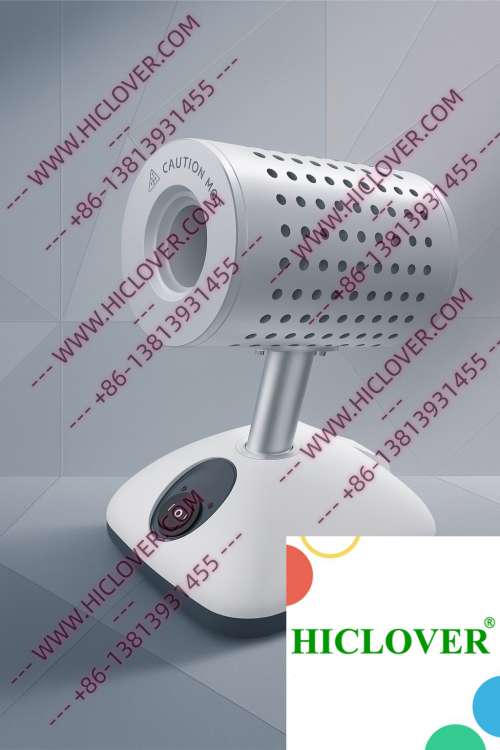
Micro Incinerators utilize revolutionary infrared heat technology, which operates through a ceramic heating chamber to produce consistent, high temperatures for rapid thermal sterilization. Unlike traditional flame-based methods, the enclosed ceramic tube provides a clean and controlled environment, significantly reducing the risk of aerosol production and eliminating open flames. This leads to safer laboratory practices and preserves the integrity of sterile environments.
Key Features of Micro Incinerators
- Rapid Thermal Sterilization: Quick heating times significantly enhance workflow efficiency.
- Contamination Control: The enclosed design minimizes the spread of contaminants.
- Ergonomic Design: Compact and lightweight for improved portability.
- Environmentally Friendly: Reduces reliance on flammable liquids.
- Easy Maintenance: Self-cleaning features make upkeep simple and efficient.
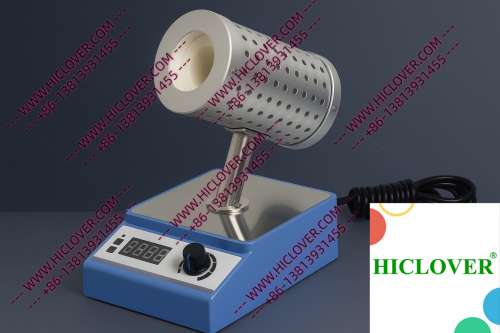
Application Scenarios in Real Labs
1. Biosafety Cabinets
In BSL-2 and BSL-3 microbiology labs, where the handling of infectious agents is common, the Micro Incinerator provides an effective sterilization solution without the risk associated with open flames. The high-temperature disinfection achieved through infrared technology ensures that inoculating loops, needles, and other tools can be sterilized rapidly and safely within the confines of a biosafety cabinet, maintaining a clean-bench-safe environment.
2. Field Testing Laboratories
In remote field testing labs, the mobility of the Micro Incinerator proves invaluable. This versatile device can be employed in situations where traditional sterilization tools might not be safe or practical, such as in CO₂ incubator operations or other anaerobic chamber applications. Its lightweight design allows researchers to maintain good sterilization practices without compromising safety or efficiency.
Compliance and Environmental Standards
Adherence to global biosafety standards is essential, especially in laboratory environments dealing with pathogens. The World Health Organization (WHO) places strong emphasis on proper sterilization methods to prevent contamination and ensure safe laboratory practices. The Micro Incinerator not only meets but exceeds many laboratory sterilization standards, making it an excellent choice for facilities looking to enhance their compliance status. The absence of flames in clean rooms promotes safety and decreases the risk of ignition in volatile environments.
Comparison: Micro Incinerator vs. Traditional Flame Sterilizers
| Feature | Micro Incinerator | Traditional Flame Sterilizers |
|---|---|---|
| Temperature Control | Consistent and adjustable | Variable and often less reliable |
| Safety | Enclosed, aerosol-free | Open flame presents risks |
| Ease of Use | One-handed operation | Requires careful handling |
| Environmental Impact | Minimal, no flames | Higher, uses flammable materials |
Frequently Asked Questions
1. What is the primary advantage of using a Micro Incinerator over traditional methods?
The Micro Incinerator offers enhanced safety with an enclosed design, reduced contamination risks, and improved workflow efficiency due to rapid heating times.
2. Can a Micro Incinerator be used in a mobile or field testing lab?
Absolutely! Its compact and lightweight design makes it perfect for mobile applications where sterilization needs to happen on-site.
3. Is the Micro Incinerator compliant with WHO biosafety standards?
Yes, it surpasses many laboratory sterilization standards set by organizations like the WHO, ensuring safety and compliance in handling biohazardous materials.
4. How does the Micro Incinerator compare in terms of environmental sustainability?
Micro Incinerators have a much lower environmental impact compared to traditional flame sterilizers as they do not use flammable liquids, reducing fire hazards.
5. What types of laboratories can benefit from using a Micro Incinerator?
BSL-2 and BSL-3 microbiology labs, clinical diagnostics, and university teaching labs can all significantly benefit from its efficient sterilization capabilities.
Conclusion
The adoption of Micro Incinerators represents a significant step forward for laboratories in Indonesia seeking enhanced biosafety and environmental sustainability. By integrating this innovative sterilization technology into your laboratory practices, you can improve safety, efficiency, and compliance. For organizations ready to make the switch, we invite you to explore our high-quality Micro Incinerator / Infrared Inoculating Loop Sterilizer options—connect with us today for a consultation and elevate your sterilization protocols!
Categories:
Tags: