
As laboratories continue to push the boundaries of research and diagnostics, they face numerous biosafety challenges that demand efficient yet safe sterilization workflows. Contamination control is paramount, especially in environments like BSL-2 and BSL-3 microbiology labs where the handling of pathogenic organisms occurs. In this context, the Micro Incinerator, particularly the Infrared Inoculating Loop Sterilizer, emerges as an innovative solution, transforming the traditional methods of sterilization.
Technical Principles of the Micro Incinerator
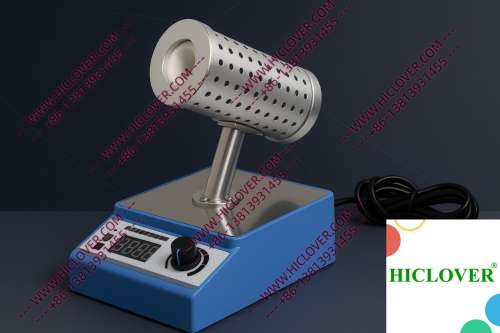
The core of the Micro Incinerator lies in its ability to employ rapid thermal sterilization using infrared heat. Unlike traditional flame sterilizers, which often employ a flame-based strategy, the Micro Incinerator uses an enclosed ceramic tube that generates infrared high-temperature disinfection. This enclosed design minimizes exposure to flames, making it perfectly safe for use in clean rooms. The ceramic heating chamber can achieve temperatures necessary to eliminate all microbial life while significantly reducing the risk of aerosol production, a common issue with conventional flame sterilizers.
- Rapid Sterilization: Achieves sterilization in seconds.
- Contamination Control: Reduces the risk of pathogen spread.
- Space Efficiency: Compact design for efficient laboratory workflows.
Applications in Real Laboratories
Biosafety Cabinet Operations
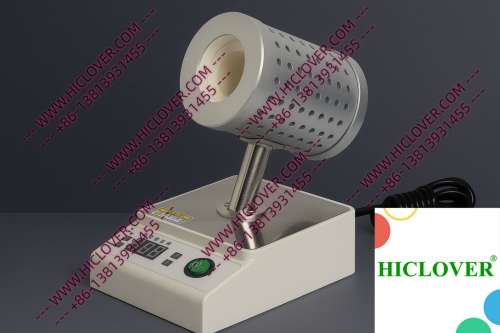
In BSL-2 and BSL-3 laboratories, the Micro Incinerator is used frequently within biosafety cabinets. Here, researchers safely sterilize inoculating loops without the fire hazards associated with traditional alcohol lamps. The ability to quickly and effectively eliminate contaminants helps streamline laboratory processes while ensuring maximum safety for personnel working with hazardous pathogens.
Field Testing and Teaching Labs
Unlike fixed laboratory settings, field testing environments necessitate portable, reliable sterilization equipment. The Micro Incinerator meets this requirement perfectly, allowing scientists to perform operations in remote locations without any risk associated with open flames. Additionally, in university teaching labs, instructors utilize the Infrared Inoculating Loop Sterilizer for training students on sterilization techniques, reinforcing proper lab safety protocols in an educational context.
Compliance with Biosafety and Sterilization Standards
The adoption of the Micro Incinerator aligns with WHO biosafety standards and other relevant sterilization guidelines. These guidelines emphasize the importance of non-flame sterilization techniques in clean environments to prevent contamination spread. In clinical diagnostics, compliance with stringent lab sterilization standards is not just a regulatory requirement but also an ethical obligation to ensure patient safety and trust.
The Micro Incinerator’s capability to operate without flames makes it particularly suitable for environments where aerosol generation must be minimized. This positions it as a strong alternative in settings that prioritize contamination control and efficient sterilization practices.
Comparison: Micro Incinerator vs. Traditional Flame Burners
| Feature | Micro Incinerator | Flame Burners (Bunsen/Alcohol Lamp) |
|---|---|---|
| Source of Heat | Infrared Technology | Open Flame |
| Safety | Safe for Clean Rooms | Risk of Fire, Aerosols |
| Speed of Sterilization | Instantaneous | Variable |
| Ease of Use | Single-button Operation | Requires Flame Management |
FAQs About Micro Incinerator Technology
What are the primary benefits of using a Micro Incinerator over traditional flame sterilizers?
The main benefits include rapid sterilization, reduced risk of contamination, user safety, and compliance with modern laboratory standards.
Is the Micro Incinerator safe to use in BSL-2 or BSL-3 labs?
Yes, its design supports optimal biosafety practices, ensuring safe operation in high-containment laboratories.
How does the Micro Incinerator meet clean room standards?
The heat source operates without an open flame, which minimizes the risk of contamination and aerosol production crucial for clean room settings.
What kind of materials can be effectively sterilized with the Micro Incinerator?
It effectively sterilizes inoculating loops, pipette tips, and similar laboratory tools without compromising their integrity.
Where can I purchase a Micro Incinerator?
Leading laboratory suppliers, including local distributors and specialized scientific equipment retailers, typically stock this innovative device.
Conclusion: Innovate Your Laboratory Sterilization Process
The Micro Incinerator / Infrared Inoculating Loop Sterilizer represents a paradigm shift in laboratory sterilization technology. With its compact size, rapid performance, and enhanced safety features, it stands as an essential tool in various medical and educational environments. For laboratories seeking to enhance their sterilization workflows while adhering to compliance standards, investing in this advanced technology is a wise decision. For further inquiries or to consider a purchase, please reach out to your trusted laboratory supply distributor today.
Categories:
Tags: