
In the world of laboratory biosafety, the demand for effective sterilization equipment is ever-increasing. Laboratories across the globe face unique challenges in ensuring the safety and integrity of their experiments while adhering to stringent biosafety regulations. From minimizing contamination risks to maintaining clean work environments in BSL-2 and BSL-3 labs, the need for advanced sterilization solutions cannot be overstated. This article delves into one of the most promising innovations in laboratory sterilization technology—the Micro Incinerator, an Infrared Inoculating Loop Sterilizer that is now leading the charge in Osaka and beyond.
Understanding Micro Incinerator Technology
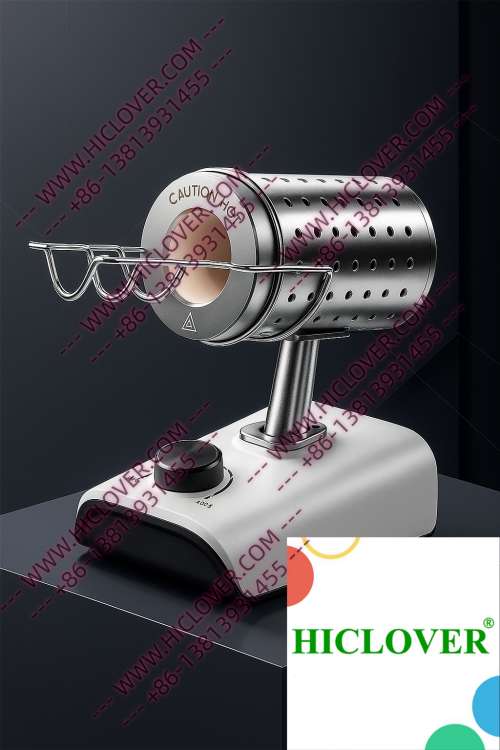
The Micro Incinerator utilizes advanced infrared heat technology to achieve rapid thermal sterilization. Unlike traditional flame sterilizers, such as alcohol lamps and Bunsen burners, which pose risks of open flames and inconsistent heating, the Micro Incinerator features an enclosed ceramic heating chamber. This design significantly reduces the risk of contamination and enhances safety in laboratory environments.
Operating at high temperatures, the Micro Incinerator provides effective disinfection without producing aerosols, making it ideal for sterile environments such as clean rooms. The efficiency of infrared high-temperature disinfection ensures that inoculating loops, needles, and other small tools are rapidly sterilized, streamlining the sterilization workflow.
Applications of the Micro Incinerator in Real Labs
1. Biosafety Cabinets
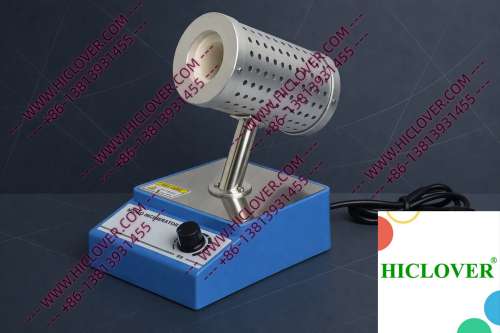
One of the most critical applications of the Micro Incinerator can be found in biosafety cabinets. These controlled environments require stringent sterilization measures to prevent pathogen contamination. Using the Micro Incinerator within a biosafety cabinet provides a clean and safe method to sterilize inoculation tools directly on the work surface, thus minimizing the risk of airborne contaminants. Without the flames associated with traditional sterilizers, lab personnel can work confidently, knowing their instruments are being effectively disinfected without compromising the sterile barrier of the cabinet.
2. Teaching Labs in Universities
In educational settings, particularly in university teaching labs, the Micro Incinerator is revolutionizing how students learn about sterilization processes. Traditional flame sterilization methods can be intimidating for beginners and require rigorous safety precautions. In contrast, the Micro Incinerator is easy to use, allowing students to focus on their experiments without the fear of handling open flames. The immediacy of infrared heat ensures that sterilization is performed quickly, giving students more time to engage in hands-on learning. Students can effortlessly understand the importance of contamination control with this user-friendly equipment.
Compliance and Environmental Considerations
Compliance with health and safety regulations is paramount in laboratory settings. The World Health Organization (WHO) provides guidelines on laboratory biosafety, underscoring the necessity of safe sterilization practices. The Micro Incinerator aligns with these standards by eliminating open flames, thereby complying with recommendations against using flame-based sterilizers in clean rooms.
Moreover, while traditional methods produce waste in the form of unconsumed ethanol or burnt materials, the Micro Incinerator results in minimal laboratory waste, contributing to an environmentally friendly approach to biosafety. Its efficient design reduces energy consumption, making it a sustainable choice for modern laboratories striving to minimize their carbon footprint.
Comparison: Micro Incinerator vs. Traditional Flame Sterilizers
| Feature | Micro Incinerator | Flame Sterilizers |
|---|---|---|
| Heat Source | Infrared | Open Flame |
| Safety | Enclosed, low risk | High risk of fire |
| Contamination Control | Aerosol-free handling | Aerosol generation possible |
| Ease of Use | User-friendly | Requires training |
| Environmental Impact | Low waste, energy efficient | Higher waste, energy consumption |
Frequently Asked Questions
- What is the primary advantage of using a Micro Incinerator for sterilization? The primary advantage lies in its ability to provide rapid thermal sterilization without the risks associated with open flames, offering a cleaner, safer alternative for any laboratory.
- Can the Micro Incinerator be used for field testing labs? Yes, the portability and efficiency of the Micro Incinerator make it suitable for field testing labs where space and safety are major considerations.
- How does the Micro Incinerator ensure compliance with biosafety standards? Its enclosed design and aerosol-free operation make it compliant with WHO standards, ensuring maximum biosafety in laboratory settings.
- Is the Micro Incinerator easy to operate for new users? Yes, its user-friendly design ensures that even newcomers to the lab can operate it effectively without extensive training.
- What types of labs benefit the most from using Micro Incinerators? Micro Incinerators are particularly beneficial in BSL-2/BSL-3 microbiology labs, clinical diagnostics, and teaching labs.
Conclusion
As laboratory sterilization needs continue to evolve, the Micro Incinerator stands out as a pivotal solution, particularly in regions like Osaka, where innovation meets environmental sustainability. By providing rapid thermal sterilization, eliminating the hazards associated with open flames, and meeting international compliance standards, this technology not only enhances safety but also improves laboratory workflows. For laboratories looking to invest in effective sterilization solutions, considering the Micro Incinerator will undoubtedly be a step in the right direction.
If you’re ready to upgrade your laboratory’s sterilization practices, or if you would like to learn more about how our Micro Incinerator can cater to your specific needs, please contact us for more information or to place an order.
Categories:
Tags: