
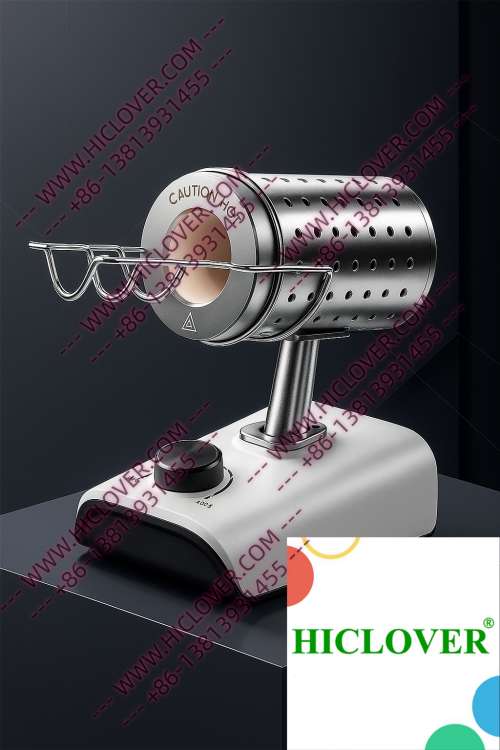
As Ghana advances toward a more sustainable future, combating pollution remains a significant challenge, particularly in laboratory settings where biohazardous waste is a constant concern. Traditional methods of sterilization, like alcohol lamps and Bunsen burners, are not only risky due to the open flame but also less efficient in terms of sterility assurance. The integration of Micro Incinerators, specifically the Infrared Inoculating Loop Sterilizer, into sterilization workflows stands out as a revolutionary step towards enhancing laboratory safety and operational efficiency.
Laboratory Biosafety Challenges: The Need for Efficient Sterilization
In laboratories, especially those classified as BSL-2 or BSL-3, the demands for stringent biosafety protocols are high. Contamination control is paramount when handling pathogenic organisms or biological materials. Laboratory personnel often face challenges such as:
- Rapid sterilization needs without risking contamination.
- The requirement for compact equipment within limited space, such as biosafety cabinets.
- A need for clean, flame-free environments to prevent aerosol generation.
These challenges underscore the importance of adopting innovative solutions. The Micro Incinerator, utilizing infrared technology, addresses these issues effectively.
Technical Principle Explained: The Power of Infrared Heat
The Micro Incinerator operates using an infrared heating principle. Unlike traditional flame-based sterilizers, this device features:
- An enclosed ceramic heating chamber that reaches temperatures sufficient for rapid thermal sterilization.
- High-temperature disinfection capabilities that ensure complete eradication of pathogens.
- Efficient energy use, achieving effective sterilization in mere seconds, minimizing downtime in laboratory workflows.
This technology provides cleaner results with less risk of contamination or exposure to hazardous substances, thereby enhancing laboratory safety.
Application Scenarios for Micro Incinerators
The versatility of Micro Incinerators allows for a wide array of applications across different laboratory environments. Here are two significant use cases:
1. Teaching Labs
In educational institutions, teaching labs require a high level of safety and effective sterilization techniques. Micro Incinerators can be integrated into the instructional framework to teach proper sterilization methods. Instructors can demonstrate the operation and importance of using such devices for handling microbial cultures, illustrating best practices in contamination control.
2. Field Testing Laboratories
Field testing scenarios often present unique challenges due to their decentralized locations. The portability and efficiency of Micro Incinerators allow for on-site sterilization of inoculating loops and other lab equipment. This capability not only improves safety but also ensures compliance with health standards even in remote areas.
Compliance with Biosafety Standards
Global and national organizations, such as the WHO, have outlined strict biosafety standards for laboratory operations. Compliance is critical to ensure both personnel safety and public health. Utilizing Micro Incinerators aligns with these guidelines:
- Aligned with WHO biosafety protocols, which emphasize the need for effective sterilization methods.
- Adheres to lab sterilization standards that dictate the necessity of flame-free environments in clean rooms.
- Overall risk reduction in exposing personnel to hazardous aerosols commonly generated by traditional sterilizers.
Ghanaian laboratories adopting such sterilization equipment contribute positively to environmental sustainability initiatives, reflecting a commitment to pollution control and waste reduction.
Micro Incinerator vs. Traditional Flame Sterilizers: A Comparison
| Feature | Micro Incinerator | Flame Sterilizers |
|---|---|---|
| Safety | Flame-free operation | Open flame presents a risk |
| Efficiency | Rapid thermal sterilization | Slower, depending on flame control |
| Contamination Control | Aerosol-free handling | Potential to create aerosols |
| Energy Use | Low, focused energy consumption | High-energy inefficiency due to flame |
Frequently Asked Questions About Micro Incinerators
What is a Micro Incinerator?
A Micro Incinerator is a laboratory sterilization device that uses infrared technology to rapidly sterilize inoculating loops and other tools without the use of an open flame.
How does the Micro Incinerator improve biosafety?
By eliminating the hazards associated with open flames and providing effective, rapid sterilization, the Micro Incinerator significantly enhances biocontainment measures in laboratories.
Is the Micro Incinerator suitable for field use?
Yes, its portable design makes it ideal for on-site applications in field testing of biological samples or microorganisms where traditional sterilization methods are impractical.
Can Micro Incinerators be used in BSL-2 and BSL-3 laboratories?
Absolutely. Micro Incinerators meet the strict sterilization standards required in both BSL-2 and BSL-3 laboratory settings.
What are the maintenance requirements for a Micro Incinerator?
Similar to other laboratory equipment, periodic checks and cleaning of the heating chamber are recommended to ensure optimal performance and longevity.
Conclusion: Invest in the Future of Sterilization
As Ghana strives to address its pollution challenges, adapting advanced technologies such as Micro Incinerators in laboratory workflows is essential. This innovative approach not only ensures compliance with biosafety standards but also supports the overarching goal of environmental stewardship. Enhance your lab’s safety and efficiency by investing in a Micro Incinerator today. For more information or to inquire about purchasing options, please contact us!
Categories:
Tags: