
In the landscape of laboratory biosafety, managing contamination and ensuring sterilization are paramount. With the increasing demand for swift and effective sterilization methods, especially in academic settings, the need for reliable laboratory sterilization equipment has never been more crucial. Traditional methods, including alcohol lamps and Bunsen burners, are rapidly giving way to advanced solutions like the Micro Incinerator / Infrared Inoculating Loop Sterilizer. This article explores the many advantages of using loop sterilizers in academic labs, addressing their technical principles, applications, compliance with biosafety standards, and more.
Understanding the Technical Principles of Infrared Loop Sterilizers
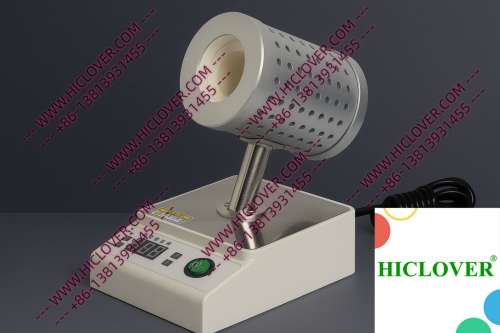
At the heart of the Micro Incinerator / Infrared Inoculating Loop Sterilizer is its unique technology that leverages high-temperature infrared heat. Unlike traditional flame sterilizers, which expose inoculating loops to open flames, this device employs an enclosed ceramic tube that heats rapidly and evenly. This design not only enhances safety by eliminating open flames, making it clean-bench-safe but also improves the efficiency of sterilization processes.
The sterilizer achieves rapid thermal sterilization by generating temperatures that can swiftly eliminate microbial contaminants on inoculating loops. This high-temperature disinfection is crucial in environments such as BSL-2 and BSL-3 microbiology labs, where contamination control is vital.
Applications of Micro Incinerators in Laboratories
The Micro Incinerator is the embodiment of innovation in several practical laboratory settings:
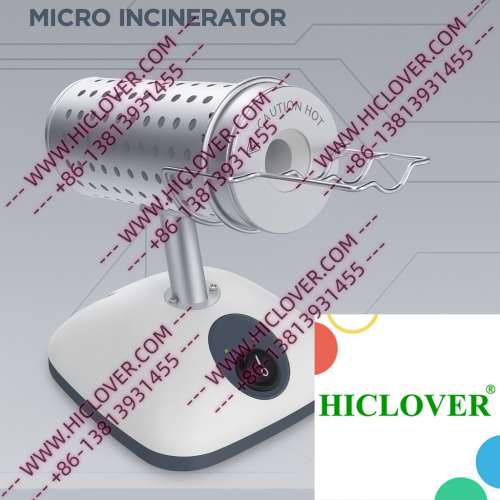
- Clinical Diagnostics: In clinical labs where rapid turnover is essential, the Micro Incinerator allows technicians to sterilize loops quickly between samples, reducing the risk of cross-contamination.
- University Teaching Labs: Educational institutions, such as those in urban centers like New York or London, benefit from incorporating infrared sterilizers, which not only shorten lab time but also preclude students from handling open flames, enhancing safety during experiments.
- Field Testing: For mobile or field testing labs deployed in remote areas, the compact and portable design of the Micro Incinerator enables researchers to conduct necessary sterilization effectively despite limited access to electricity.
Compliance and Environmental Considerations
Laboratories worldwide must adhere to strict biosafety protocols set forth by organizations like the WHO. The Micro Incinerator aligns closely with these biosafety standards, particularly regarding flame-free operation in clean rooms. Unlike traditional flame-based methods, which can release aerosols, the infrared sterilizer minimizes such risks, making it suitable for sensitive environments where contamination must be meticulously managed.
This compliance extends not only to laboratory standards but also to environmental considerations. Infrared sterilization is typically energy efficient, reducing the carbon footprint of sterilization processes in labs. By utilizing compact design and low-energy consumption, the Micro Incinerator stands as a preferred choice for eco-conscious laboratories aiming to limit their environmental impact.
Comparison: Micro Incinerator vs. Traditional Flame Burners
| Feature | Micro Incinerator | Flame Burners |
|---|---|---|
| Heating Method | Infrared High-Temperature | Open Flame |
| Safety | No Flame | High Fire Risk |
| Speed of Sterilization | Rapid | Moderate |
| Contamination Control | Minimized Aerosols | Potential for Aerosol Release |
| Maintenance | Low | High (due to soot and residue) |
Frequently Asked Questions
What is the main advantage of using a Micro Incinerator over a traditional flame sterilizer?
The primary advantage is that the Micro Incinerator eliminates the risks associated with open flames, providing a safer, cleaner, and more efficient method of sterilization.
How does the Micro Incinerator ensure rapid thermal sterilization?
The device utilizes infrared heat technology that reaches high temperatures quickly, allowing for effective sterilization of inoculating loops within seconds.
Can the Micro Incinerator be used in a BSL-3 laboratory?
Yes, the Micro Incinerator is suitable for use in BSL-3 labs due to its effective sterilization capabilities and its design that minimizes contamination risk.
Is it energy-efficient?
Absolutely, the Micro Incinerator is designed to consume less energy compared to traditional sterilization methods, making it eco-friendly and cost-effective.
Where can I purchase a Micro Incinerator?
You can acquire a Micro Incinerator through laboratory supply distributors or directly from manufacturers specializing in advanced sterilization equipment.
Conclusion
The Micro Incinerator / Infrared Inoculating Loop Sterilizer redefines the standard for laboratory sterilization equipment in academic settings. With its advanced technology, safety features, and compliance with global biosafety standards, it offers an unparalleled solution for both teaching and research laboratories. If you are looking to enhance your lab’s sterilization process while prioritizing safety and efficiency, consider investing in the Micro Incinerator today. Reach out for more information or to place your order!
Categories:
Tags: