
Laboratories face a continuous challenge in maintaining biosafety standards while ensuring efficient sterilization of equipment. In environments such as BSL-2 and BSL-3 microbiology labs, the need for reliable, rapid thermal sterilization methods is crucial. Traditional flame sterilizers, like alcohol lamps and Bunsen burners, often introduce risks including contamination, open flames, and inadequate sterilization times. This is where the Micro Incinerator or Infrared Inoculating Loop Sterilizer stands out as a vital component in modern laboratory sterilization workflows.
The Technical Principles Behind Micro Incinerators
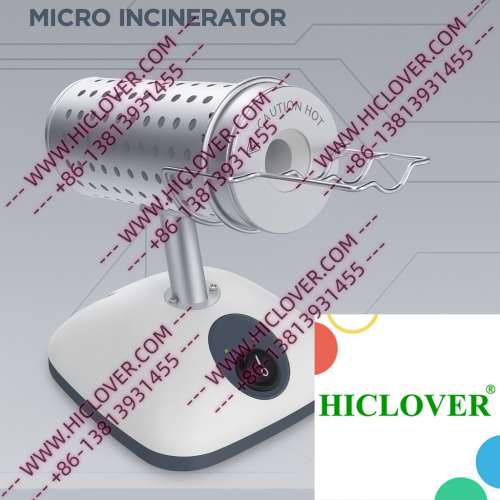
The Micro Incinerator utilizes infrared heat technology to achieve high-temperature disinfection without the risks associated with conventional flame-based sterilizers. At the heart of this device is a ceramic heating chamber, designed to raise the temperature rapidly and deliver consistent heat to inoculating loops, needles, and other small laboratory tools.
Unlike traditional methods, micro incinerators generate infrared radiation that penetrates the surface of instruments, ensuring rapid thermal sterilization. This efficient heating mechanism allows for minimal aerosol production and contamination control, making it a clean-bench-safe option for laboratory environments. The enclosed ceramic tube design further enhances safety, reducing the risk of exposure to flames while maintaining effective sterilization.
Application Scenarios in Real Labs
1. Field Testing Laboratories
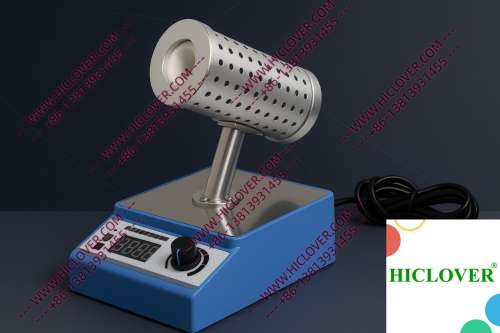
In mobile or field testing labs, sterility is paramount for accurate sampling and analysis. Here, micro incinerators shine due to their compact design and portability. Researchers can easily carry them to isolated sites, ensuring that inoculating loops remain uncontaminated during various specimen collection processes, such as soil or water testing in remote areas.
2. University Teaching Labs
In academic settings, especially those involving microbiological studies, students require safe and reliable methods for sterilizing tools before use. The Micro Incinerator proves to be an exceptional choice for teaching labs. Its straightforward operation allows students to practice proper sterilization techniques without the fear of burns or accidents associated with open flame sterilizers.
Compliance and Environmental Considerations
Compliance with established biosafety regulations is crucial in laboratory environments. According to the World Health Organization (WHO) guidelines, laboratories must ensure effective sterilization methods that prevent pathogen transmission. The Micro Incinerator aligns with these standards, offering a reliable alternative to flame sterilizers in clean rooms and other controlled environments.
Moreover, as laboratories increasingly focus on sustainability, the reduced risk of combustion and lower emissions associated with micro incinerators support eco-friendly practices in lab operations. By relying on rapid thermal sterilization methods, labs also minimize fuel consumption, further contributing to a greener operational footprint.
Advantages of Micro Incinerators
| Feature | Micro Incinerator | Flame Sterilizers |
|---|---|---|
| Safety | Enclosed, no open flame, minimal risk of burns | Open flames, risk of accidents and burns |
| Sterilization Time | Rapid thermal sterilization in seconds | Variable time based on flame intensity |
| Contamination Control | Aerosol-free handling, enclosed design | Potential aerosol generation, open exposure |
| Portability | Compact and lightweight | Less portable and often bulkier |
| Maintenance | Low maintenance, easy to clean | Requires more upkeep and safety checks |
FAQs
- What is the primary advantage of using a Micro Incinerator for sterilization over a Bunsen burner?
The Micro Incinerator removes the risks associated with open flames, offers rapid sterilization, and reduces the potential for contamination through aerosol production. - Can Micro Incinerators be used in clinical diagnostic labs?
Yes, they are particularly suitable for clinical environments due to their safety and efficiency, ensuring tools remain sterile while minimizing risk. - How do I maintain my Micro Incinerator?
Maintenance is minimal; simply clean the ceramic tube regularly and check for any disruptions in function to ensure optimal performance. - Are Micro Incinerators compliant with biosafety standards?
Yes, they meet WHO biosafety guidelines, including those for use in BSL-2 and BSL-3 laboratories. - What is the typical lifespan of a Micro Incinerator?
With proper care, a Micro Incinerator can last several years and provide consistent performance throughout its lifespan.
Conclusion
The Micro Incinerator / Infrared Inoculating Loop Sterilizer represents a small-scale innovation with a big impact on laboratory sterilization workflows. It is not only an adaptable and safe sterilization option for modern laboratories but also aligns with the growing need for compliance with stringent biosafety standards. If you’re looking to enhance your laboratory’s sterilization capabilities, consider integrating a Micro Incinerator into your workflow. For more information or to make a purchase, please feel free to contact us.
Categories:
Tags: