
In the high-stakes environment of laboratory biosafety, ensuring hygiene and contamination control is paramount. The increasing demand for efficient sterilization solutions has led to the emergence of advanced laboratory sterilization equipment, such as the Micro Incinerator or Infrared Inoculating Loop Sterilizer. These innovative devices offer distinct advantages over traditional flame sterilizers, such as alcohol lamps and Bunsen burners, which have long been the standard in various lab settings. This article delves into the technical principles, application scenarios, and compliance aspects of these portable loop sterilizers, emphasizing their role in enhancing laboratory safety and productivity.
Technical Principles Behind Infrared Loop Sterilizers
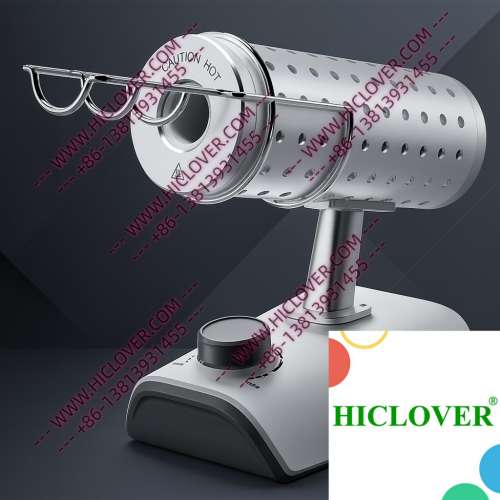
The functioning of the Micro Incinerator is grounded in the principles of rapid thermal sterilization. This device employs an enclosed ceramic tube that generates infrared heat to achieve high temperatures necessary for effective disinfection. Unlike traditional flame sterilizers that pose safety risks through open flames, the infrared sterilizer produces a focused and adjustable heat source that allows for rapid sterilization without the associated hazards of combustion.
With typical heating temperatures exceeding 800°C, contamination is effectively eradicated, making this device ideal for laboratory use where precision and safety are non-negotiable. The design also includes an automatic shut-off feature, ensuring that the sterilizer is energy-efficient and minimizing the risk of overheating.
Applications in Laboratory Settings
The application of portable loop sterilizers like the Micro Incinerator extends across various laboratory environments, including:
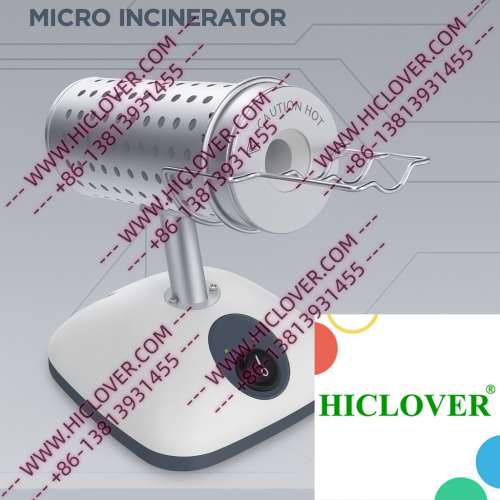
- Biosafety Cabinets: In BSL-2 and BSL-3 microbiology labs, where the handling of pathogenic microorganisms is critical, the infrared inoculating loop sterilizer serves as a clean-bench-safe option for sterilizing inoculation loops and needles without exposing the lab to open flames.
- Field Testing Labs: For researchers conducting field tests, portability is a crucial feature. The lightweight construction of the Micro Incinerator allows for easy transportation to remote locations where reliable sterilization methods are essential to prevent contamination.
- Teaching Labs: In university settings, the Micro Incinerator enhances safety during student training sessions by eliminating the risks associated with flames. Its simple operation also allows students to focus on learning laboratory practices without distraction.
Compliance and Environmental Considerations
The use of portable loop sterilizers is increasingly aligning with global standards for laboratory biosafety. According to WHO biosafety guidelines, laboratories must minimize risks associated with microbial contamination and ensure that all sterilization practices are compliant with regulatory standards.
In cleanroom environments, the absence of flames is particularly critical, as open flames can compromise air quality and introduce unwanted aerosols. The Micro Incinerator’s flame-free operation addresses this issue, making it an excellent choice for varying applications, including laboratory sterilization in cleanrooms.
Comparison of Micro Incinerator vs. Flame Burners
The following table highlights key differences between the Micro Incinerator and traditional flame sterilization methods:
| Feature | Micro Incinerator | Flame Burners |
|---|---|---|
| Heat Source | Infrared, enclosed | Open flame |
| Safety | Flame-free | Risk of burns and fire hazards |
| Energy Efficiency | Automatic shut-off | Continuous fuel burn |
| Portability | Highly portable | Less convenient for transport |
| Temperature Control | Precise control | Less control over flame |
FAQs About Portable Loop Sterilizers
1. What is the primary advantage of a Micro Incinerator over a traditional alcohol lamp?
The primary advantage lies in its flame-free operation, which enhances safety by eliminating fire hazards and providing rapid thermal sterilization with precision temperature control.
2. Are Micro Incinerators suitable for use in cleanrooms?
Yes, their design ensures no open flames, thereby maintaining air quality and compliance with cleanroom protocols.
3. How quickly can a Micro Incinerator sterilize instruments?
Most Micro Incinerators can achieve effective sterilization within seconds, significantly improving workflow efficiency.
4. Can Micro Incinerators be used outside a laboratory setting?
Yes, their portability makes them suitable for field testing and mobile laboratories.
5. What materials are used in the construction of a Micro Incinerator?
Typically, they feature a robust ceramic heating chamber designed to withstand high temperatures and ensure long-lasting performance.
Conclusion: Transforming Laboratory Sterilization
The Micro Incinerator or Infrared Inoculating Loop Sterilizer represents a significant advancement in sterilization technology, combining safety, efficiency, and regulatory compliance. As the landscape of laboratory practices continues to evolve, investing in such cutting-edge equipment is crucial for laboratories aiming to enhance their biosafety protocols. If you’re considering upgrading your laboratory sterilization solutions, reach out to us to explore our range of portable sterilizers designed to meet your needs.
Categories:
Tags: