
In modern laboratories, the need for effective sterilization methods is more crucial than ever. The challenge of ensuring that all tools and surfaces are free from contamination is paramount, especially in environments such as BSL-2 and BSL-3 laboratories. Traditional flame sterilizers, like Bunsen burners and alcohol lamps, can pose several risks, including the potential for aerosol generation and the presence of open flames in environments where flammable materials may be present. This has led to a growing demand for innovative solutions, such as the Micro Incinerator, also known as the Infrared Inoculating Loop Sterilizer, which facilitates rapid thermal sterilization while enhancing biosafety practices.
Technical Principles of Micro Incinerators
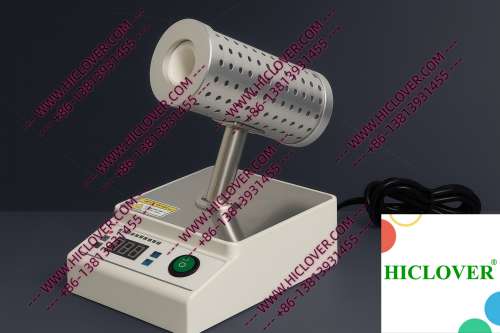
The Micro Incinerator utilizes an advanced infrared heating technology that provides uniform and consistent high-temperature disinfection. Unlike traditional flame sterilizers, it features a closed ceramic heating chamber that generates temperatures sufficient to achieve rapid sterilization of inoculating loops, needles, and other laboratory tools. The infrared heat not only provides efficient sterilization but also eliminates the risk of aerosol production, making it a safer choice for laboratory personnel.
This equipment is designed for durability and ease of use, allowing researchers to maintain a smooth workflow while adhering to best practices for contamination control. The ability to sterilize instruments without open flames makes it ideal for use in clean rooms and other sensitive environments.
Applications in Real Labs
1. Clinical Diagnostics Laboratories
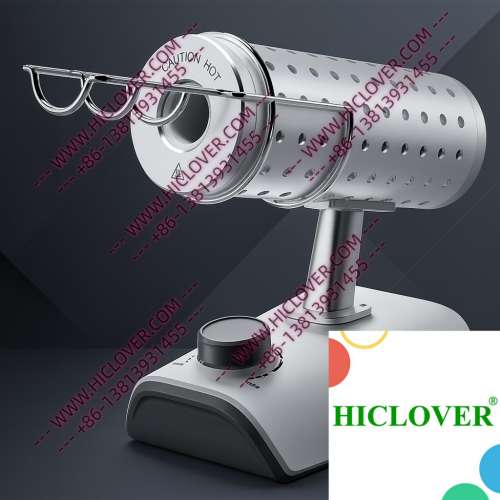
In clinical diagnostics, precision and sterility are critical. The Micro Incinerator is frequently used for sterilizing inoculating loops and needles in microbiological assays. When working in a biosafety cabinet, lab technicians can quickly sterilize tools between sample transfers, ensuring that cross-contamination does not compromise the integrity of the results. The infrared design ensures that sterilization is rapid, allowing for efficient operation without compromising safety.
2. University Teaching Labs
In academic settings, especially in university microbiology and biology courses, the Micro Incinerator serves as an essential teaching tool. Students can interact with the sterilizer in a controlled environment, learning proper sterilization techniques without the hazards associated with open flames. This educational aspect is crucial in preparing future scientists with the skills and knowledge to operate effectively in various lab environments.
Compliance and Environmental Concerns
Adhering to biosafety standards set forth by organizations such as the World Health Organization (WHO) is critical for laboratories across Mexico. The Micro Incinerator aligns with lab sterilization standards by providing a flame-free method of disinfection, reducing the risk of accidents associated with traditional flame sterilizers. This not only enhances lab safety but is also compliant with regulations that mandate control of flammable materials in clean rooms.
By utilizing a Micro Incinerator, laboratories can meet stringent safety standards while also contributing to environmental sustainability by minimizing the use of hazardous chemicals and practices associated with traditional sterilization methods.
Comparative Overview: Micro Incinerators vs. Flame Sterilizers
| Feature | Micro Incinerator | Flame Sterilizers |
|---|---|---|
| Heat Source | Infrared Heating | Open Flame |
| Contamination Control | Low aerosol generation | High aerosol risk |
| Safety | Safer for clean environments | Increased fire hazards |
| Ease of Use | User-friendly ceramic chamber | Requires skill for safe handling |
| Maintenance | Minimal | Regular maintenance required |
FAQs
- What is a Micro Incinerator used for?
A Micro Incinerator is primarily used for sterilizing inoculating loops and other laboratory tools through rapid thermal sterilization. - How does the Micro Incinerator improve laboratory safety?
By employing infrared heat, it minimizes aerosol generation and eliminates the risks associated with open flames. - Are Micro Incinerators compliant with WHO guidelines?
Yes, they meet specific lab sterilization standards required for biosafety and contamination control set by WHO. - Can the Micro Incinerator be used in clean rooms?
Definitely, its flame-free design makes it an excellent option for clean-room applications where hazardous materials are managed. - What are the advantages of using a Micro Incinerator over traditional flame sterilizers?
Advantages include reduced aerosol risk, increased safety, user-friendliness, and lower maintenance requirements.
Conclusion
The Micro Incinerator exemplifies how modern technology is addressing longstanding challenges in laboratory sterilization and biosafety. By investing in this innovative solution, laboratories in Mexico and beyond can enhance their operational efficiency and safety standards without the risks that come with traditional flame sterilization methods. Whether you are in clinical diagnostics, teaching labs, or engaged in field testing, the Micro Incinerator is an indispensable tool for achieving the highest levels of sanitation. For more information or to make a purchase, please contact us today!
Categories:
Tags: