
In laboratory settings worldwide, including Chile, biosafety challenges are a pressing concern. The need for effective sterilization of equipment, particularly in microbiology labs or during field testing, requires innovative solutions. Traditional sterilization methods, such as alcohol lamps and Bunsen burners, have notable limitations, including the risk of flame accidents and inadequate control of high-temperature disinfection. As a result, laboratory professionals are increasingly turning to advanced sterilization technologies like micro incinerators.
Understanding the Technical Principles of Micro Incineration
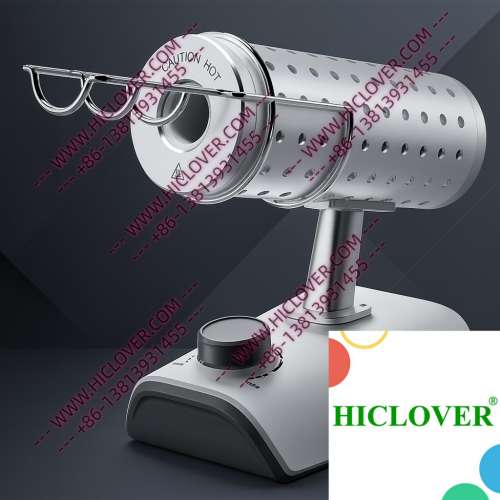
Micro incineration, specifically through devices like the Micro Incinerator or Infrared Inoculating Loop Sterilizer, operates on a fundamental principle of rapid thermal sterilization via infrared heat. This closed ceramic heating chamber emits direct infrared radiation, producing a uniform temperature ideal for efficient sterilization. The lack of open flames significantly reduces the risk of fire in sensitive laboratory environments and allows for aerosol-free handling of potentially hazardous materials.
The Configuration and Features of Micro Incinerators
- Infrared Technology: Ensures precise temperature control and rapid heating.
- Enclosed Ceramic Tube: Provides a safe environment for sterilization without exposing flames.
- Compact Design: Allows integration into both teaching and laboratory environments without occupying excessive space.
- Energy Efficiency: Consumes less energy compared to traditional flame-based devices.
- Elimination of open flames in clean rooms, reducing fire hazards.
- Adherence to strict regulations for biohazard waste management.
- Minimized environmental impact through energy-efficient operations.
The Micro Incinerator is not only a testament to advanced sterilization technology but also serves an essential role in promoting environmental sustainability in Chile’s laboratory practices. As the country seeks to balance economic growth with ecological considerations, adopting cleaner technologies aids in minimizing waste and enhancing operational efficiency.
Application Scenarios in Laboratory Settings
Micro incinerators are versatile tools that can adapt to various laboratory applications. Here are two key scenarios:
1. Biosafety Cabinets for Contamination Control
In BSL-2 and BSL-3 microbiology labs, stringent biosafety measures are crucial. The Micro Incinerator is ideal for these environments due to its flame-free operation, allowing safe sterilization of inoculating loops, spreaders, and other tools while minimizing the risk of contamination. Researchers can perform procedures within a biosafety cabinet, ensuring that any potential aerosols produced during handling are contained, thus protecting both the personnel and the integrity of experiments.
2. Field Testing Laboratories
Field testing often requires portable equipment that can withstand diverse environmental conditions. A Micro Incinerator’s compact size and robust design make it suitable for use in mobile labs. For instance, during environmental sampling or health assessments in remote locations, researchers can rely on micro incinerators for immediate sterilization of tools without the need for bulky equipment or combustible materials, which enhances biosecurity on-site.
Biosafety Compliance and Environmental Considerations
Adhering to World Health Organization (WHO) biosafety guidelines and lab sterilization standards is essential for protecting both human health and the environment. Utilizing micro incinerators contributes to significant advancements in compliance through:
In Chile, where laboratories are integral to health research and diagnostic purposes, implementing advanced sterilization technologies aligns with national efforts to promote sustainable practices in laboratories. This is particularly important as universities and research institutions move towards greener alternatives.
Micro Incinerator vs. Traditional Flame-Based Sterilizers
| Feature | Micro Incinerator | Flame Burners |
|---|---|---|
| Operation Type | Infrared heating | Open flame |
| Safety | Reduced fire hazard | Higher risk of accidents |
| Energy Efficiency | High | Variable |
| Contamination Control | Aerosol-free | Can produce aerosols |
| Ease of Use | User-friendly interface | Requires skill to operate |
Frequently Asked Questions
1. What are the main benefits of using a Micro Incinerator over a traditional flame sterilizer?
The Micro Incinerator provides safer operation, energy efficiency, targeted sterilization without flame exposure, and minimizes the risk of contamination through aerosol production.
2. Can a Micro Incinerator be utilized in field lab settings?
Yes, its compact design and efficiency make it ideal for mobile laboratories and field testing applications.
3. How does a Micro Incinerator comply with WHO biosafety standards?
The device supports biosafety by eliminating open flames, thus adhering to regulations designed for safe laboratory practices without compromising sterilization efficacy.
4. Are Micro Incinerators suitable for BSL-2 and BSL-3 labs?
Absolutely. They provide a safe, efficient method for sterilizing laboratory equipment in high-biological safety environments, reducing the risk of contamination.
5. What maintenance is required for a Micro Incinerator?
Regular cleaning of the ceramic heating chamber and ensuring the electronic components are in good condition are essential for long-term operation.
Conclusion
The economic and environmental advantages of micro incineration technologies, especially in countries like Chile, are paramount as laboratories seek to improve safety and operational efficiency. By transitioning to Micro Incinerators, institutions can enhance their sterilization practices, fulfill compliance with biosafety standards, and promote sustainable laboratory operations. Contact us today to learn more about how Micro Incinerators can elevate your laboratory workflow, or explore options for purchase tailored to your needs!
Categories:
Tags: